




 Let me guess: you started the new year off with a bang. You bought a pair of new kicks, revamped your Under Armour wardrobe and killed it at the gym last Monday. Fellow gym-goers smiled supportingly and you left with the sense your fitness goals would be fostered and encouraged by the collective energy in the place. You felt a renewed sense of commitment, empowerment and control.
And then Wednesday hit and your body had morphed into a useless, inflamed, miserable heap of sludge.
What gives?
My first assumption would be that you all-too-eagerly pushed your body too hard, too soon. My second answer would be that you’ve experienced Delayed Onset Muscle Soreness, or DOMS, which is a stylish term used to describe your body’s natural response to physical activity. The level and intensity can vary wildly: new movements, heavier weight loading, lactate threshold and even genetics can determine how much discomfort you feel post-exercise.
Unfortunately, because those who experience significant pain from their workouts tend to boast about it, others feel as though they are not working hard enough in comparison. DOMS has become almost a bragging right in the gym, provoking pain as the end-result for your efforts. I know plenty of people who continue to “chase” a soreness that may or may never materialize, ensuring risky behavior and unrealistic goals.
We know that muscle soreness presents less and less the more often we perform the same exercise, but we also know how important it is to progress and routinely change our workouts to prevent adaptation and fitness plateaus. What is interesting and up for discussion is how much our genetics play a role in our perception of muscle soreness. “People can be no-responders, low-responders or high-responders to soreness,” says Jon Mike, an exercise scientist at the University of New Mexico. “If you’re a high-responder, you will experience DOMS more acutely than someone who is a no- or low-responder when given the same training load.”
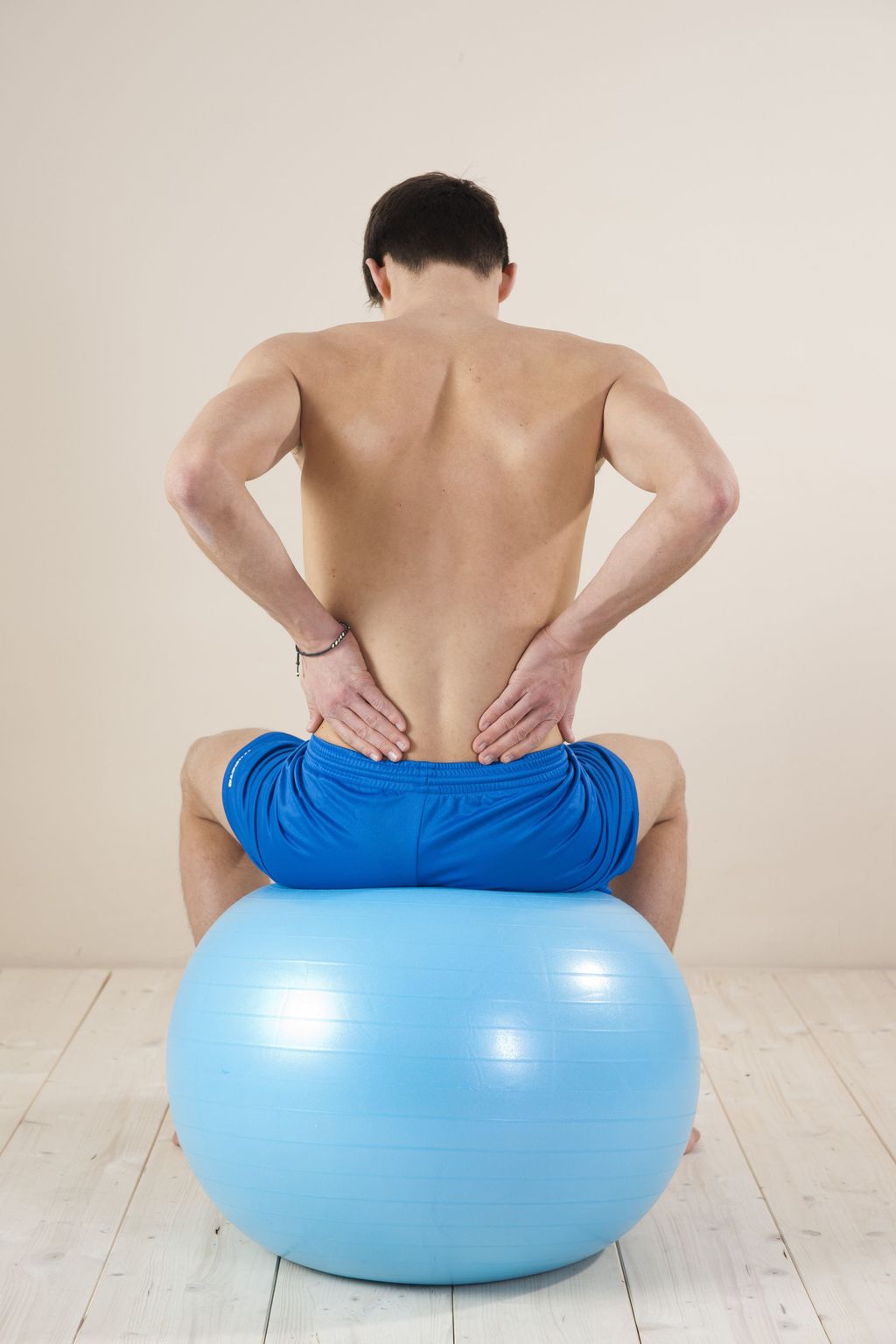 Most scientists agree that DOMS is a direct result of the healing processes in our muscles after trauma (exercise). Usually a person feels the effects within the first six to 24 hours, but there are many people (myself included) who, for one reason or another hit their peak around 48 hours after a tough workout.
What we haven’t figured out yet is how to prevent DOMS in the first place. Although some do enjoy the feeling, many use this side-effect as an excuse not to be active. Aside from the constant use of NSAIDS like ibuprofen, there isn’t much you can do to prevent this natural reaction. Stretching or foam rolling can help to increase circulation, possibly speeding up the process, as can massage. The worst thing you can do to sore muscles is sit on them. Get moving, take a walk or try out a new yoga class.
Your best prevention is to gradually enter into a new fitness program. Begin with respect for your body, learn how to listen to it, and work your way up from there. You’ll likely outlive the typical New Year’s “resolutioner” and achieve your fitness goals in a safe, effective way.
 Jodilyn Stuart is the Health & Sports Senior Staff Writer for 303 Magazine, owner of ModaBody Fitness, and has been a professional fitness geek since 1997. If you have questions, feel free to email at: Jodilyn@303Magazine.com
I most times don't feel it until around the 48 hour mark as well. Thanks for the great info and read Jodilyn!