



Living at 5,280 feet changes more than your stamina and baking times. It also affects how perfumes behave on your skin. In Denver, the combination of altitude, dry air, and shifting temperatures can make familiar fragrances smell and perform differently the moment you step outside.
High-altitude living poses a unique challenge for your senses. Fragrance can evaporate faster, and even your perception of smell may shift in thinner air.
That expensive bottle you bought on a coastal trip may reveal a completely different side once you spray it in the mountain climate. Understanding how elevation changes scent can really help you build a fragrance routine that lasts from a morning coffee in RiNo to a late dinner in Cherry Creek.
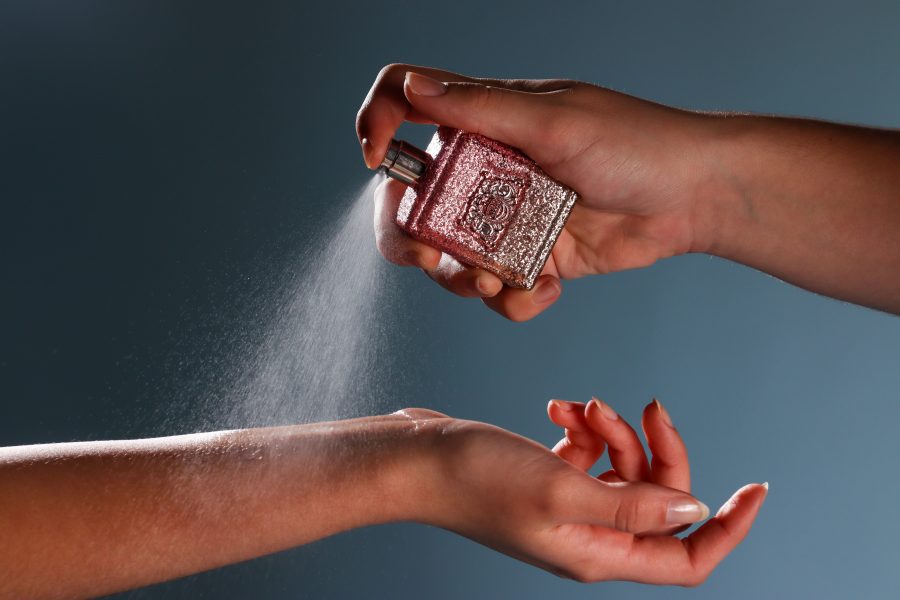
The Physics of Evaporation at Elevation
As one goes higher, the lower atmospheric pressure really enables molecules to disperse in the air much faster than at sea level. This implies that scents with powerful initial notes, such as citrus, fresh floral, and herbal, usually hit fast and fade before you finish your commute. Due to Colorado’s arid climate, the body may lack sufficient moisture for the scents to last longer.
Low humidity can lead to the rapid evaporation of fragrance molecules and moisture from the skin’s surface. This means one might be disappointed to find that a beautiful, multi-layered perfume has weakened after an hour. However, you can use other techniques to mitigate the problem.
First, one should adjust how they spray perfume by focusing on warm parts of the body, such as the wrists and neck. It is also advisable to moisturize your skin before spraying perfumes.
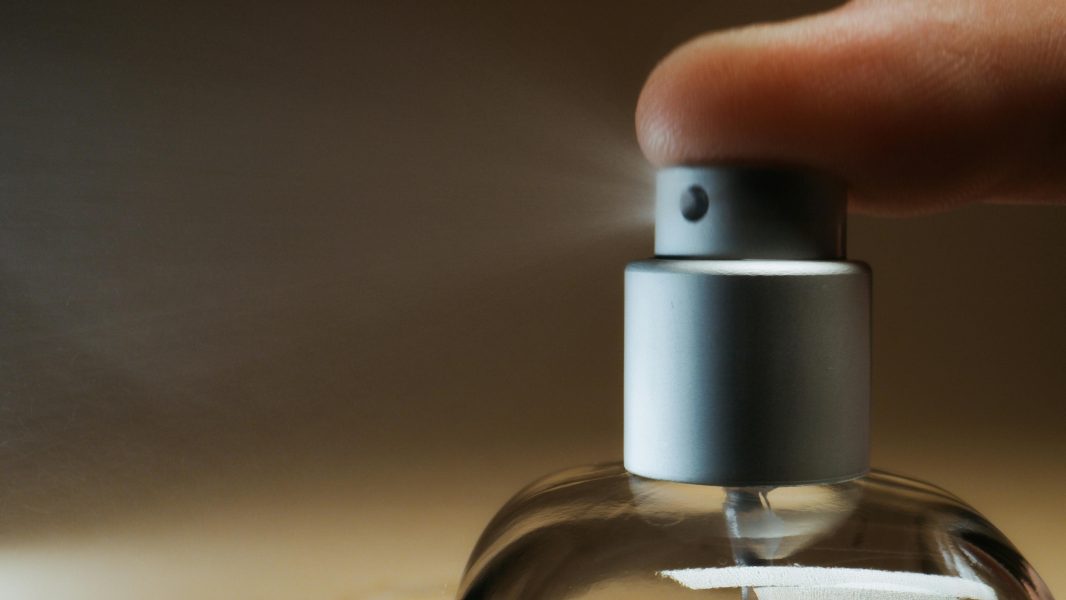
Finding Balance in a Dry Climate
Choosing the right concentration matters in Colorado’s changing weather. A light Eau de Cologne may feel refreshing during summer heat, but its higher alcohol content and lower oil concentration often make it less reliable in dry, elevated conditions.
Eau de Parfum formulas usually perform better because they contain more fragrance oils, which resist rapid evaporation.
During warmer months, many people look for curated collections when testing seasonal scents. If you want variety, browsing summer perfume gift sets can be a practical way to compare how different fragrance families respond to local heat and altitude without committing to a full bottle.
These collections often include aquatic, citrus and woody profiles, giving you a clearer sense of what lasts when humidity drops.
The Impact of Hydration on Your Scent
Your skin chemistry is the surface every fragrance works with, and in Denver, that surface is often dry. Perfume tends to perform better when the skin is moisturized and has natural oils. On dehydrated skin, fragrance oils may absorb too quickly or disappear faster than expected.
Using an unscented, oil-based moisturizer before spraying can help create a barrier that slows this process.
A few simple habits can also improve performance:
- Apply a thicker balm to pulse points before spraying to help trap scent.
- Layer with a matching body lotion or scented shower gel.
- Focus on hydrated areas such as the chest or back of the neck.
- Avoid rubbing wrists together, since friction and heat can break down delicate notes faster.
Why Base Notes Rule the Rockies
Considering that the top and heart notes may deteriorate more quickly at high altitudes, the base notes become the primary source of the fragrance experience. For example, sandalwood, vanilla, amber, and musk have large molecules that last longer.
Evaporation of these ingredients is slower, contributing to a sense of steadiness and depth in the scent throughout the day.
While the fresh, citrus opening of a scent might be appealing at first, it is more likely that the notes of cedar, patchouli, and woody elements stay with one during a walk around town. Therefore, it would be better to select fragrances with a deeper base, since the nature around Denver needs something more substantial.
#Sponsored