



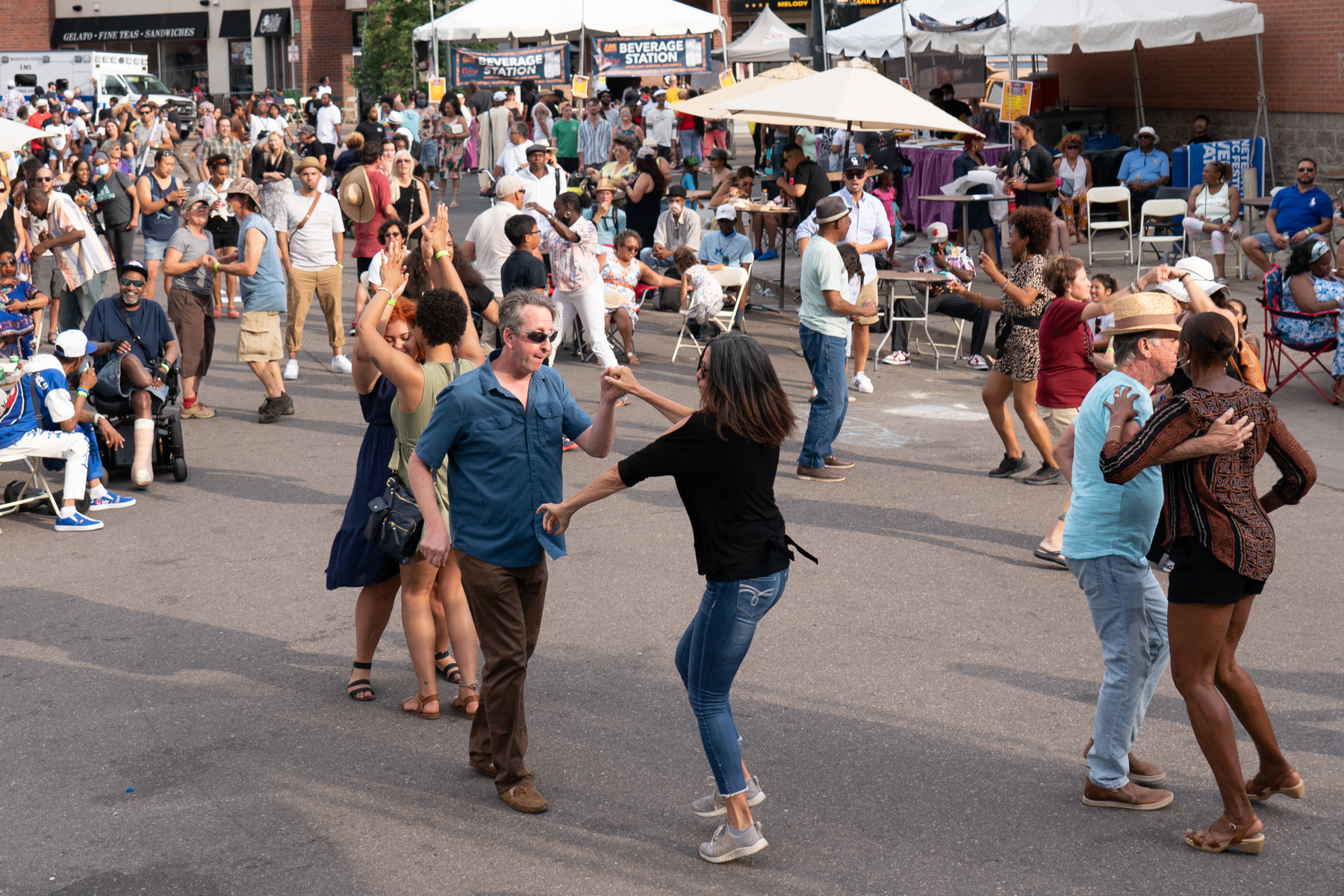
Denver’s Juneteenth Music Festival returns this Sunday, June 15th. The festival is a vibrant celebration of the diversity that makes this city so beautiful and it means a lot to a lot of people. It’s also a testament to resilience, having faced much hardship recently with the loss of the corporate sponsorship that has allowed it to recur each year since 2012. However, they have found a new partnership with Rocky Mountain Public Media and 104.7 The Drop. This partnership has allowed the festival to reconfigure itself and come back even stronger with legendary rapper Juvenile headlining. Amidst all the hate and turmoil that is rippling across America so visibly these days, Denver’s Juneteenth Music Festival is exactly what this city needs to unite us.
303 Magazine recently spoke with Norman Harris, one of the Juneteenth Music Festival’s organizers, about the festival’s history, what it means to so many, the music that’ll be featured and much more.
READ: Juneteenth Found Its Tune in Five Points
303 Magazine: First, can you tell me about Denver’s Juneteenth Music Festival’s origins? How did it first come about?
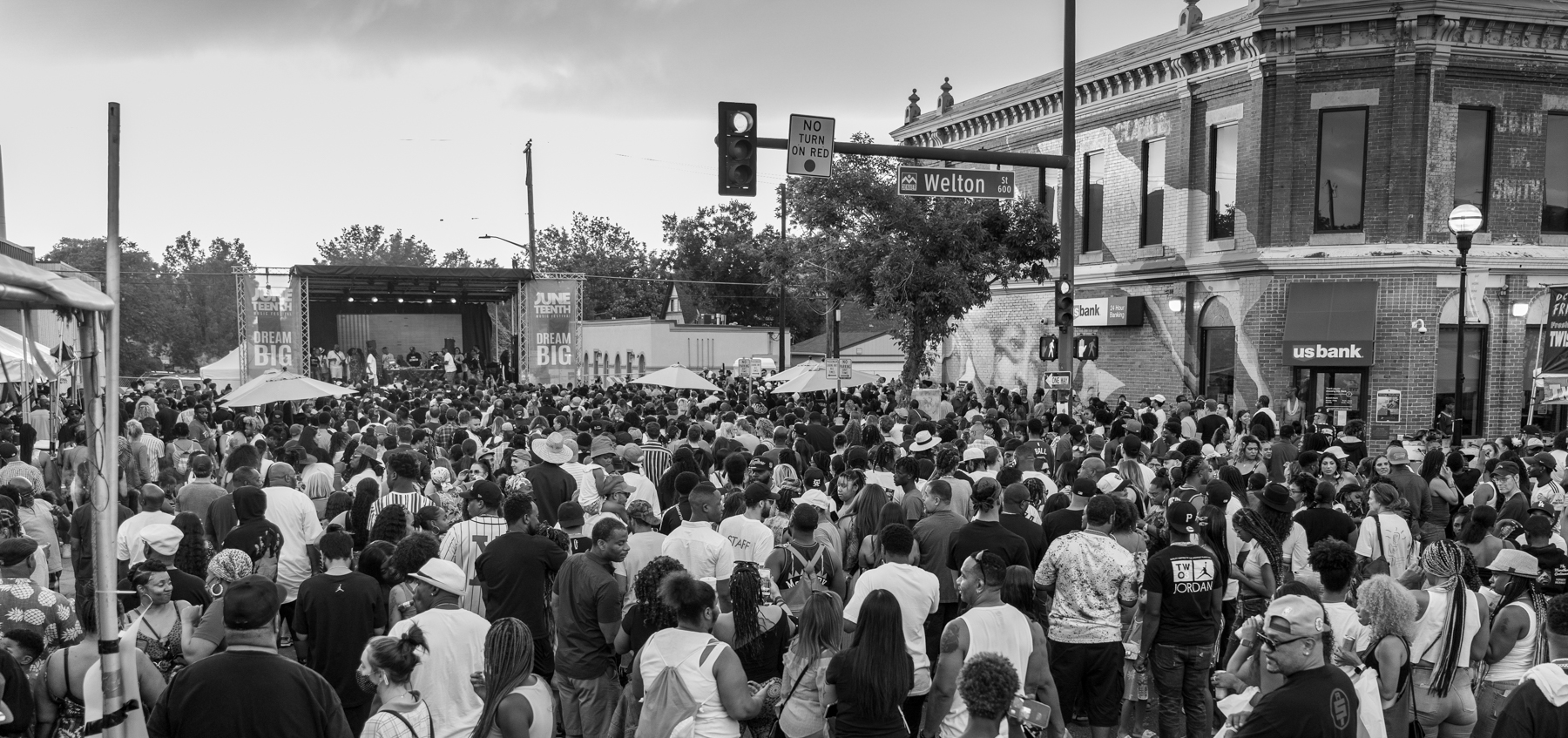
Norman Harris: Juneteenth Music Festival was born in 2012 as a rebranding of the Juneteenth celebration which has been occurring in the Historic Five Points Neighborhood on Welton Street since the 1960’s. I lead the effort. At the time, in the early 2010’s Juneteenth seemed to be an afterthought and not well attended. So along with keeping the tradition of the Juneteenth parade with vendors, our team transformed the celebration into a music festival with both local and national talent which included The Ohio Players in 2012. That year was exciting because it reacclimated our community with the celebration.
303: The festival has faced many challenges, but first, can we talk about its more joyous times? Can you tell me a little bit about some of your favorite memories of the festival? Can you also describe the impact you’ve seen it have on the city?
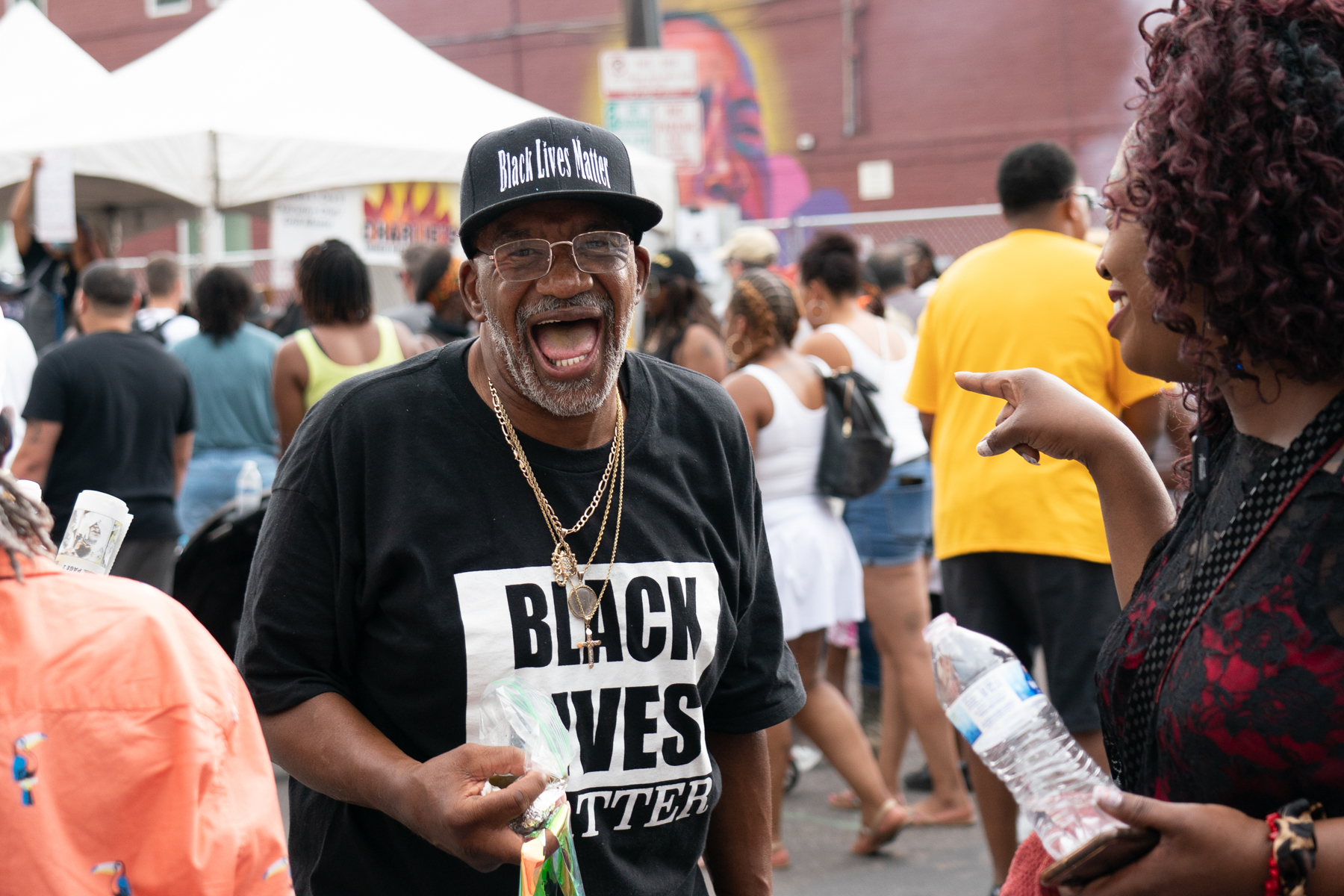
NH: The Juneteenth Music Festival has grown into a cultural anchor for the Five Points neighborhood—a place where our community gathers to celebrate freedom, resilience, and the vibrant legacy of Black culture in Denver. It’s more than just an event; it’s a homecoming.
One of my favorite memories will always be in 2012 when my grandfather, Norman Harris Sr. a lifelong community leader, led the parade. Seeing him honored in that way, walking down Welton Street with generations of family and friends watching, felt like a full-circle moment. And then in 2019, bringing Ashanti to headline the festival was unforgettable. The energy in the air, the crowd stretching down the corridor, people singing along—it was electric. It felt like we had bridged the past and the present.
The impact ripples far beyond the music. We’ve created space for economic empowerment, youth programming, small business exposure, and intergenerational connection. It’s a platform that elevates voices and builds community. That’s the heart of it all.
303: Can you tell me then about some of the more uncertain times? What was it like losing corporate sponsorship? How did you decide to move forward?
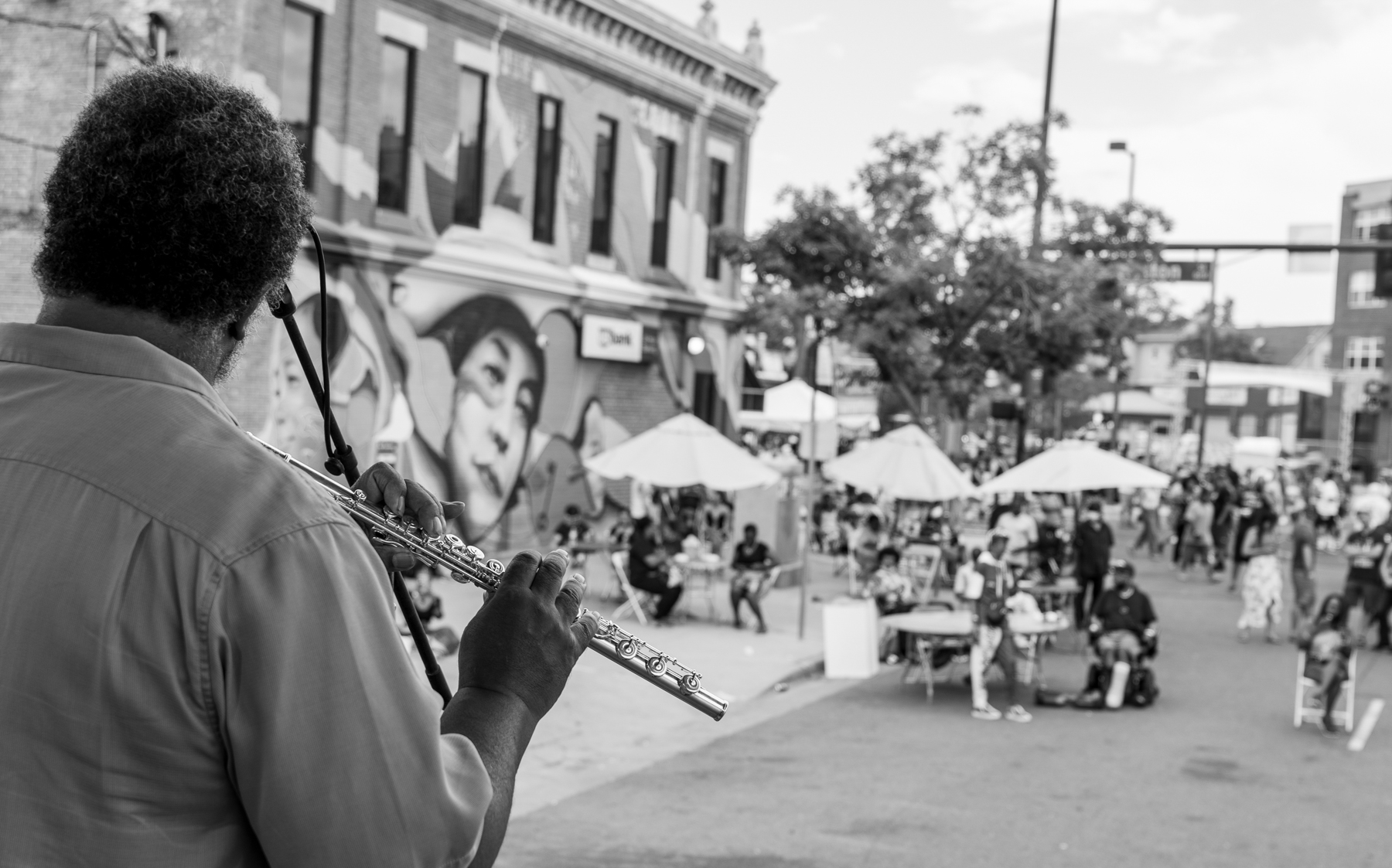
NH: Losing corporate sponsorships was tough—there’s no way around that. It created a lot of uncertainty and forced us to ask some hard questions about how we could move forward. But instead of letting it break our momentum, it made our team double down and get creative. We realized that if the institutions weren’t going to back us the way they used to, then we needed to turn to the people who’ve always shown up—our community.
So we asked for help. And what happened next was humbling: nearly 200 individuals stepped up and donated what they could to keep the Juneteenth Music Festival alive. That outpouring of support reminded us why we do this work. It reinforced that this festival belongs to the people—it always has. We’re deeply grateful, and that grassroots backing gave us the fuel to keep pushing forward.
303: Tell me then about the partnership with the 104.7 The Drop and Rocky Mountain Public Media. How did it come about?
NH: The foundation of the partnership really began with a friendship between Ayana (Contreras, VP of Radio for Rocky Mountain Public Media) and me. We connected through our shared passion for music, culture, and community—and that common ground became the intersection where this collaboration was born. From there, we started dreaming big.
It all started with a conversation—literally a big idea scribbled on a napkin. We knew that if we could bring our organizations together—JMF Corporation, 104.7 The Drop, and Rocky Mountain Public Media—we could create something that honored the legacy of Juneteenth while also pushing the culture forward. That vision is now coming to life in ways we couldn’t have imagined back then.
It’s been powerful to build something rooted in trust, aligned values, and a commitment to elevating Black voices in Colorado.
303: The festival is shifting from its previous Block Party style into a more traditional concert. Can you tell me about the change and what will be different this year?
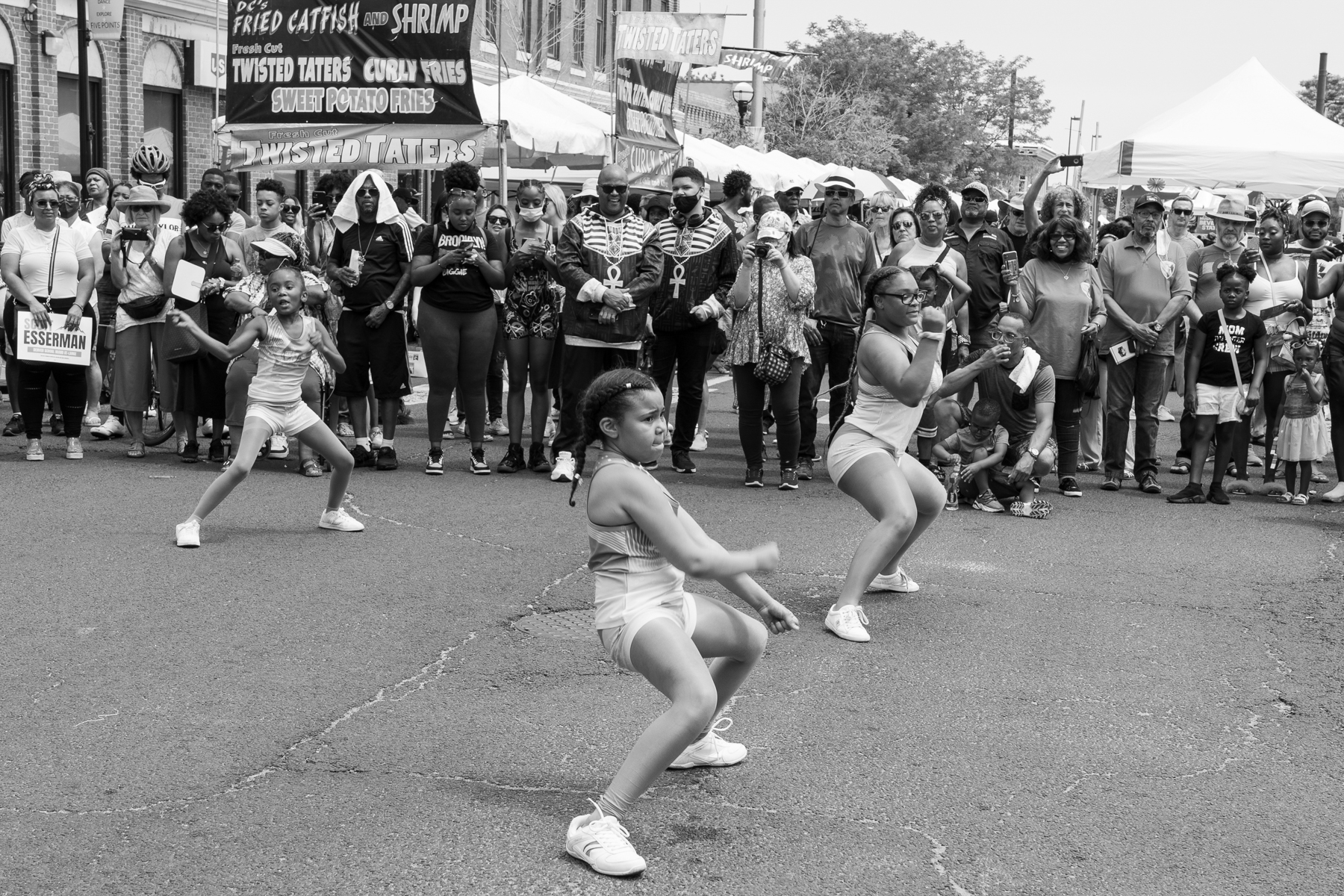
NH: The festival is still a big block party, with hundreds of vendors a youth zone and two performance stages. So there are not too many changes from previous years.
303: Let’s talk about Juvenile, one of the most influential artists in hip hop and an absolute legend. What does it mean to have him playing the festival?
NH: Having Juvenile headline the Juneteenth Music Festival is truly a dream come true and it wouldn’t have been possible without our partnership with The Drop. I’m beyond excited, not just as a fan, but as someone who understands the cultural weight he carries. Juvenile is an icon in urban music, and what’s special is that he resonates across generations. Whether you came up during the Cash Money era or discovered him through Verzuz or NPR’s Tiny Desk, his music hits home.
To have him performing in Five Points, on Juneteenth, is monumental. It’s a full-circle moment that honors the legacy of Southern hip hop while bringing that energy to the heart of Denver’s historic Black neighborhood. It’s not just a concert—it’s a celebration of culture, resilience, and joy.
303: Are there any other artists playing you’re excited about?
NH: Definitely. One band I’m super excited about is the Beasts of No Nation. I call the band’s leader Avery J a 2025 version of George Clinton. Its a 10 piece band that to me defines the term “Urban Alternative.” I can’t wait to see them perform.
Can you just tell me a little bit about what you love about the festival? What does it mean to you personally?
NH: What I love most about the Juneteenth Music Festival is that we’ve been able to create something that truly brings our community together. Year after year, we see people from all walks of life—elders who’ve been part of Five Points for generations, young people discovering the culture for the first time, families, artists, entrepreneurs—all coming together in the name of freedom and Black excellence. That’s powerful.
Personally, it means everything to me. This isn’t just an event—it’s a reflection of our history, our struggle, and our joy. It’s about honoring those who came before us while creating space for the next generation to lead. I’m proud that our team has helped shape the way Juneteenth is celebrated, not just here in Denver, but as part of a growing national conversation. To play a role in that, and to do it in the neighborhood I love, is one of the greatest honors of my life.
RSVP to the 2025 iteration of the Juneteenth Music Festival here!