



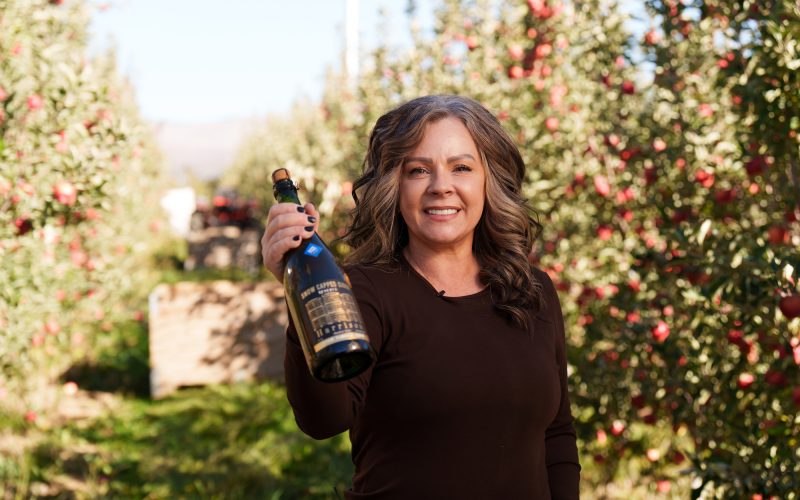
If you think cider is just sweet, fizzy apple juice, Kari Williams wants a word with you. She’s the force behind Snow Capped Cider, a fiercely ambitious operation in Cedaredge, Colorado, where apples grow at over 6,000 feet and cider is treated with the same reverence as fine wine.
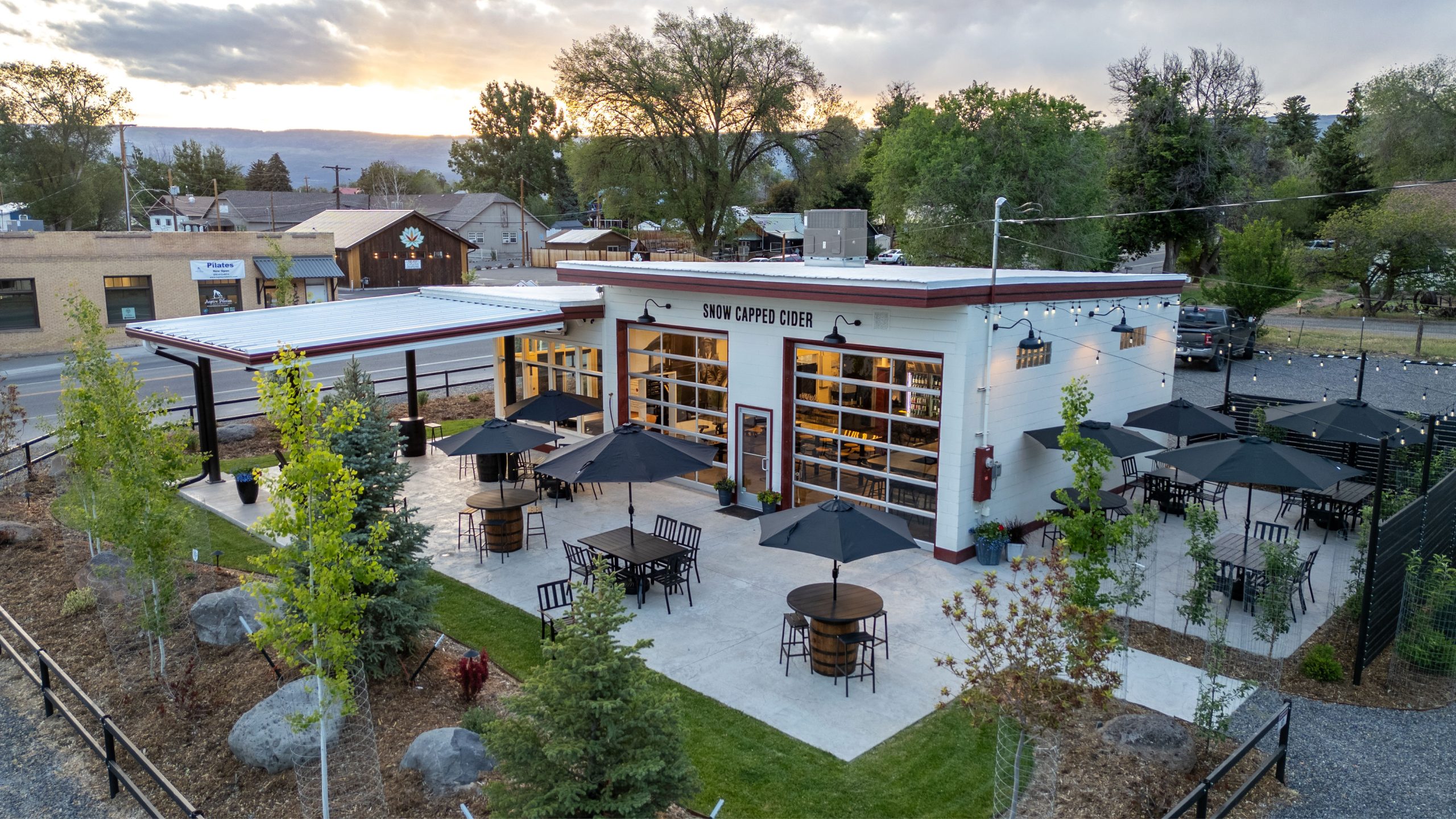
After 12 years of crafting award-winning ciders from estate-grown fruit, Williams opened her first taproom last summer—and she did it in style, renovating a 1940s gas station. “My husband remembered it from when he was a kid,” Williams said. “It was just a dirt lot. Restoring it really transformed the town.”
READ: Enjoy Local Cider at Colorado’s Midsize Cidermaker of the Year
Now, cider lovers from Denver and surrounding cities and states travel to Cedaredge to sip her small-batch creations, explore curated cider flights and dive deep into the stories behind each glass. “Some visitors had never even been over the Grand Mesa before,” Williams said. “They come for the cider, but they leave amazed by the beauty of the Western Slope. We send them to Paonia to try great wine and to local farms and we help them fall in love with the whole region.”
Inside the taproom, education is front and center. Williams and her team guide visitors through heritage varietals, terroir and fermentation like sommeliers. “We carry 54, soon to be 64, bottled ciders from around the world—French, English and early American. We also do wine and cider blends and barrel-aged flights and every week we highlight different styles. It’s all about helping people understand what cider can be,” Williams said. The space is rich with history from tasting notes on the walls, family photos and even antique trucks from the orchard.
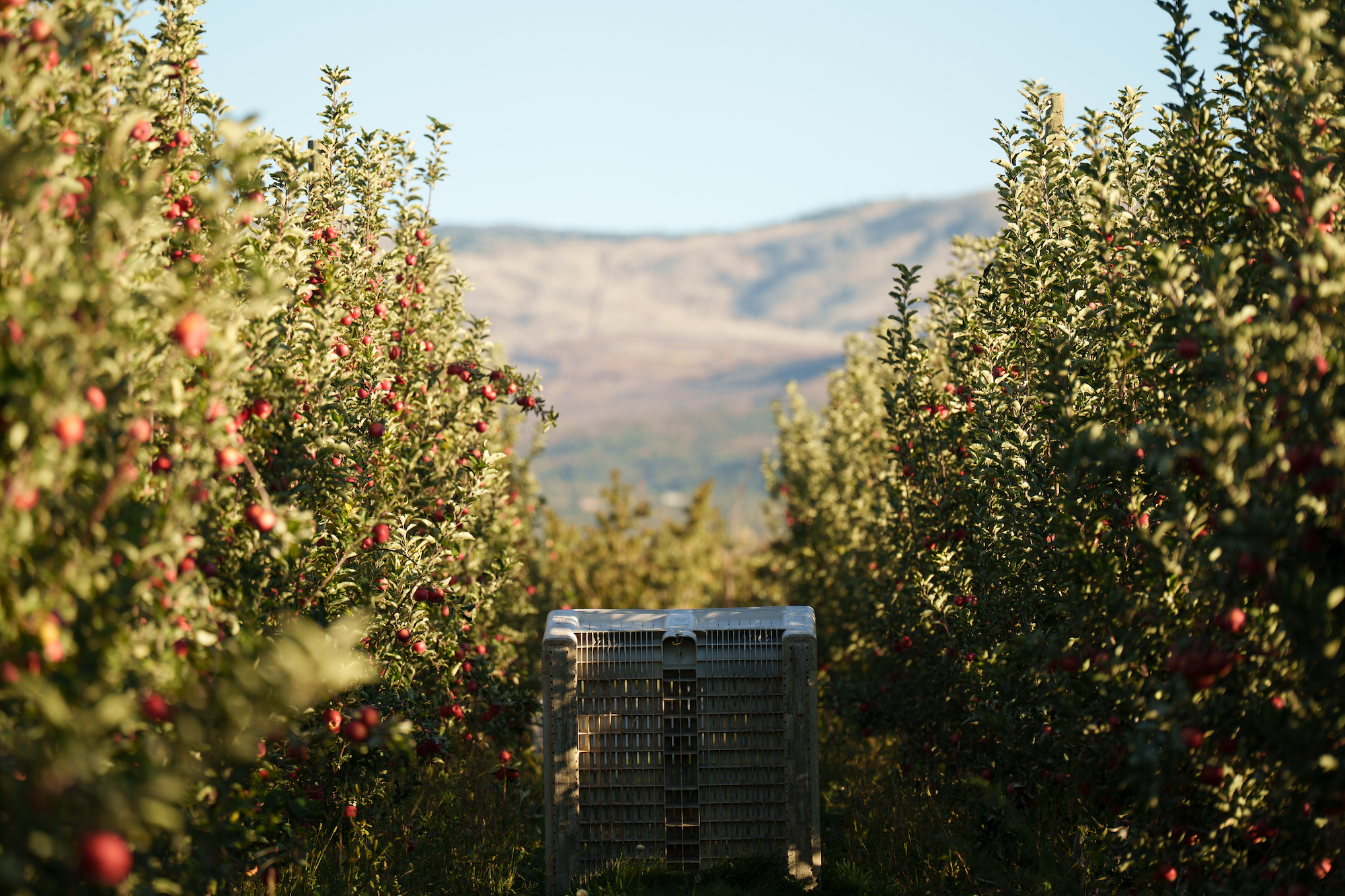
The fruit, though, is the heart of everything, and it’s extraordinary. Williams grows apples at some of the highest elevations in the Northern Hemisphere, in volcanic soil, with pure snowmelt irrigation and sun-soaked UV exposure. “Stress creates flavor,” she explains. “Frost, hail, extreme weather—it forces the trees to produce more sugar and acid, and that’s what makes our fruit so juicy and complex.”
Cider, for her, began not as a business plan, but as a curiosity. “We were already growing heirloom fruit. We had extra land and figured we’d plant some cider apples. If it turned into something, great. If not, we’d pull them out.”
At first, she wasn’t even making cider; she was just growing apples. But as the years passed, Williams became enamored with what they could become.
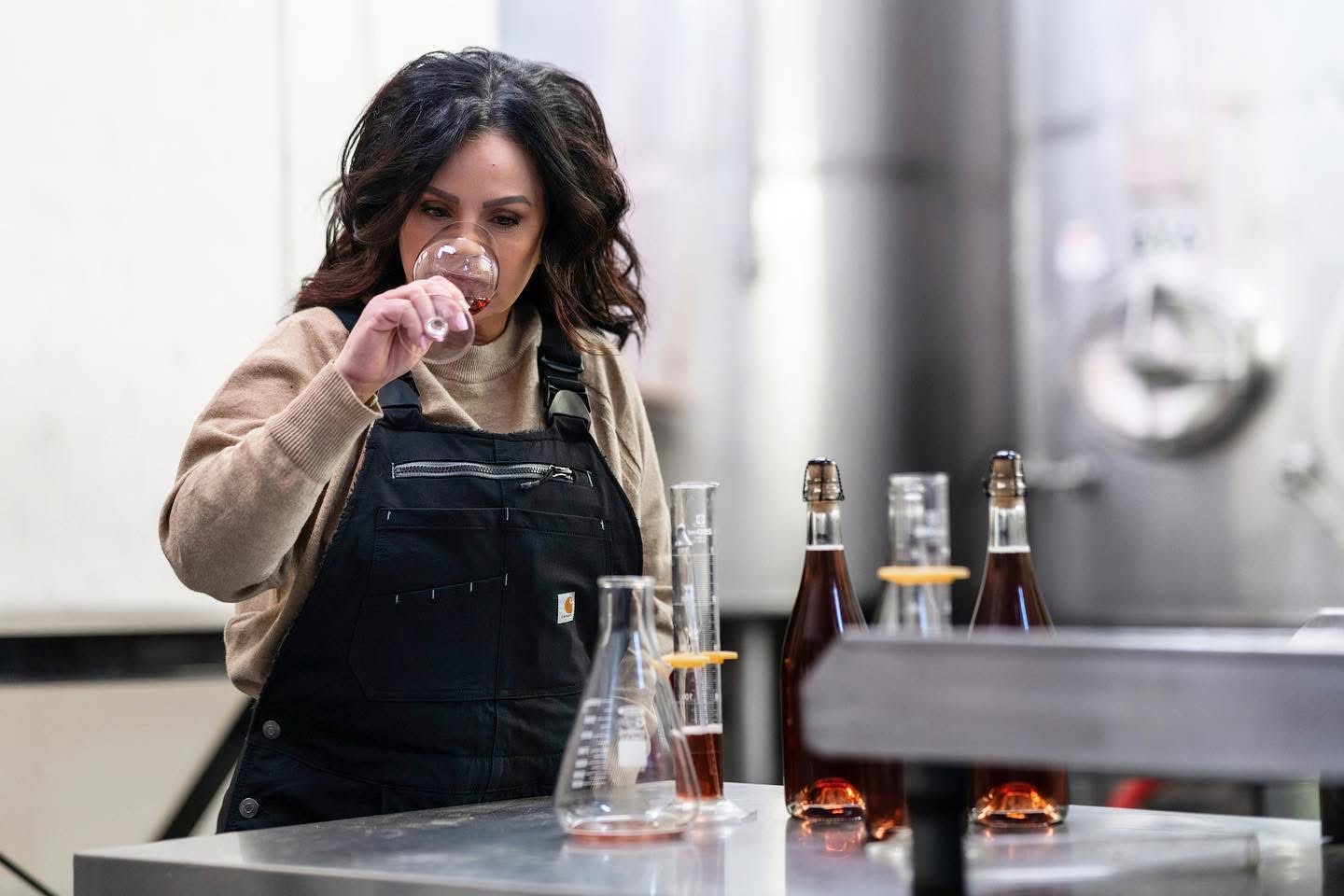
Today, she focuses on single-varietal and heritage ciders, with apples like the Kingston Black and the Harrison, which are rare, high-tannin fruits that have been grown for centuries. “Some of the apples I use aren’t even edible. They’re grown just for cider. These are the kinds of apples George Washington and Thomas Jefferson grew, that’s the legacy we’re preserving.”
That level of craftsmanship extends to every corner of the operation. The cidery shares a building with her family’s fruit-packing facility, where bins of unsold culinary apples are sorted and juiced. “Nothing goes to waste,” Williams said. “That’s how I built this business. Using what we had. I didn’t pay for the fruit, and I used it to experiment, to learn, to grow.”
Despite producing at an industrial scale, Williams insists on doing things the hard (and right) way. She juices and ferments everything onsite. She never buys imported juice. She doesn’t cut corners, even if it means not paying herself. “We’re zero debt,” Williams said. “I don’t do this for the money. I do it because I love it. I believe in it.”
That devotion shows in the range of styles she produces: dry, sweet, botanical, fruit-infused, rosé made from red-fleshed apples. She even crafts traditional perry—real fermented pear cider made from rare, non-edible pears she grows herself. “Most canned pear ciders are just apple juice with pear flavoring,” Williams said. “This is the real thing.”
Some of her finest ciders now come in cans, a bold choice in a market that often equates aluminum with mediocrity. “People told me not to do it,” she laughs. “But I wanted to show that a can could deliver a world-class experience.” Her canned Kingston Black—a dry, single-varietal cider—won Best in Class and holds its own against the finest bottles in the world. Among its many accolades Snow Capped is also celebrating its recent win as mid-size producers of the year, an award they won in 2024 from Glint Cap International Cider and Perry.
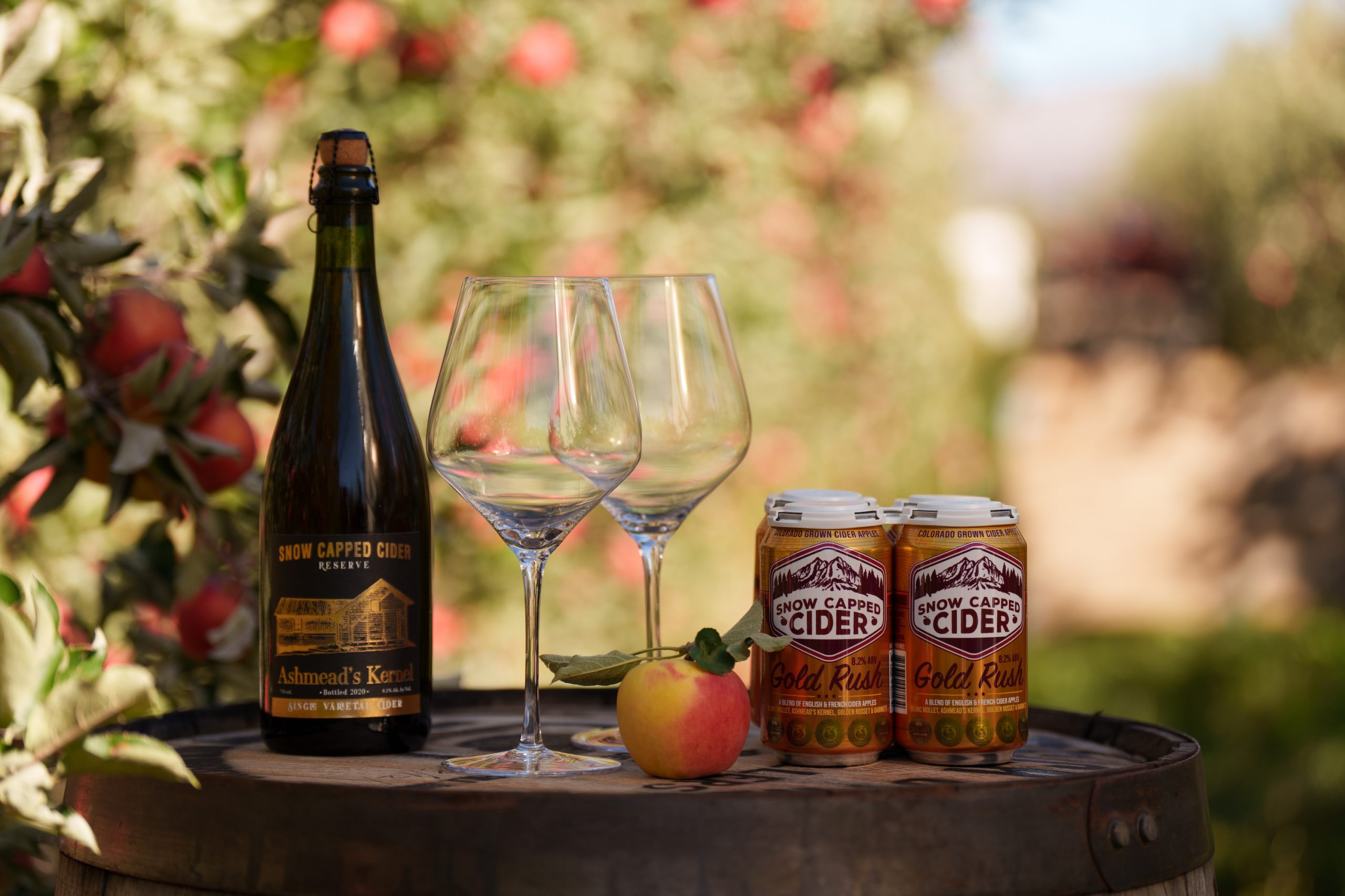
You can find Snow Capped Cider Co. cans at Whole Foods, Safeway, and specialty liquor stores across Denver, but the limited-edition bottles are much harder to track down. That’s why Snow Capped Cider recently launched the Snow Capped Cider Club, giving members early access to exclusive releases and rare small-batch ciders you can’t get anywhere else.
Still, the best way to experience it all is at the source. Each month, Williams hosts a 21-seat Maker Dinner Series in the taproom, collaborating with local chefs and winemakers to pair cider and wine with ingredients like heirloom Fremont beans or black raspberries from nearby Hotchkiss. “It’s intimate, immersive,” Williams said. “We show slides and tell the story behind each course. It’s not just what you’re tasting, but who grew it and where it came from. It’s about connection.”
At its core, that’s what Williams is building: not just a cidery, but a deeper appreciation for what real cider and agriculture can be. “My mission is to keep farming alive, to support Colorado makers and to educate people,” Williams said. “Most people don’t know the difference between a culinary apple and a cider apple. I want to change that.”
For all the success, she still talks like someone just getting started—driven by curiosity, intuition and love for the land. “Honestly, it feels like a calling,” Williams said. “The apples are telling me what they want to be. I’m just here to listen.”
Snow Capped Cider Co. Taproom is located at 105 Grand Mesa Dr., Cedaredge. Its summer hours are Thursday – Saturday 1:00 p.m. – 9:00 p.m., Sunday 12:00 p.m. – 5:00 p.m.
All photography courtesy of Snow Capped Cider
