



At first glance, the pair leading the team at Arc Thrift Store may seem like they’d have little in common.
Maggie Scivicque, the Vice President of Marketing and Corporate Social Responsibility, is the smiling face (and podcast host) for the operation. During our time together, she wove personal anecdotes about thrifting in her youth between heartwarming details of Arc’s history.
Then, there’s Marty Schmitt, the Vice President of Operations: a gruff, no-nonsense straight shooter — or so you’d think. His low-slung baseball cap can’t quite hide the fire behind his eyes, and his well-loved Harley Davidson zip-up only half-masks the soft heart guiding Arc’s mission.
What an untrained eye might not see, however, is that the leaders behind the scenes at Arc Thrift Stores are a well-matched team of visionaries — and they’ve been leading Colorado’s sustainability charge for the better part of two decades.
Founded in 1968 by a group of parents, Arc Thrift Stores began as a grassroots effort to support children with intellectual and developmental disabilities and fill the gaps their communities couldn’t. Since then, Arc has grown into 37-store operation that, with a recent opening in Albuqerque, just became multi-state.
And they did it all without losing any of its heart.
With Earth Day around the corner, — and Mother Earth nearly on life support — Schmitt and Scivique gave 303 Magazine a behind-the-scenes look at Colorado’s home thrift store chain. And while they said no to putting a vending machine at the Aurora location (sorry y’all, I tried), the pair shared the underrated ways Arc is pushing for sustainability, championing growth and redefining what it means to be a mission-driven business.
Arc Thrift Store’s Real Sustainability Secret Is Investing in People


For Marty Schmitt, sustainability isn’t just about clothing and household goods. It’s about people.
Years ago, Schmitt’s battle with alcoholism cost him his job, his freedom and nearly his future. With a criminal record and community service to complete, few places would give a violent felon a chance — until Arc said yes.
“I started doing community service, and a year later, the manager asked me if I wanted a job,” Schmitt shared. “My wife said, ‘You need a freaking job. Something, dude.’ So I said, ‘whatever.’”
That “whatever” turned into so much more. Schmitt immersed himself in every role within the store while slowly rebuilding his life. Now, he’s the Vice President of Operations, and in Scivicque’s admiring words, “runs the whole damn warehouse.”
In his role, Schimitt has made it his mission to hire people who have been overlooked by society: felons, addicts, those experiencing homelessness – and his department puts up statistics rarely heard in any industry.
“My turnover is zero. My workers comp is zero. My accidents are zero. In our trucking department, our at-fault accidents are zero. Those are the kind of numbers that are really not heard of. But it comes from the appreciation for people who nobody else would give a chance to,” said Schmitt.
Schmitt’s mission isn’t just admirable: it’s working and the numbers speak for themselves. Every person in Schmitt’s warehouse has been there for at least three years, an extraordinary feat in an industry where turnover is often considered unavoidable. While warehouses across the country cycle through underpaid, undertrained staff, Schmitt has built a team that stays – some for over a decade – because they want to.

From the stoic truck driver with smile lines to the online team working in the sensory-friendly environment (which Arc custom built as one of the nation’s largest employers of individuals with intellectual and developmental disabilities), everyone we encountered in Arc’s warehouse base seemed to be equipped, almost naturally, with a positive attitude.
That workplace satisfaction comes from a communication-heavy management style — that actually sees people as people: “It takes more communication. You’ve got to be open to, ‘Hey boss, I got a problem.’ It may not seem important to the company or anybody else, but if it’s important to him, it’s important to me,” Schmitt shared.
Schmitt’s not shy about calling out the system, either. He’s spoken at the Capitol alongside Governor Jared Polis and Attorney General Phil Weiser to advocate for second chances and criminal justice reform.
“I believe that everybody makes mistakes, and everybody can make amends and come out the other side,” he says. “I do believe in incarceration, and I do believe in the death penalty. But I also believe that it depends on the situation. And nobody spends time to figure out the situation. That’s the problem.”
So, just as Arc Thrift Stores extend the life of consumer goods, they’re similarly committed to helping people who society might have otherwise thrown away get a second shot. Schmitt’s model is proof that when you trust people who’ve been written off and support them with real leadership, you can build something that lasts.
Only 50% Of Their Donations Sell – But That Doesn’t Mean The Rest Is Thrown Away
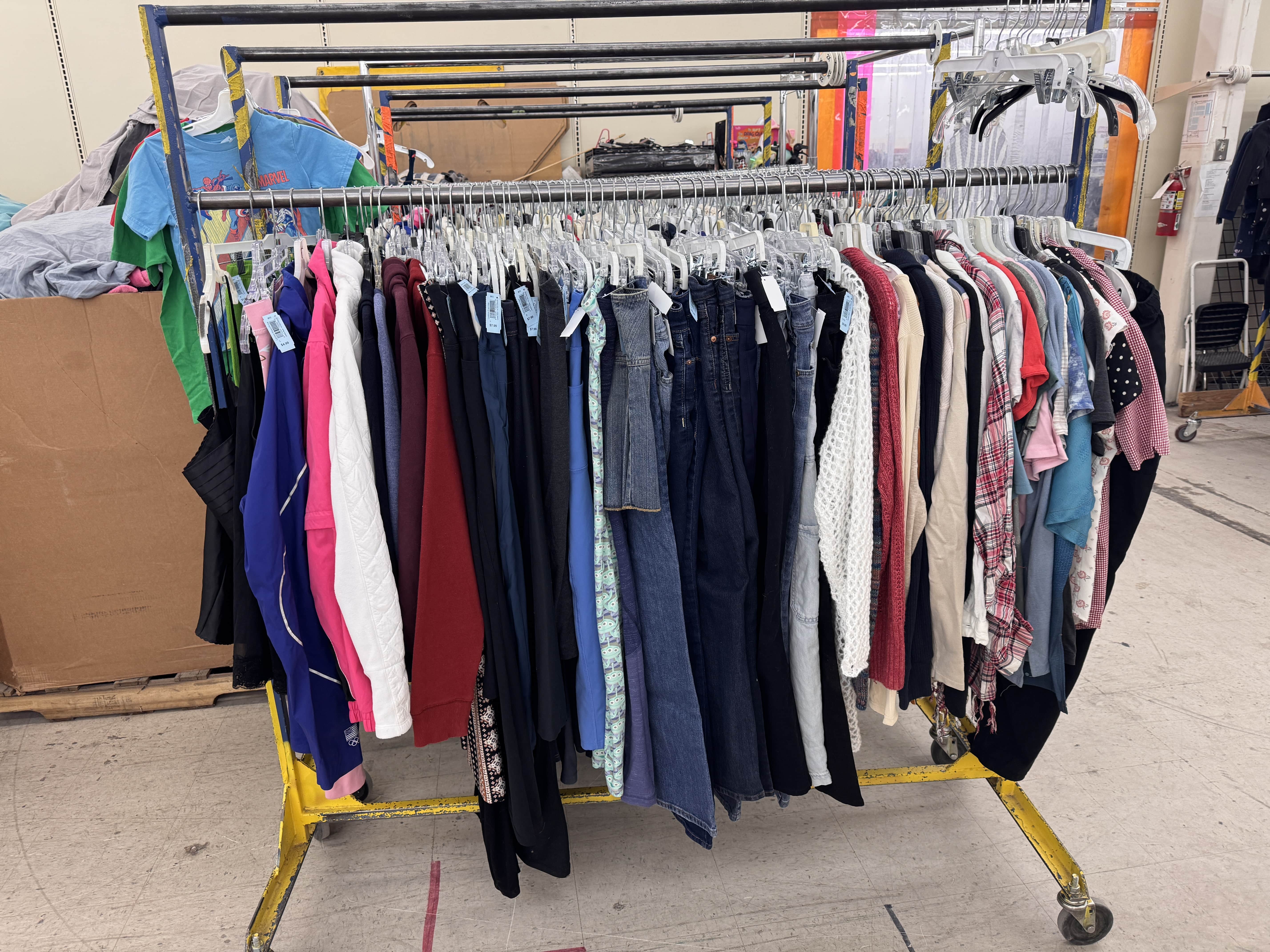
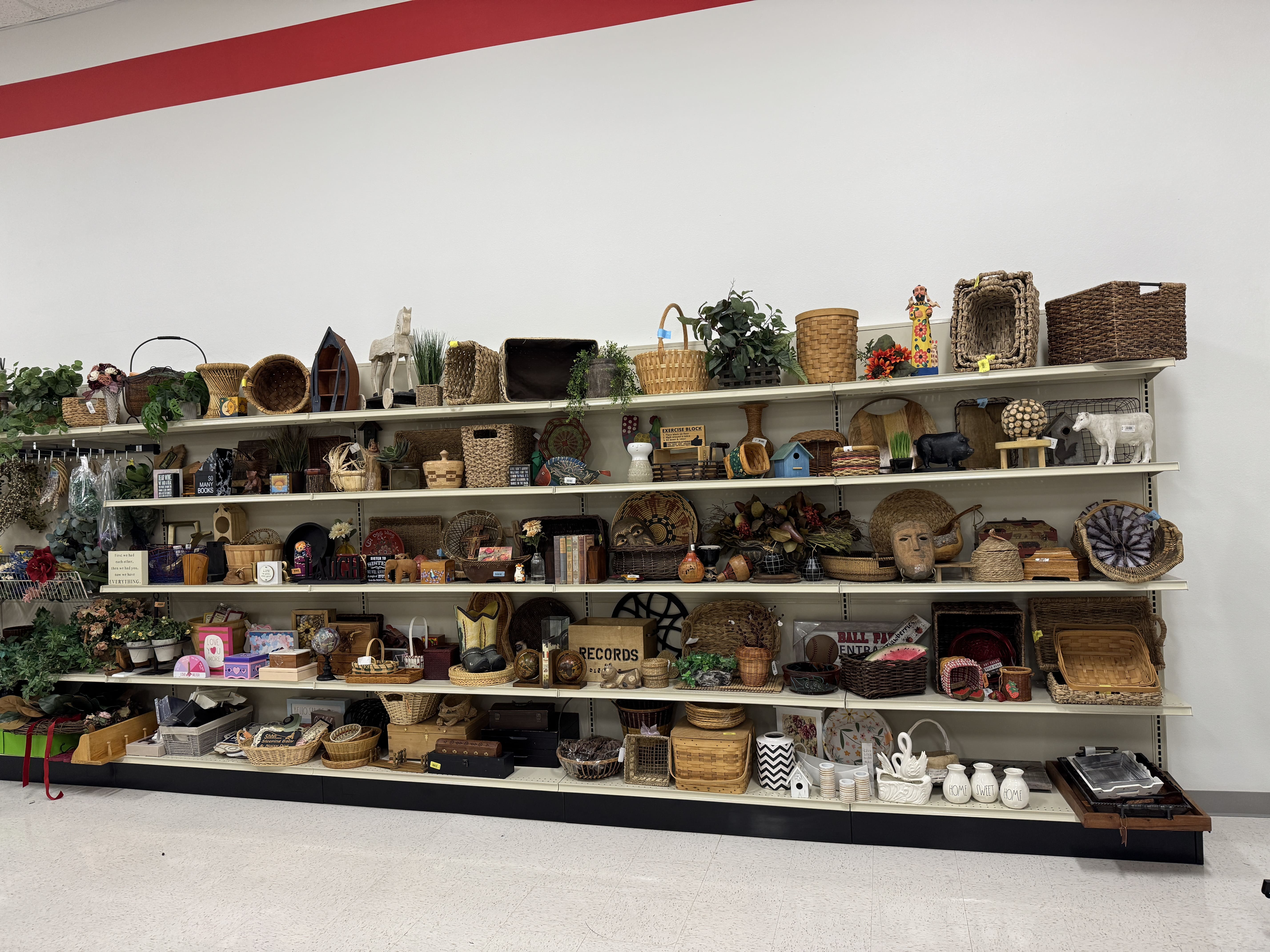
On average, Arc Thrift Stores process over 100 million pounds of donated goods each year. Of that, 50% finds a second life on the sales floor, extending the life of clothes and household items and keeping them out of landfills. After five weeks of rotation, the unsold goods are removed from the sales floor. Most of these goods (about 40% of donations) enter a highly sustainable recycling system. The remaining 10% may end up in the landfill, but only after all other options have been explored.
This elaborate process starts with one small but powerful act: choosing to donate rather than throw something away. From that one small decision, a massive ripple effect begins to take shape that ultimately protects our planet and supports global communities.
Under Schmitt’s leadership, ARC’s recycling program has become a model of ethical and innovative sustainability. The company works around the clock to establish international partnerships with vetted brokers, ensuring that the products sent abroad are processed responsibly and ethically.
“To find countries that ethically recycle and don’t have giant landfills is a full-time job, and that’s something we hadn’t done before,” said Maggie Scivicque, VP of Marketing and Corporate Social Responsibility. “Marty could be up in the middle of the night negotiating with a broker, trying to make sure that he’s working with countries who don’t have improper labor practices for kids, huge landfills, or doing bad things with the products.”
Instead of allowing products to be dumped into overflowing landfills, Arc’s textiles are sent to countries such as India, South Africa, Pakistan, China and Mexico, where they are carefully repurposed into new items. Clothing is broken down and transformed into new garments; shoes are refurbished and sold in smaller markets; and plastic is carefully sorted to send to specialized recyclers. Meanwhile, materials like glass, metal and e-waste are recycled locally in Colorado, contributing to sustainable initiatives within the state.
As such, virtually every material is given a second chance before landfill is ever considered.
No, Arc Thrift Store Doesn’t Relocate Your Donations (Or Sell Them Online)
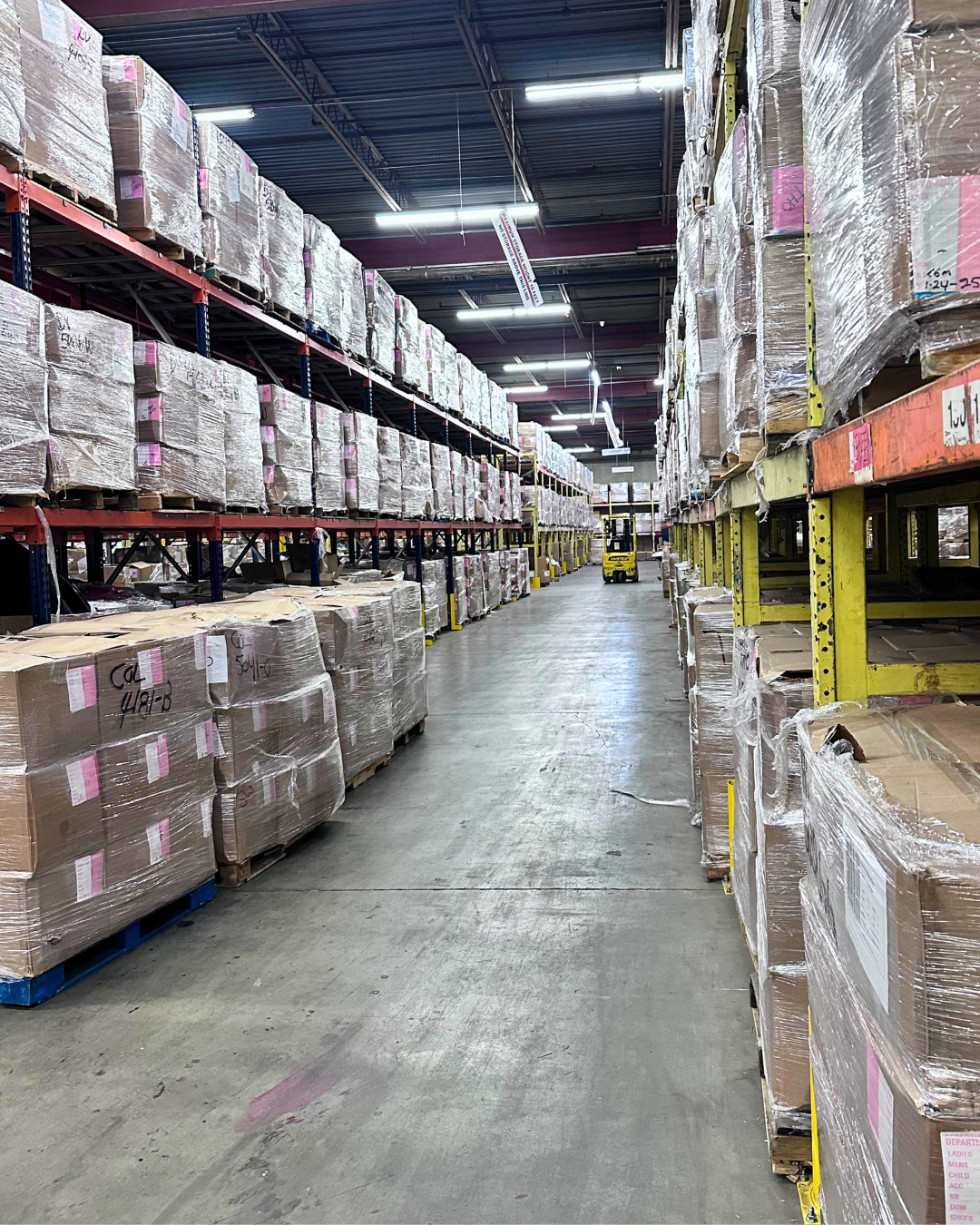
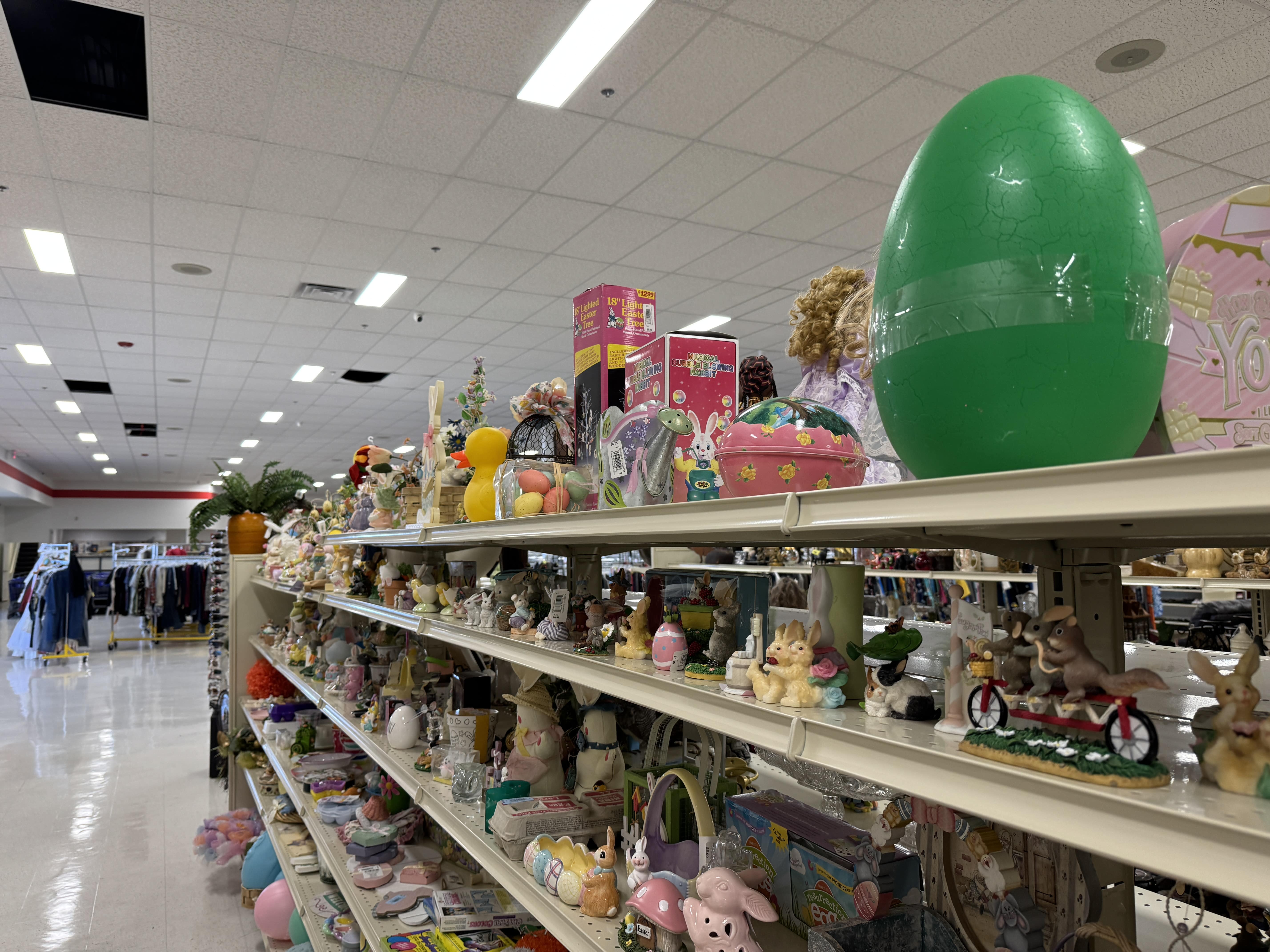
In a thrift community as prominent as Colorado’s, there’s no shortage of conspiracy theories. But, as far as Arc is concerned, we can put some of these rumors to rest.
Perhaps the biggest misconception is that Arc’s team cherry-picks high-value items to sell online. In an era where many resale chains focus on profit, ARC’s goal is simple: to rehome donated goods and prolong their life (not flip them for top dollar).
“The biggest myth about Arc Thrift is that we research each item and price high on purpose,” Scivicque laughingly shared. “We don’t have time for that! Our goal is to move the most product and get fresh items out there.”
By thoroughly training their sorting team, Arc Thrift’s priority remains rooted in sustainability, prioritizing accessible secondhand shopping to prolong each piece’s life as long as possible.
Secondly, donations aren’t redistributed based on zip code demographics. All sorting happens at the store where donations are received — another intentional move proving their commitment to sustainability is the real deal.
READ: Thrifter’s Guide: The 8 Best Arc Locations In Denver
“We don’t move from store to store,” said Scivicque. “It’s bad for your carbon footprint. Terrible for mileage. If it doesn’t sell at one store, it’s not selling in another store. That is short-sighted thinking.”
Instead, ARC’s team focuses on timing, not location. They store seasonal donations in the warehouse until they’ll have the best chance of finding a second life (think holiday decor or bathing suits). That way, the best items stay out of landfills and land on the sales floor when people actually want them.
With 36 stores, 15 donation stations and warehouses all over Colorado, ARC’s model is defined just as much by what it avoids as what it does differently. No hoarding, no online resale, no redistribution based on wealth — just a transparent system built to serve people and the planet.
They’re Happy To Be Here (And They’ve Got Big Plans For The Future)

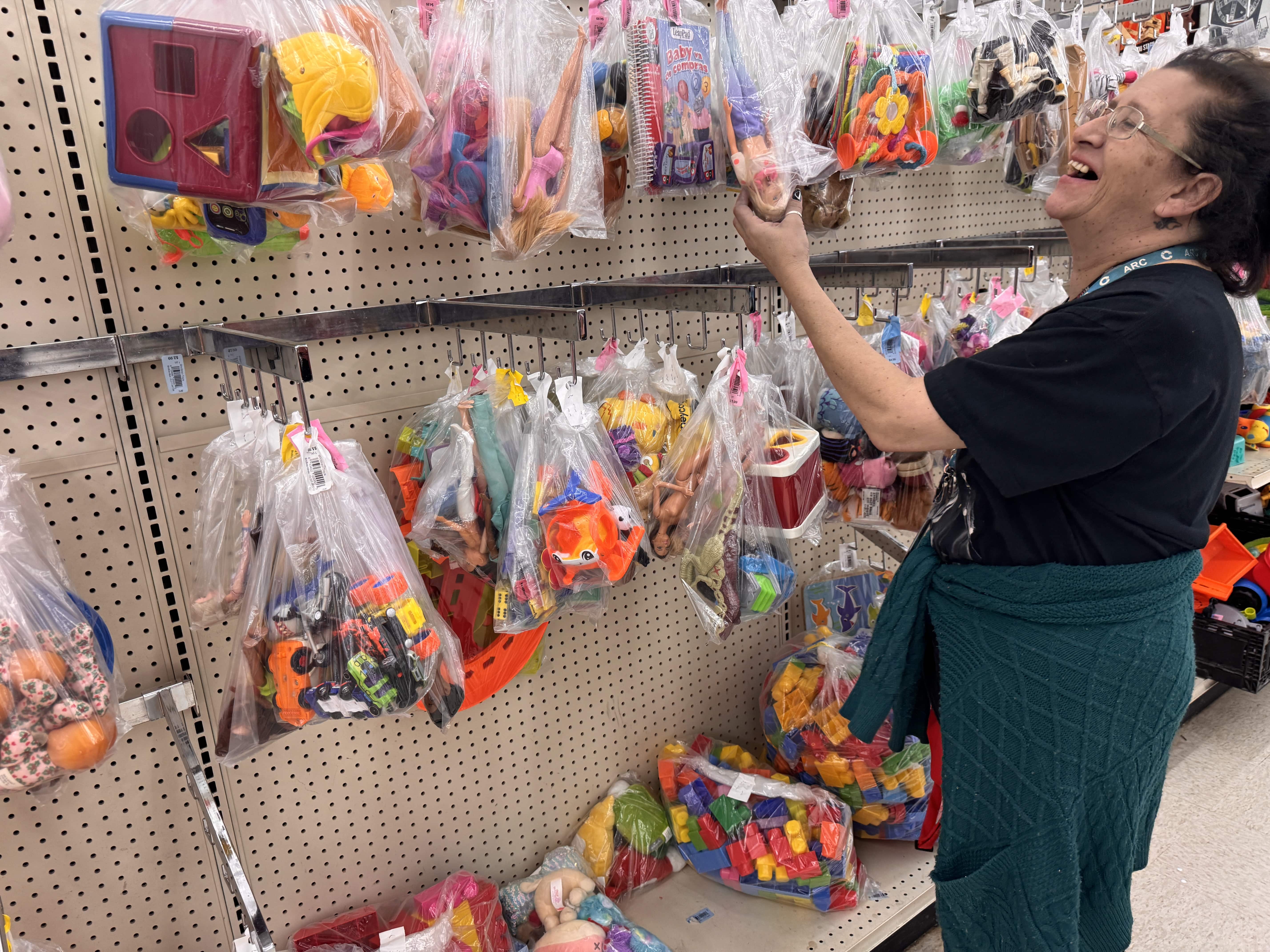
For close to 15 years, Scivicque and Schmitt have been at the forefront of Arc’s growth and innovation, working tirelessly to build on their grassroots legacy. Their shared vision has helped Arc evolve from a small thrift operation into a community-focused powerhouse with plans for even greater expansion.
For Scivicque, thrifting has always been part of her life. From a thrifted sweet sixteen dress to furnishing her college apartments entirely with secondhand finds, she’s always had a love for thrifting — though she never imagined it would become her career. For Schmitt, Arc represented a fresh start. He credits his journey with Arc for giving him the tools to regain control of his life and now, he’s dedicated to helping others who face similar challenges.
Together, the pair are committed to extends the non-profit’s original mission into sustainability efforts to match the modern world, creating safe and productive work environments and providing a platform for social impact on a larger scale.
And while they’ve seen massive change since the start, Scivicque and Schmitt (and the whole Arc team) aren’t done yet. Their next big goal? Becoming 100% circular on recycling.
As Scivicque puts it, “The more we can push everything we do – the more we can help the environment, the more we can help people with sustainable jobs – the more we can do on a larger scale.”