



In a city as musically diverse as Denver — where a single weekend can take you from warehouse techno to rooftop house, hip-hop to live bands — the dance floor has always been a space for release.
A global conversation is making its way into local clubs and underground parties: should phones be banned on the dance floor?
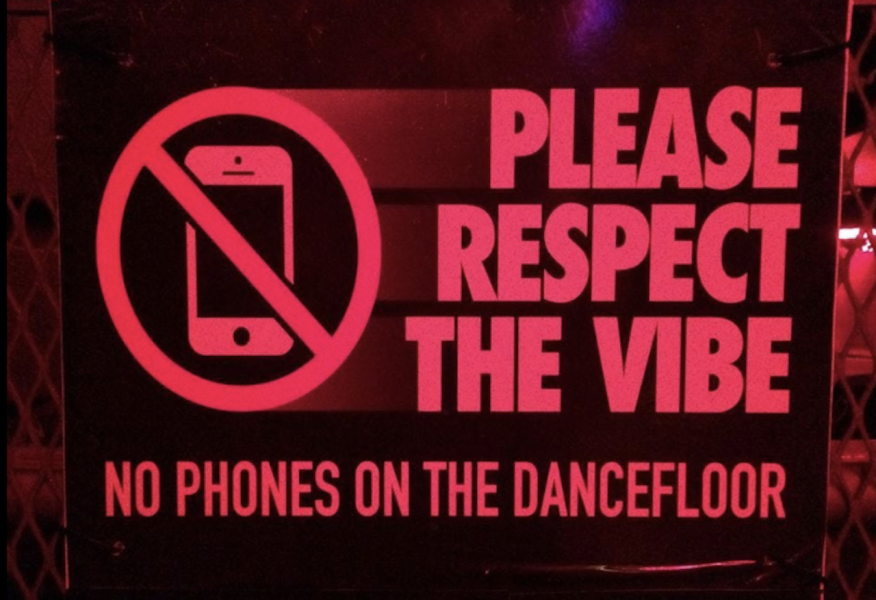
The debate over banning phones from dance floors is a growing movement in nightlife, centered on the tension between capturing memories and preserving the “vibe” of a live event. Whether they should be banned depends on whether you prioritize individual documentation or collective atmosphere.
According to a Heineken study, 60% of Gen Z and Millennial smartphone users across the U.S., U.K. and Netherlands say they’d enjoy concerts more if they disconnected from their devices. Even more telling, 55% admit they prioritize filming over being present — despite 13% rarely revisiting those videos.
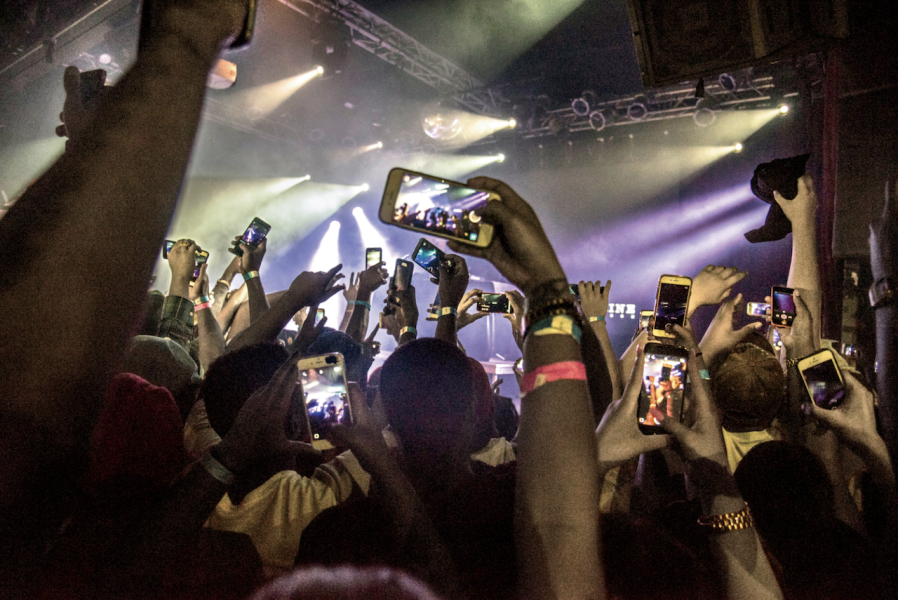
Key Arguments Against Banning Phones
For many, removing phones from nightlife spaces feels restrictive — even unrealistic.
Memory Matters
Photos and videos act as digital souvenirs. Taking that away can feel like losing a way to hold onto meaningful nights.
Safety First
Phones offer a sense of security, especially in crowded venues. From coordinating rides to checking in with friends, they’re often essential.
Social Norms Have Shifted
Sharing experiences online isn’t just habitual — it’s how people connect. A total ban can feel disconnected from modern culture.
Accessibility Counts
Not everyone uses their phone the same way. For some, it’s a tool for navigation, communication or easing social anxiety.
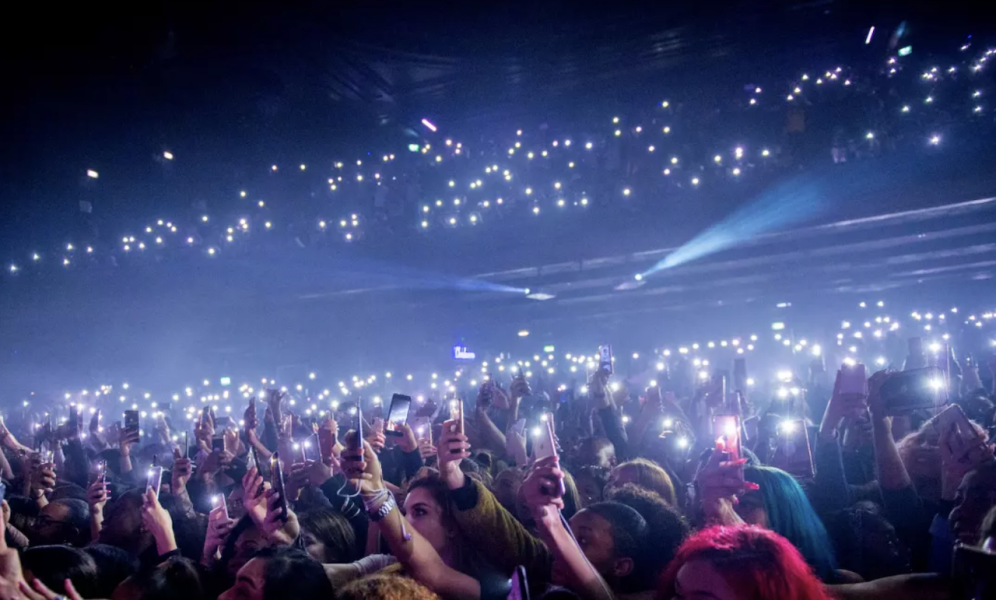
Key Arguments for Banning Phones
On the flip side, advocates argue that removing phones transforms the entire energy of a space.
Stronger Human Connection
Without screens, attention shifts back to the music, the DJ and the people around you. The dance floor becomes communal again.
More Authentic Energy
When no one is filming, people loosen up. There’s less performance, more presence.
Privacy Protection
Clubs have long been safe spaces for self-expression. Eliminating cameras helps preserve that freedom.
Respecting the Artist
Many DJs want their sets experienced in real time — not filtered through a screen or reduced to short clips.
Major media outlets have already documented the rise of phone-free nightlife
Coverage points to a growing desire for deeper, more immersive experiences — and a backlash against constant digital documentation.
The BBC has highlighted how phone-free events are “creating deeper, more immersive connections between crowds and music,” pointing to a resurgence of analog nightlife experiences.
The New York Times has reported on the rise of “no-phone parties,” describing them as a reaction to digital burnout and constant self-documentation.
The New York Post has taken a more skeptical tone, noting that while some clubgoers love the freedom, others feel restrictions can be “overly controlling in social spaces meant for expression.”
Globally, influential venues are taking action
In Ibiza, curated parties at spots like Pikes, Hï Ibiza, Tomodachi Ibiza, and DC-10 (specific parties) are encouraging guests to unplug. Berlin’s Berghain remains the gold standard, enforcing a strict no-phone culture with camera stickers. London institutions like fabric and FOLD maintain similar policies, while New York’s House of Yes and Book Club Radio have built reputations around presence-first experiences.
Even cities like Manchester are experimenting with events, introducing phone-free policies to boost engagement and reduce distractions.
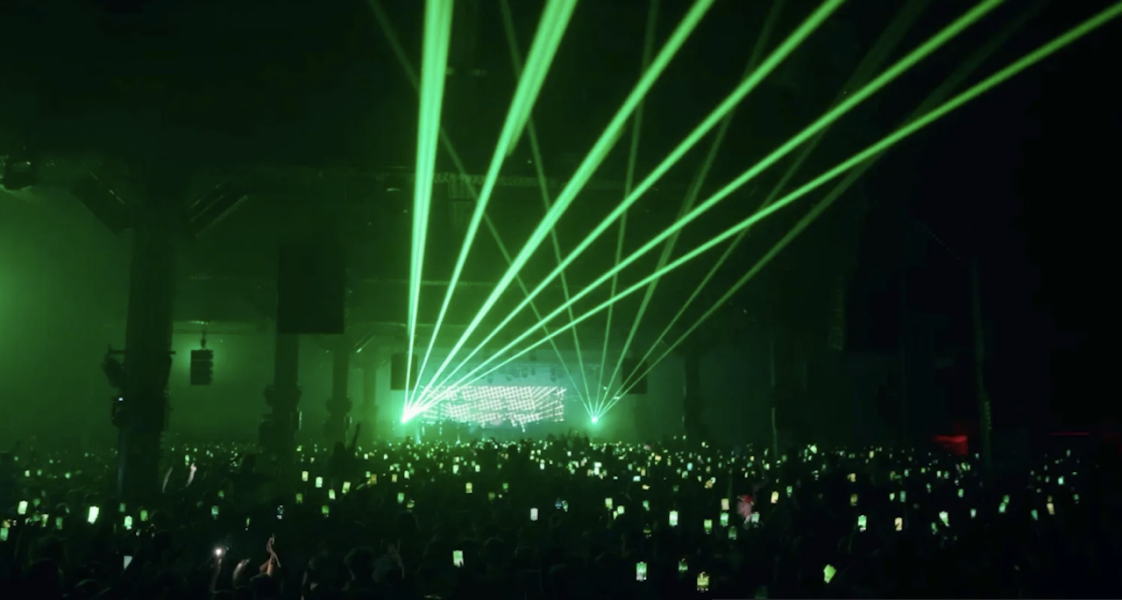
Where Denver Stands
Denver hasn’t fully committed to strict no-phone policies — at least not yet.
Most major venues still allow full phone use, but a noticeable shift is happening in underground scenes and curated events. Instead of outright bans, organizers are testing softer approaches:
- Camera lens stickers
- “Stay present” messaging
- Artist-led no-filming requests
The nights people talk about for years aren’t usually the ones perfectly captured on camera. They’re the ones that felt electric, unpredictable and fully lived in the moment.
Whether Denver fully embraces phone-free dance floors or not, one thing is clear: the way we experience nightlife is evolving.
And the question isn’t just whether phones belong on the dance floor — it’s what we’re willing to trade for the sake of being present.