



Denver has always billed itself as a music city — where jam bands stretch songs past midnight, bass vibrates through warehouse walls, and DJs spin tracks long before the rest of the country catches on.
But nightlife in Denver no longer lives in one place. It’s fractured by neighborhood, and each corner of the city tells a different story about who really controls the night.
A question has been echoing through shows, backstage, and late-night bars:
Is Denver’s music scene still independent?
The answer? It depends entirely on where you’re standing.
RiNo: Where Touring Music Comes to Win
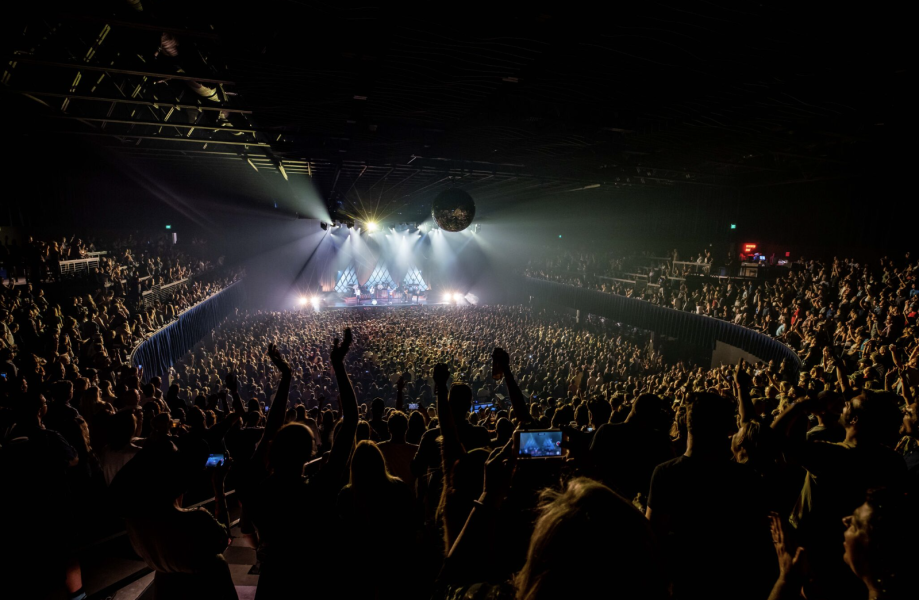
RiNo has become Denver’s most visible music neighborhood — and its most misunderstood.
Venues like Mission Ballroom have put the city firmly on national touring maps. The sound is pristine. The lineups are stacked. Artists love the room. Audiences trust the calendar.
But RiNo’s rise reflects a larger shift: music here is increasingly routed through national touring infrastructure, not local scenes. Shows are efficient, highly produced, and rarely risky.
That doesn’t mean the music is bad — far from it. It means RiNo prioritizes scale over discovery. You come here to see artists you already know, delivered with precision.
LoDo: Music as Background Noise
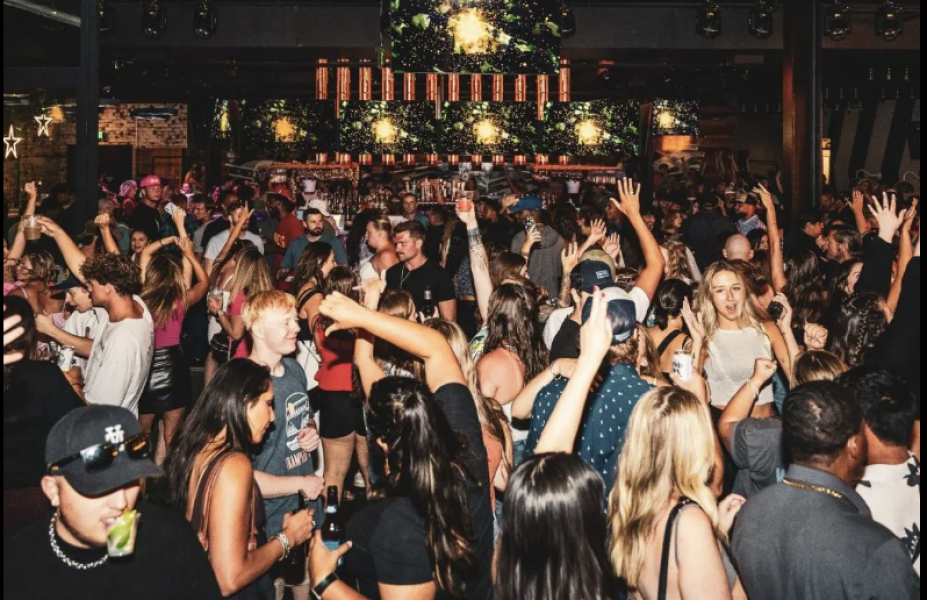
If RiNo is about touring efficiency, LoDo is about volume — crowds, drinks, foot traffic, and turnover (Excluding a few music focused venues).
Music exists here, but rarely as the main event. DJs play to rooms shaped by sports schedules, bachelor parties, and bottle service economics. Live music venues are scarce. Risk is lower. The goal is consistency, not curation.
LoDo nightlife doesn’t pretend to nurture scenes — and in a way, that honesty matters. It’s nightlife as commerce, not culture.
For Denver musicians, LoDo is rarely a launching pad. It’s a paycheck, a residency, or a place to fill space between shows elsewhere.
South Broadway: Where the Scene Still Lives
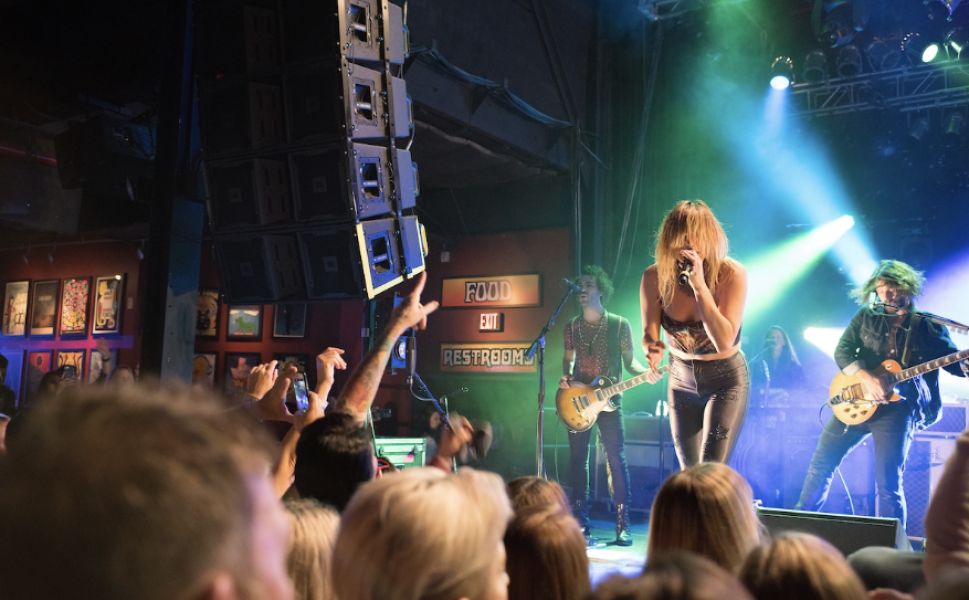
South Broadway remains the city’s most stubbornly independent music corridor — and the last place where scenes still collide organically.
Here, DJs open for touring acts and later become headliners. Bass artists experiment. LGBTQ+ nightlife drives sound and style. Jam bands, hip-hop, latin and house DJs, techno purists, and genre-defying hybrids share the same stretch of pavement.
Ownership matters here — not because it’s small, but because it’s present. Many of these venues are run by people who book shows, watch crowds, and adjust programming based on community response, not quarterly projections.
So… Who Owns Denver Nightlife?
While corporate players dominate concerts, nightlife culture — the late-night, DJ-driven, live bands, identity-shaping spaces — is still heavily locally owned and operated.
Financially?
Corporate operators control the biggest stages.
Culturally?
Independent owners still decide:
1. What Denver sounds like at 1:45 a.m.
2. What music breaks here
3. What scenes survive
Remember, every ticket you buy, every show you choose, every late night you stay out —
you’re voting for who owns the city after dark.
