



We’ve seen, known and loved the Colorado Symphony for decades. While 303 Magazine has collaborated with them over the years, we’ve never gotten this up close and personal.
Until now.
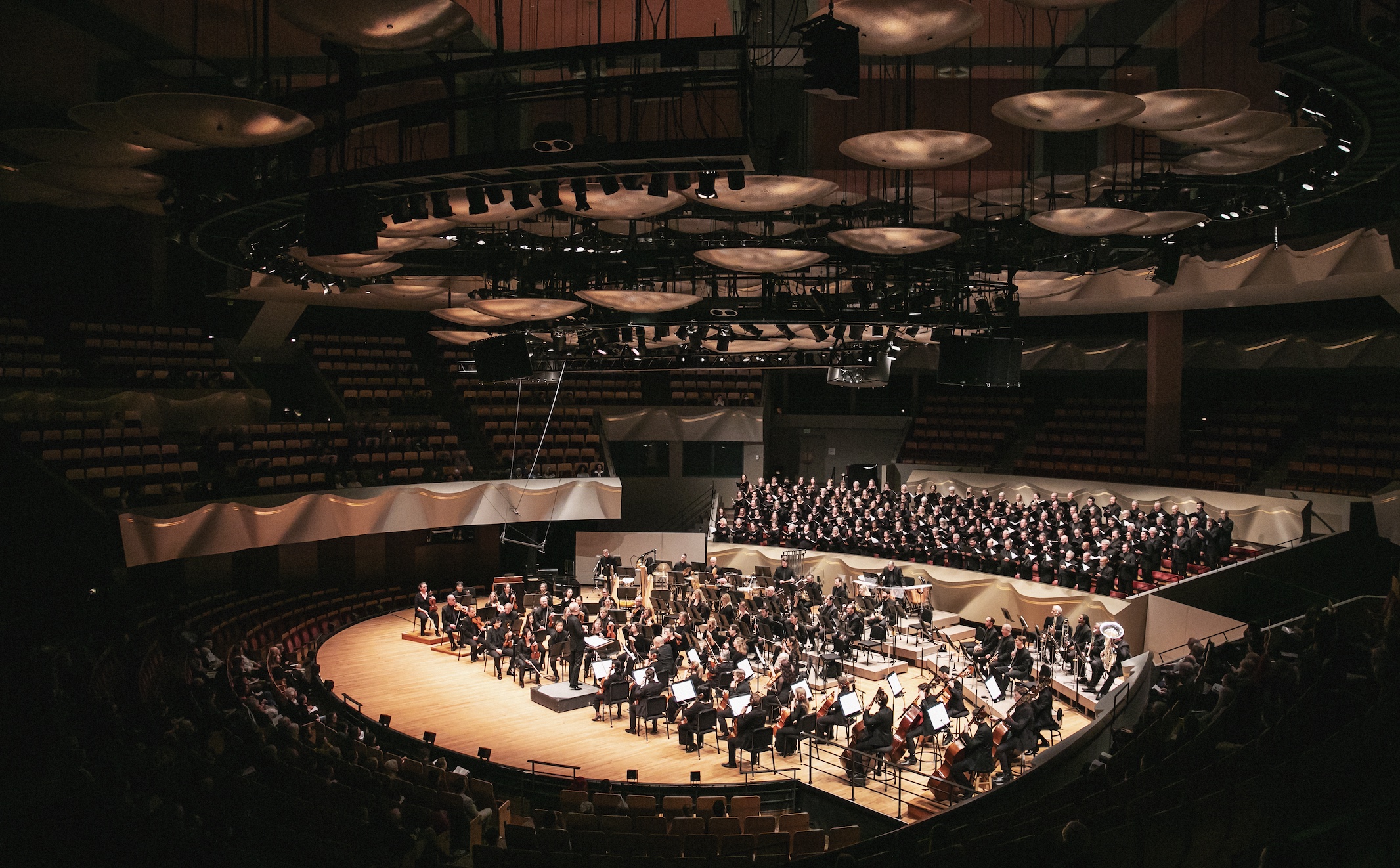
In this exclusive tell-all, the people of the Colorado Symphony pull back the curtain to reveal what it’s really like to join the orchestra, navigate the inner workings of a symphony and carry its legacy into the future. From high-stakes auditions to finely tuned group dynamics, pun intended, we got the full backstage pass.
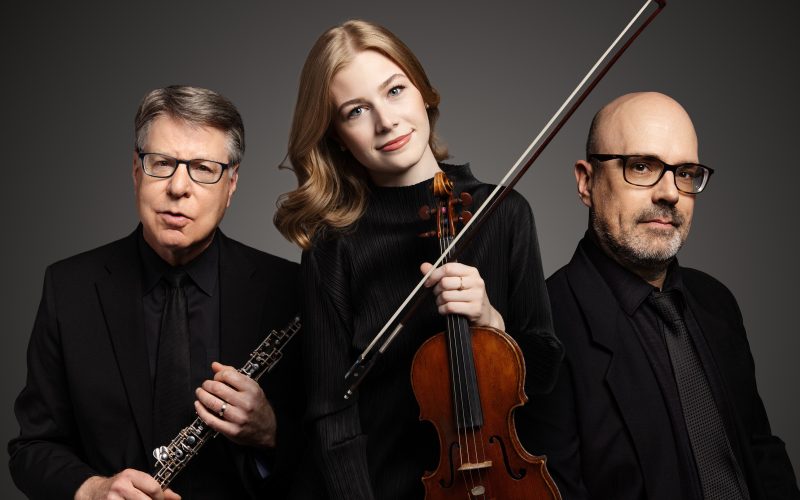
Join us on this one-of-a-kind look into the real lives of the Colorado Symphony starring newest wunderkind in the symphony villa, principal second violinist Kate Ardnt; day-to-night orchestral statement piece, principal French hornist Micheal Thornton; and lastly, principal oboist Peter Cooper – the orchestra’s living legend, whose journey began in the symphony’s rising ashes and continues to shape its sound today.
These are the people behind the instruments.
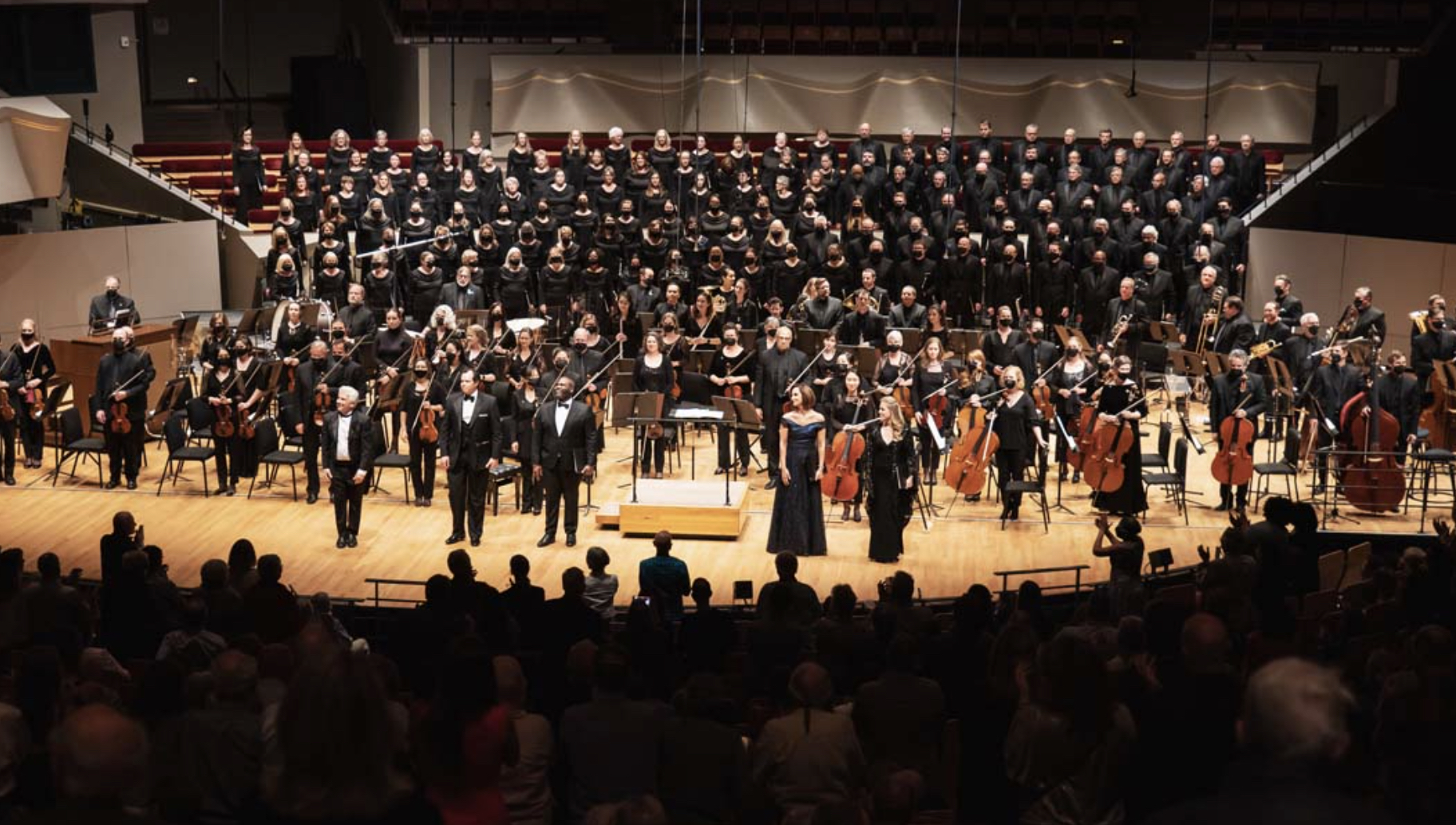
Movement I — First Chairs and First Impressions
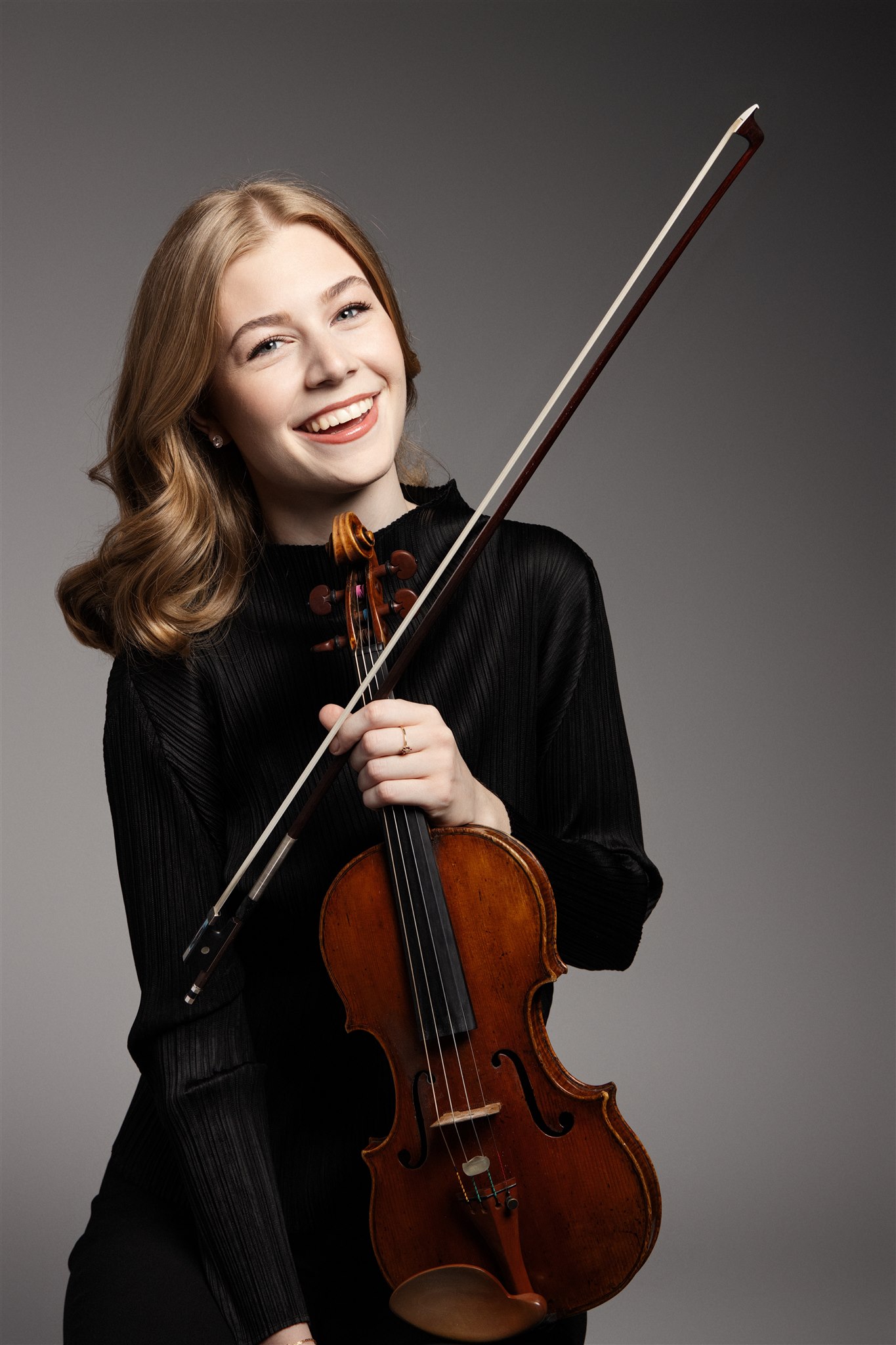
As any musician knows, a symphony doesn’t start with a crash, but with a single note. In a world where every note counts, the first has to be in key. However, for the Colorado Symphony, that’s easier said than done.
Ardnt: “I heard there was an opening for the principal second violin position.”
Openings like this don’t come around often.
Cooper: “It’s always been hard to get a job here.”
Ardnt: “There are usually hundreds of applicants for one position, so it becomes a numbers game with more auditions than jobs.”
As hard as it is to land a role, the audition process itself strikes another chord – one that’s completely unseen.
Ardnt: “It’s totally a mind game. Ninety percent of it is mental [with] the big unknown being how you’re gonna feel when presenting, especially with so many unexpected things.”
Ardnt: “Adrenaline can help sometimes, with that edge of nerves…If you know how to use it, then it’s a superpower.”
For some, connection to the pieces at hand can offer relief.
Ardnt: “I found it extremely freeing [to] play however you want [and] just focus on yourself.”
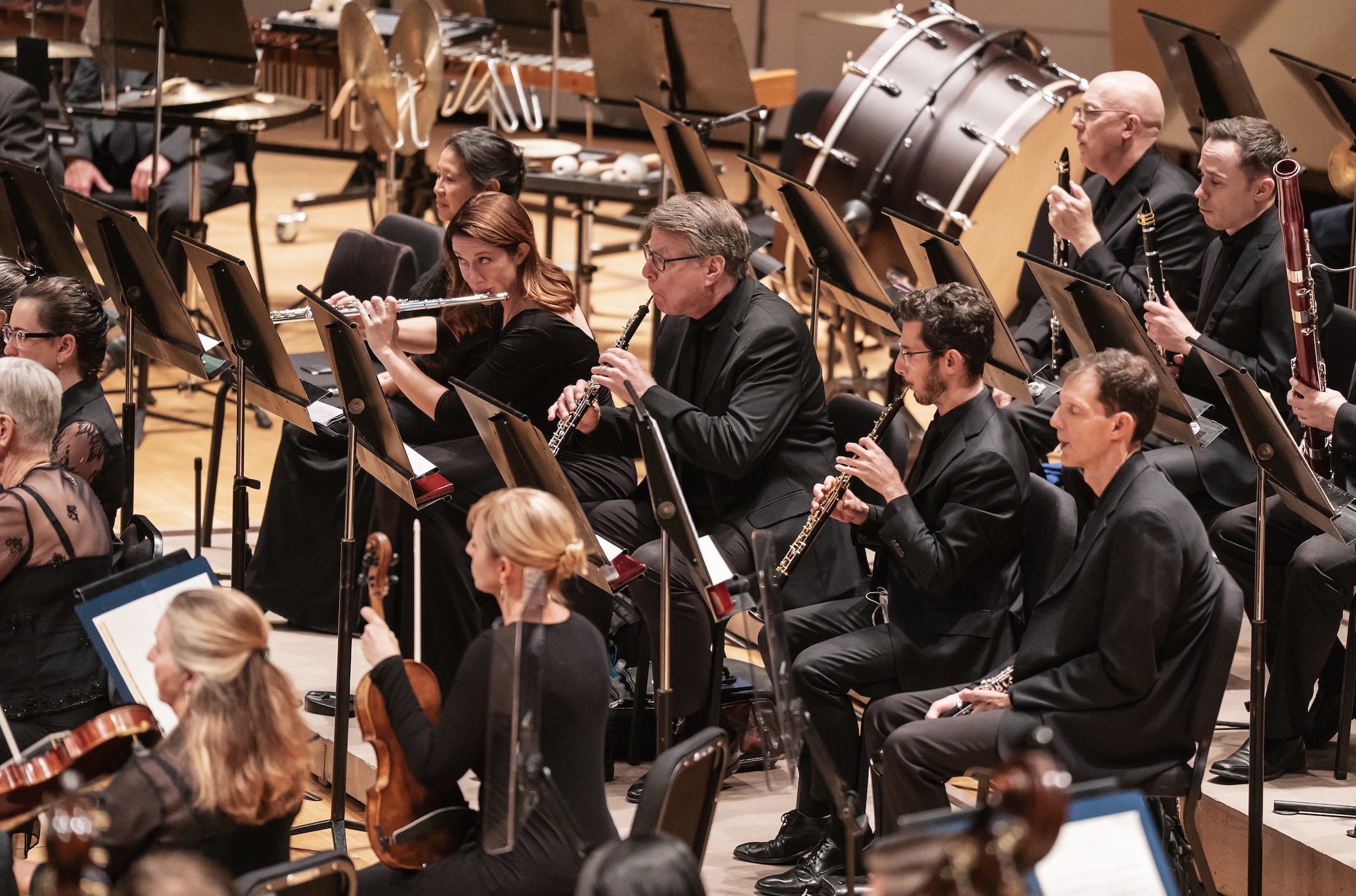
And, while the audition committee craves passionate musicians, they aren’t solely listening for skill.
Cooper: “In an audition, especially if you’re hearing 80, 90 or 100 people, you know you choose someone and you’re not always sure how they will work out in the orchestra.”
Cooper: “They might play well but they may not have a good sense of ensemble, or they may not personally work out.”
They’re betting on potential.
Ardnt: “It’s a big decision for the orchestra – it’s preemptive trust to work and collaborate that long with a musician.”
For a newcomer like Ardnt, who’s still under review, the journey is just beginning.
Cooper: “We have a process for players, when you come in for the first two seasons, you’re on probation.”
Cooper: “You get feedback after your first season, and usually halfway through your second season, you’re informed that you get your tenure or not.”
Ardnt remains optimistic through the nerve-wracking wait.
Ardnt: “I am looking forward to staying.”
Movement II — Reading Between The Measures
With the bows down, and final roses given out, the spotlight may still be on, but for the musicians, it’s routine now. Stepping inside the Colorado Symphony’s inner circle uncovers a devoted family that’s tuned into something more personal.
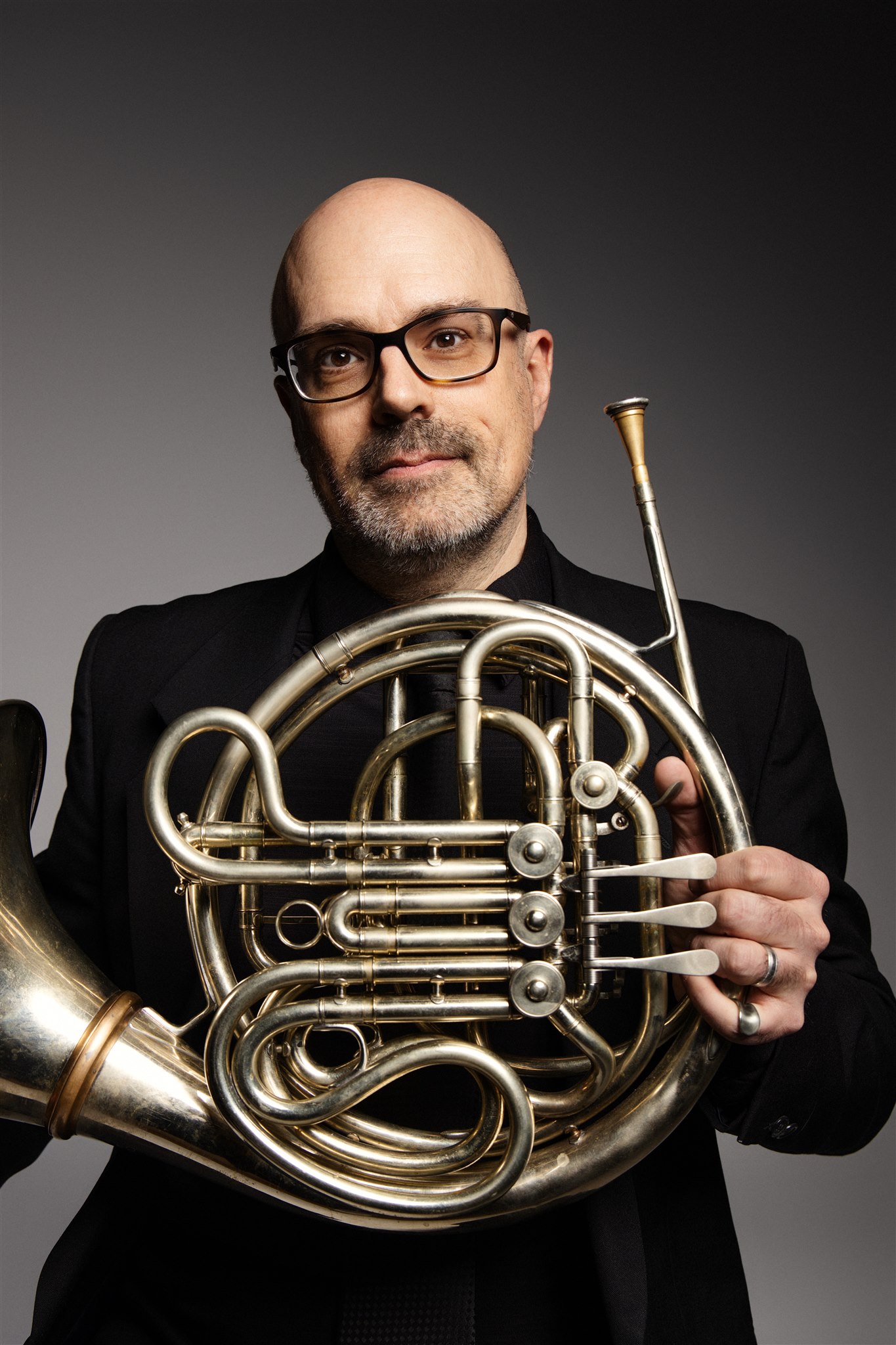
Thornton: “The Colorado Symphony is like a big family full of wonderful musicians.”
One rooted in shared rhythms with complexities beneath the surface.
Cooper: “The feeling of camaraderie has stayed the same.”
Thornton: “As in any family, there may be an occasional disagreement, often due to differences of artistic opinion.”
And for fresh faces?
Ardnt: “It was daunting at first….like, who’s this girl and why is she making the shots? But, I am always open to learning and fitting in best with the section.”
At the end of the day, though, always having each other’s backs.
Cooper: “I’ve seen us weather the storms.”
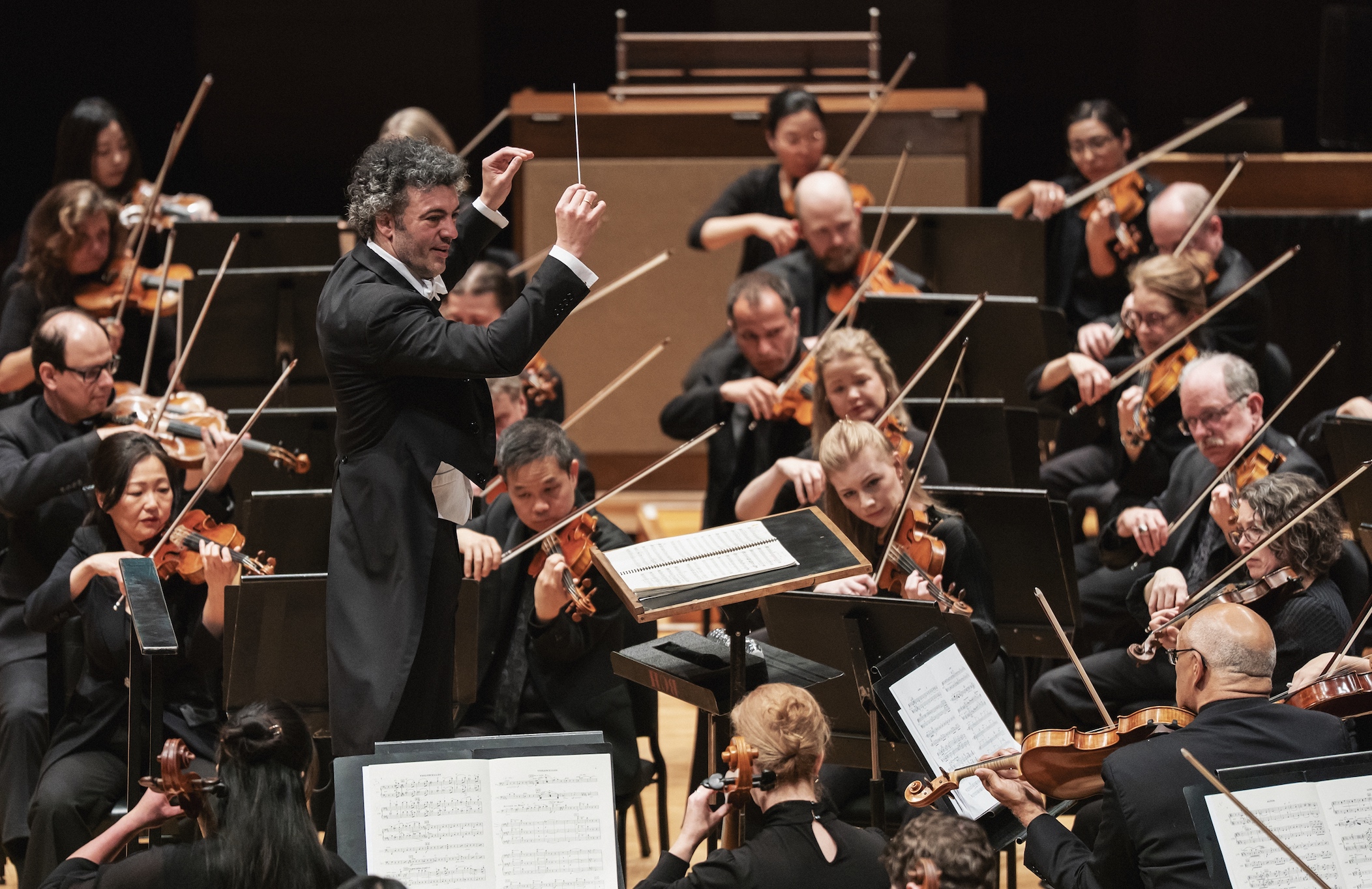
Beyond the friendships, harmony lives within crescendoing romances and deeper bonds.
Thornton: “It’s common to be married, or with someone, within this community.”
Thornton: “I met my wife Julie in the orchestra and have some deep friendships within the orchestra.”
While horns are known as the bridge between woodwinds and brass, the emotional core lives in the sound itself.
Thornton: “You could go to the same show three times, and it won’t be the same experience each time…the emotional expression is different every time.”
Thornton: “In that way, we’re closer to a sporting event, like a Bronco’s game. It’s a living art-form.”
But for this professional ensemble, routine is anything but routine.
Thornton: “A day in the life may look similar, but a week would show all of the preparations.”
Thornton: “The process is ongoing at all times.”
Still, as the region’s only full-time orchestra, there’s room to breathe.
Ardnt: “We’re very fortunate that the schedule is so nice to us. You can have interests outside of it.”
Thornton: “With two teen daughters, we are definitely a Gilmore Girls household!”
And, space to be something more than just a musician.
Cooper: “Teaching at CU Boulder is an absolutely crucial and essential part of my life.”
Movement III — The Symphony and The City
Beyond the music and lifestyle there lies a bigger responsibility, one that holds the weight of Denver’s cultural heartbeat in its hands. From community impact to future growth, the Colorado Symphony takes every note into thoughtful account.
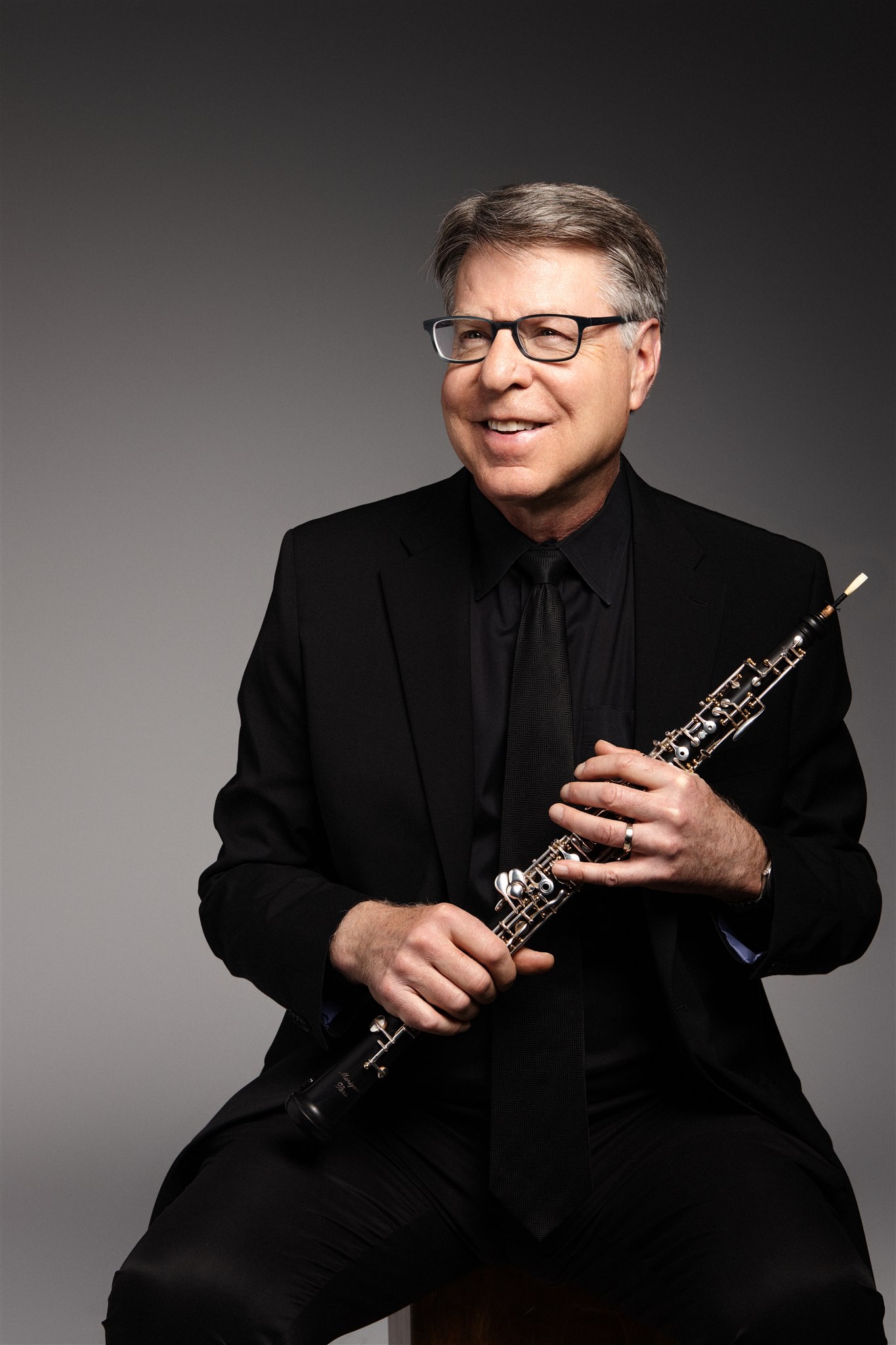
Cooper: “We have really made an effort in this orchestra to reach out to all areas of the community.”
It’s about making the symphony feel like home, no matter who’s listening.
Cooper: “We have a tremendous amount of programming and there is really something for everyone.”
Thornton: “Music is converging now, instead of diverging.”
Connection through music proves to be just as important as keeping the doors open for both audiences and future players knowing not all can be in their chairs.
Cooper: “One thing I really know about this business is that yes, I deserve my position, but there are lots of other people that deserve my position and didn’t get that.”
Ardnt: “I wish it wasn’t that way.”
Cooper: “There’s so many people that would never get the opportunity to make a living at this.”
Ardnt: “I wish everyone in music could find a job in music.”
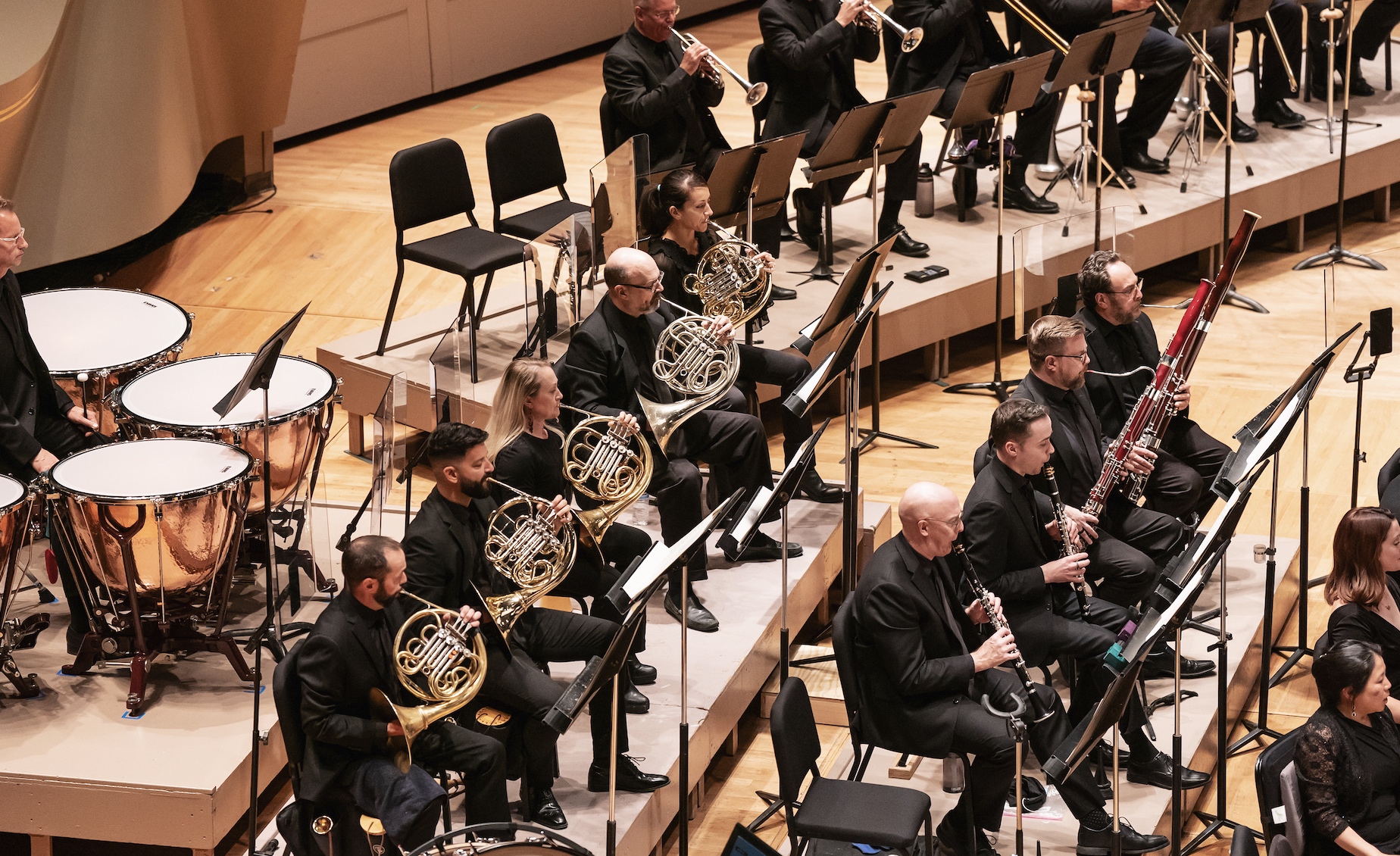
Still, the Colorado Symphony plays on, growing, evolving and always aiming higher.
Cooper: “Musically speaking, the orchestra has grown tremendously.”
Cooper: “I see the Colorado Symphony continuing to get better.”
While always keeping their audiences in mind.
Thornton: “We owe it to everyone to play something of value.”
As the curtain falls on another season, and the musicians of the Colorado Symphony are off to their well-earned summer break, their stories remain far from over. More than just an orchestra, the people inside the Colorado Symphony are what make it the true treasure of Denver, leaving one thing for certain: Here, every note matters and every person adds color with the most powerful movement still ahead.