



You can carefully curate a dating profile. You can rehearse a first-date story. You can even convince someone you’re the kind of person who gets up early on Sundays.
Your bedroom makes its own introduction.
There’s the book permanently facedown on the nightstand. The concert poster that has survived three apartment moves. The yoga mat within easy reach. And, of course, the chair that hasn’t been available for sitting since last winter.
Together, these details offer a glimpse into how someone lives when nobody is watching—or when nobody was supposed to come over.
There’s some research behind that curiosity. In a study published in the Journal of Personality and Social Psychology, observers formed partly accurate impressions of people from their offices and bedrooms. Accuracy varied by trait and setting, and stereotypes also influenced those judgments. A room can offer clues, but it doesn’t tell the whole story.
So, what should you actually notice? Start with the everyday details, keep your assumptions flexible and resist turning someone’s throw pillows into a psychological assessment.
1. The Laundry Chair Has Something to Say About Routine
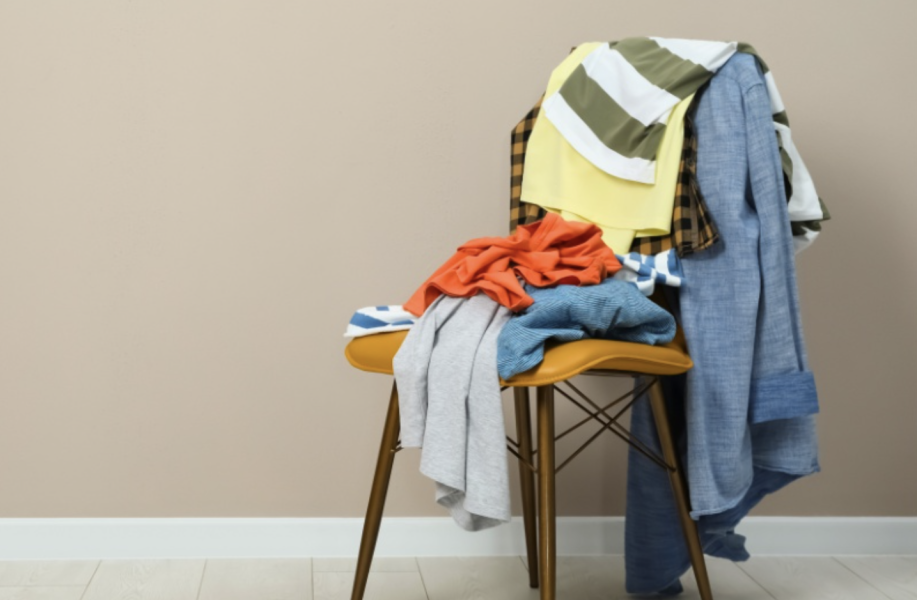
A sweatshirt on the floor and three weeks of abandoned takeout containers deserve different conversations.
Everyday clutter can show you where someone’s routine gets interrupted. Maybe laundry makes it through the wash but never into a drawer. Maybe the bedroom becomes a landing zone after long shifts. Maybe their definition of “put away” involves a surprisingly ambitious pile.
What matters is whether the space works for them—and whether their habits would work for you if you shared it.
If cleanliness becomes a compatibility question, ask about it. One visit gives you a snapshot. Repeated habits give you more useful information.
2. The Nightstand Offers a Better Conversation Starter Than “What Do You Do?”
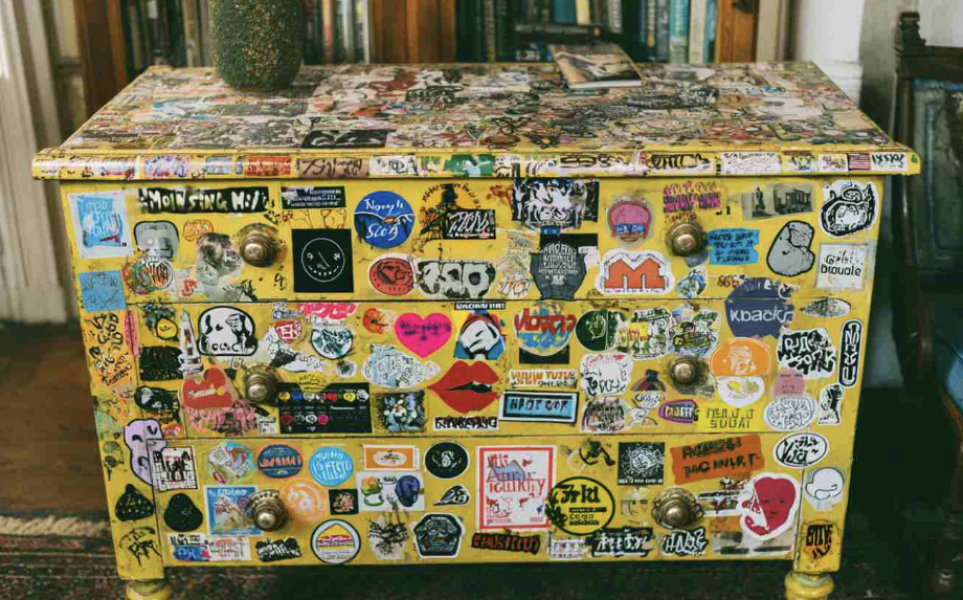
A novel with a cracked spine. A cookbook full of sticky notes. A library book already approaching its second renewal.
Bedside reading can offer an opening into someone’s interests, whether that means fiction, design, history or a very specific fascination with mushrooms.
Ask what they’re reading and what they think of it. That conversation will tell you much more than counting the books.
And if there aren’t any? Their library might live on an e-reader, their headphones or an app. Curiosity doesn’t require a photogenic bookshelf.
3. Workout Gear Shows What They Make Room For
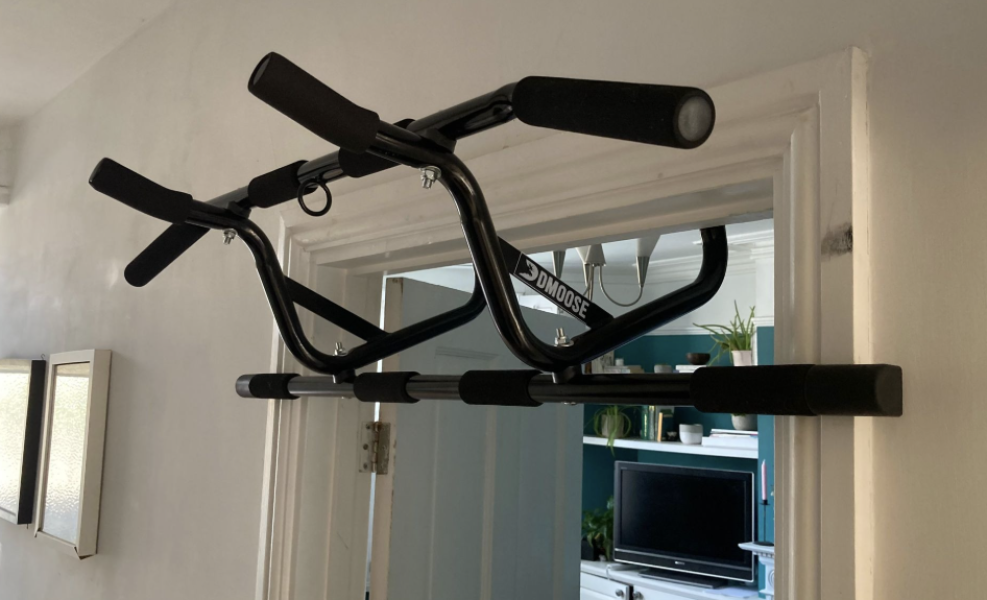
In a small bedroom, every square foot has a job. Giving some of that space to a yoga mat, resistance bands or dumbbells suggests movement has a place in someone’s life—or in the life they’re trying to build.
The interesting part is how the equipment fits into their routine.
Is the mat rolled out every morning? Are the weights used between meetings? Is that exercise bike currently responsible for holding six jackets?
Objects can reflect aspirations as much as habits. Asking how someone uses them helps you understand the difference.
4. Nostalgic Objects Tell You What They’ve Kept Close
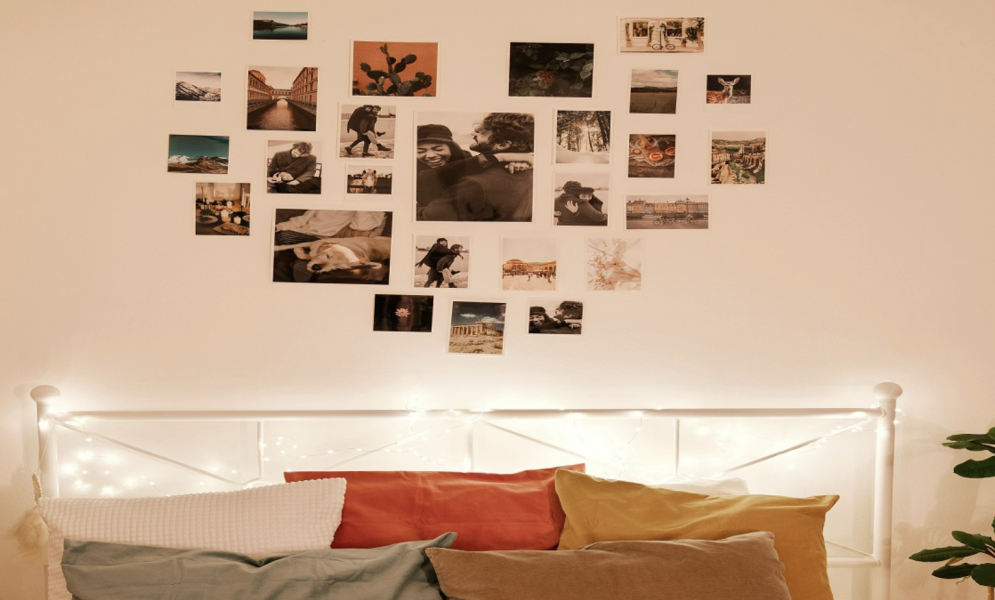
An old stuffed animal. A framed childhood photograph. A shelf of collectibles that requires an introduction.
These things can carry stories that newer purchases simply don’t.
Keeping something from childhood doesn’t tell you whether someone can manage adult responsibilities. It may tell you what makes them feel connected, what they find comforting or which interests have stayed with them.
Before dismissing the collection, ask about the piece they would never get rid of. There’s probably a better story there than you expected.
5. A Nearly Empty Room Leaves Plenty of Questions
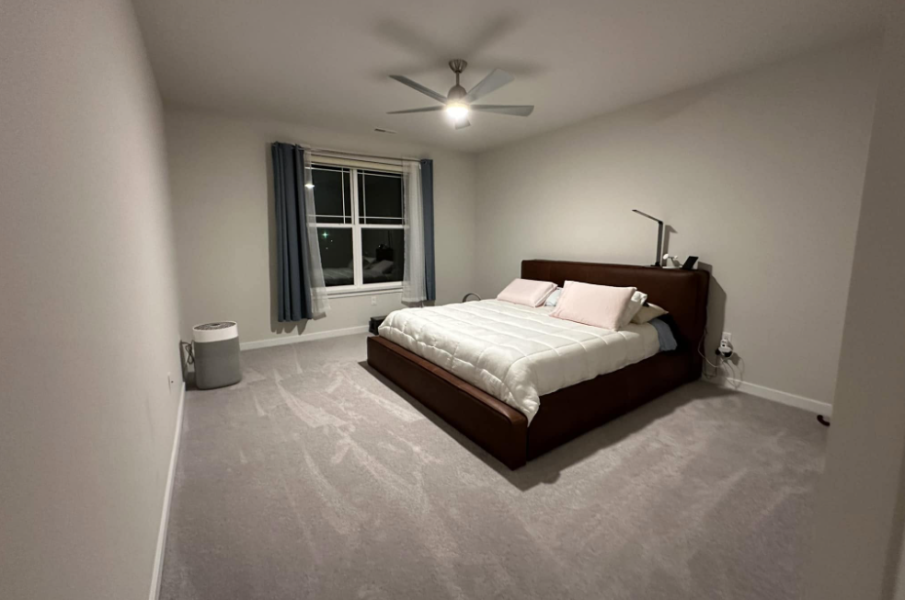
A bed, a lamp and almost nothing else: deliberate simplicity or a move that never quite got finished?
A sparse bedroom might belong to someone who enjoys visual quiet. It could also reflect a tight budget, frequent travel, a temporary living situation or the fact that furnishing an apartment takes time.
The useful question is whether the room feels finished to its owner.
One person’s empty wall is another person’s favorite feature. Their answer tells you whether they’ve created the space they want or are still figuring it out.
6. Art and Lighting Show How They Want a Room to Feel
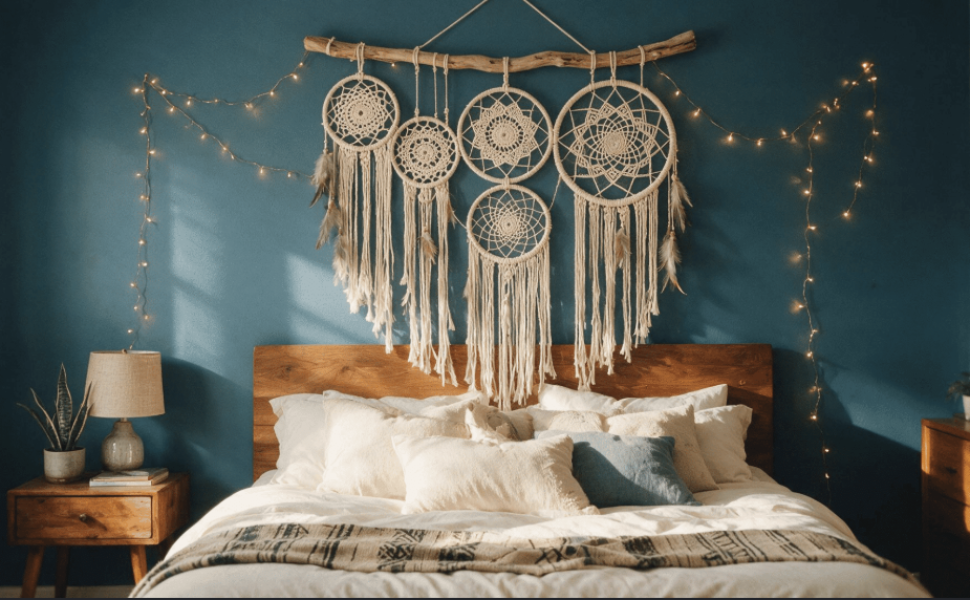
An overhead light can illuminate a bedroom. A carefully positioned lamp can change the entire evening.
Artwork, color and lighting reveal aesthetic choices: what someone wants to look at, what atmosphere they enjoy and how much attention they give their surroundings.
A room filled with local prints, vintage finds and mismatched lamps gives you plenty to ask about. So does a bedroom built around one dramatic photograph.
Look for the decisions that feel personal. “Where did you find that?” is usually more revealing than “What does that say about you?”
7. The Wind-Down Setup Reveals Their Evening Preferences
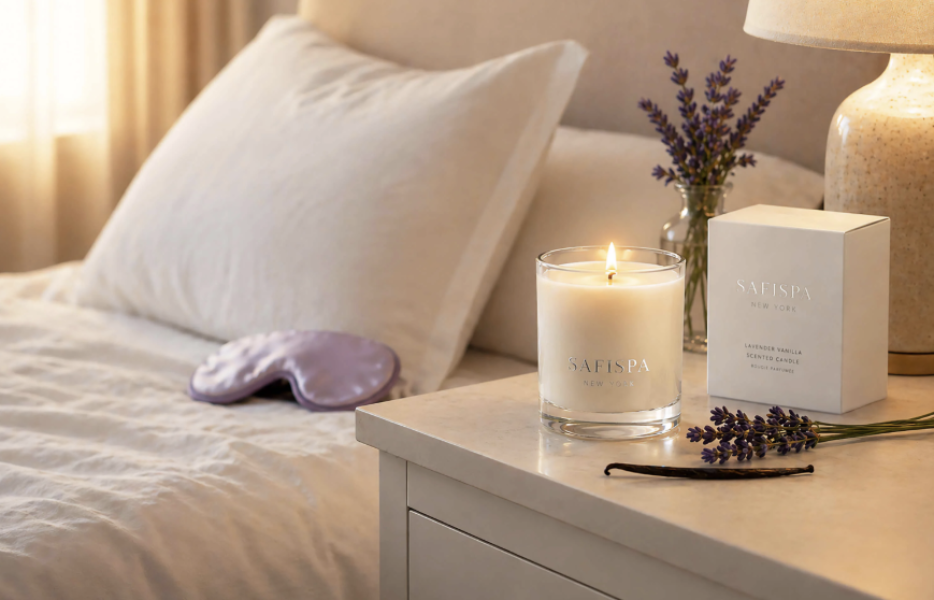
Blackout curtains. A fan running in January. A sleep mask that gets packed before anything else.
Some people have very specific ideas about bedtime.
A sound machine, soft lighting or a favorite candle may show how someone likes to transition out of the day. Those details are especially useful if you’re spending the night: you might discover that your ideal silence competes with their nonnegotiable rain sounds.
You don’t have to share every preference. Knowing them makes it easier to share the space.
8. The Picture-Perfect Bedroom Deserves a Little Curiosity
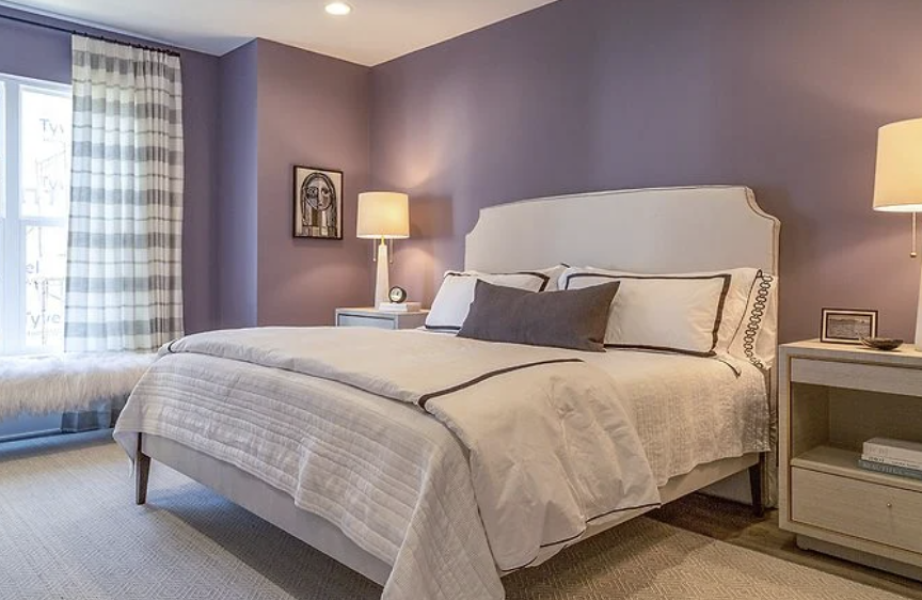
The bedding coordinates. The pillows have a system. Somehow, even the charging cable looks intentional.
An especially polished room may reflect a love of interiors, an established cleaning routine or the pleasure of coming home to something that feels put together.
It doesn’t automatically mean the owner is preoccupied with appearances. They may simply enjoy the result.
Ask about the choices. Did they hunt for that vintage dresser for months? Paint the walls themselves? Did they build the whole room around a hotel they loved? The story behind the styling is where things get interesting.
9. The Bed Setup Opens a Conversation About Comfort and Priorities
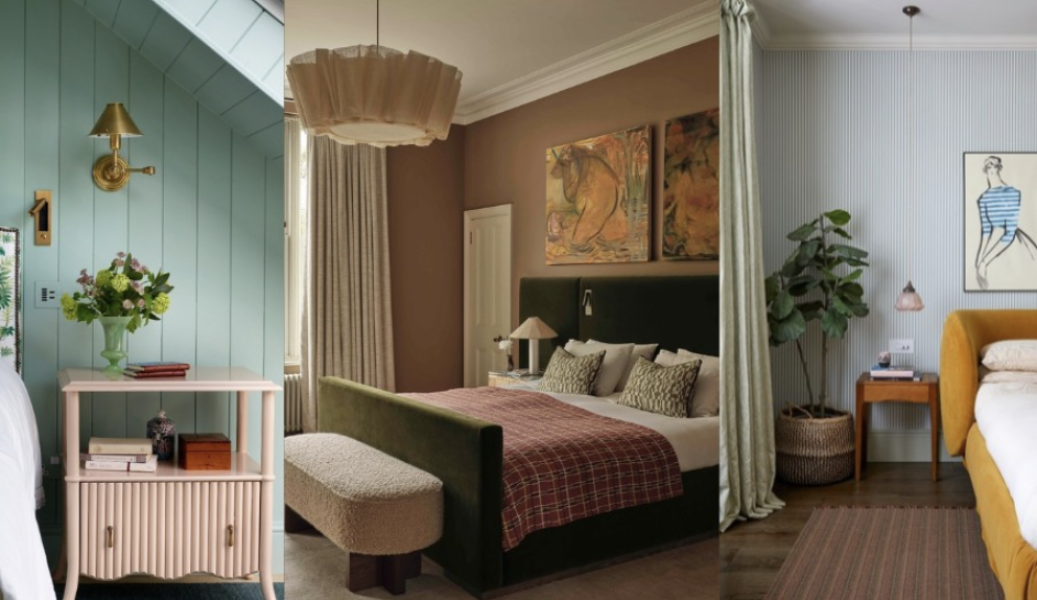
People spend differently on their bedrooms.
Someone may save for bedding while keeping a secondhand dresser. Someone else might prioritize a reading chair, a bigger desk or enough open floor space to stretch.
A simple setup can reflect budget, taste or a temporary arrangement. An expensive one doesn’t guarantee comfort—or compatibility.
Notice how the owner describes it. Do they love their room? Are they saving for a change? Have they discovered that the thing they thought they needed barely gets used?
Those answers say more about their priorities than the price of the bed frame.
10. The Space They Make for You May Be the Most Useful Detail
When someone invites you over, pay attention to how they welcome you.
Is there somewhere to sit? A place for your bag? Do they ask whether you’re comfortable?
You don’t need hotel staging to feel considered. A small gesture can make a lived-in room feel welcoming.
If something bothers you, their response matters, too. Being willing to listen, make room or discuss different expectations offers more useful information than a perfectly folded blanket ever could.
Your bedroom holds the evidence of ordinary life: what you reach for, what you keep, what you postpone and what helps you feel at home.
Notice the details. Then ask about them. The room can start the conversation; the person gets to explain it.