



From Marilyn Monroe and Maria Callas to Beyoncé, Rihanna, Cher, and Taylor Swift, DIVA brings nearly 100 legendary performers and almost 60 unforgettable costumes to Denver.
If you’ve ever wondered what makes someone a diva, the Denver Art Museum is about to give you nearly 250 reasons to find out.
This fall, the museum becomes the only U.S. venue for DIVA, the acclaimed international exhibition created by London’s Victoria & Albert Museum. Opening Oct. 4, 2026, DIVA brings together nearly 250 objects, nearly 100 legendary performers, and 58 costumes spanning more than a century of opera, theater, dance, film, and popular music.
The exhibition runs through Jan. 31, 2027, filling the Denver Art Museum’s Hamilton Building with the kind of fashion, fame and larger-than-life personalities that don’t exactly whisper for attention.
And that’s the point.
DIVA is an exhibition about performers who refused to be ordinary.
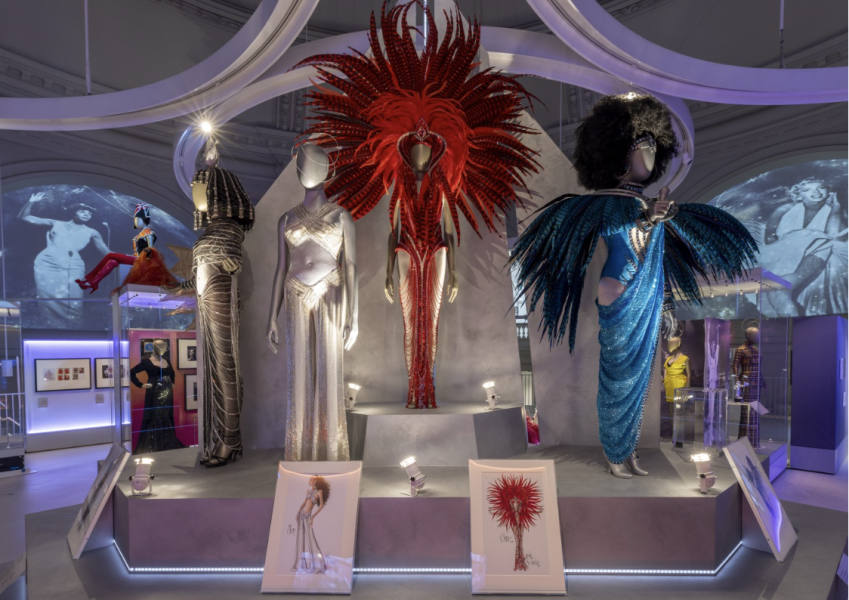
The only place to see DIVA in the U.S.
For Denver, the exhibition is something of a cultural coup.
After touring internationally, DIVA lands at the Denver Art Museum for its exclusive U.S. presentation. The museum’s installation explores the exhibition across two acts, moving from the origins of the diva in 19th-century opera to the global superstars who have transformed the meaning of the word today.
Visitors won’t simply walk past a collection of celebrity memorabilia.
Instead, DIVA looks at how performers constructed identities, commanded audiences and used fashion and performance to influence culture far beyond the stage.
The result is part fashion exhibition, part music history lesson, part celebrity time machine.
And, yes, there are some spectacular clothes.
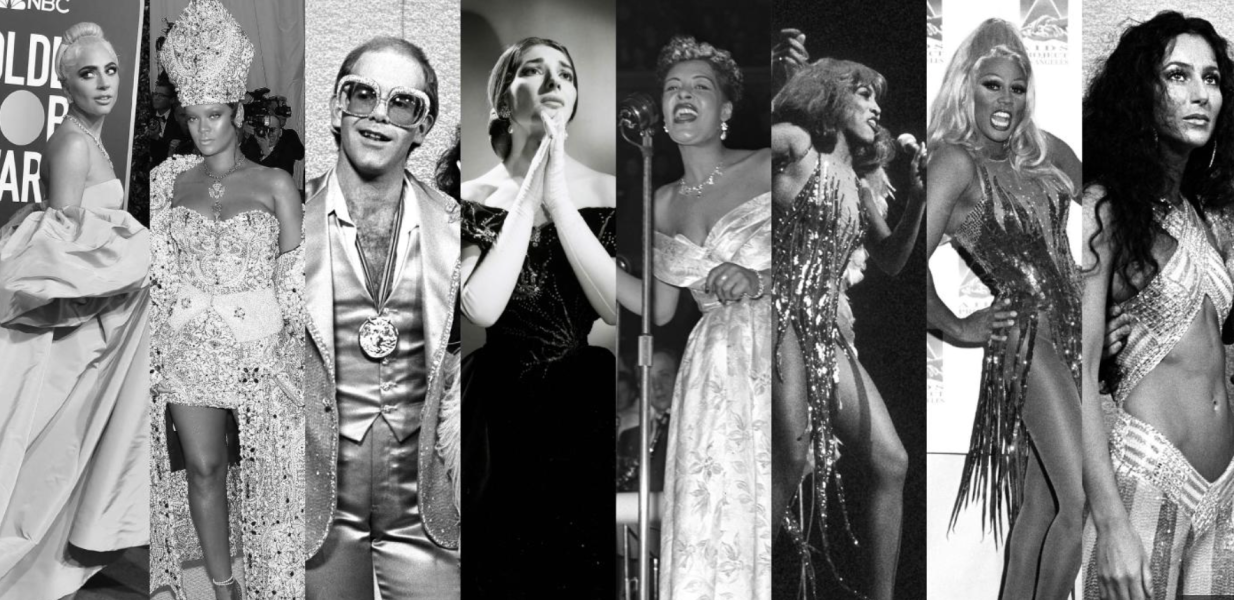
Nearly 60 costumes. One very big wardrobe.
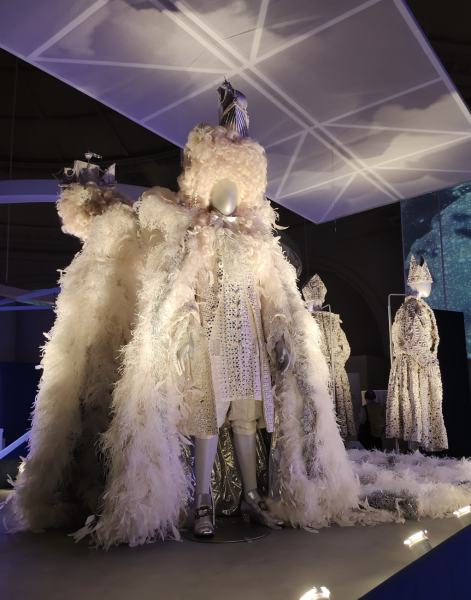
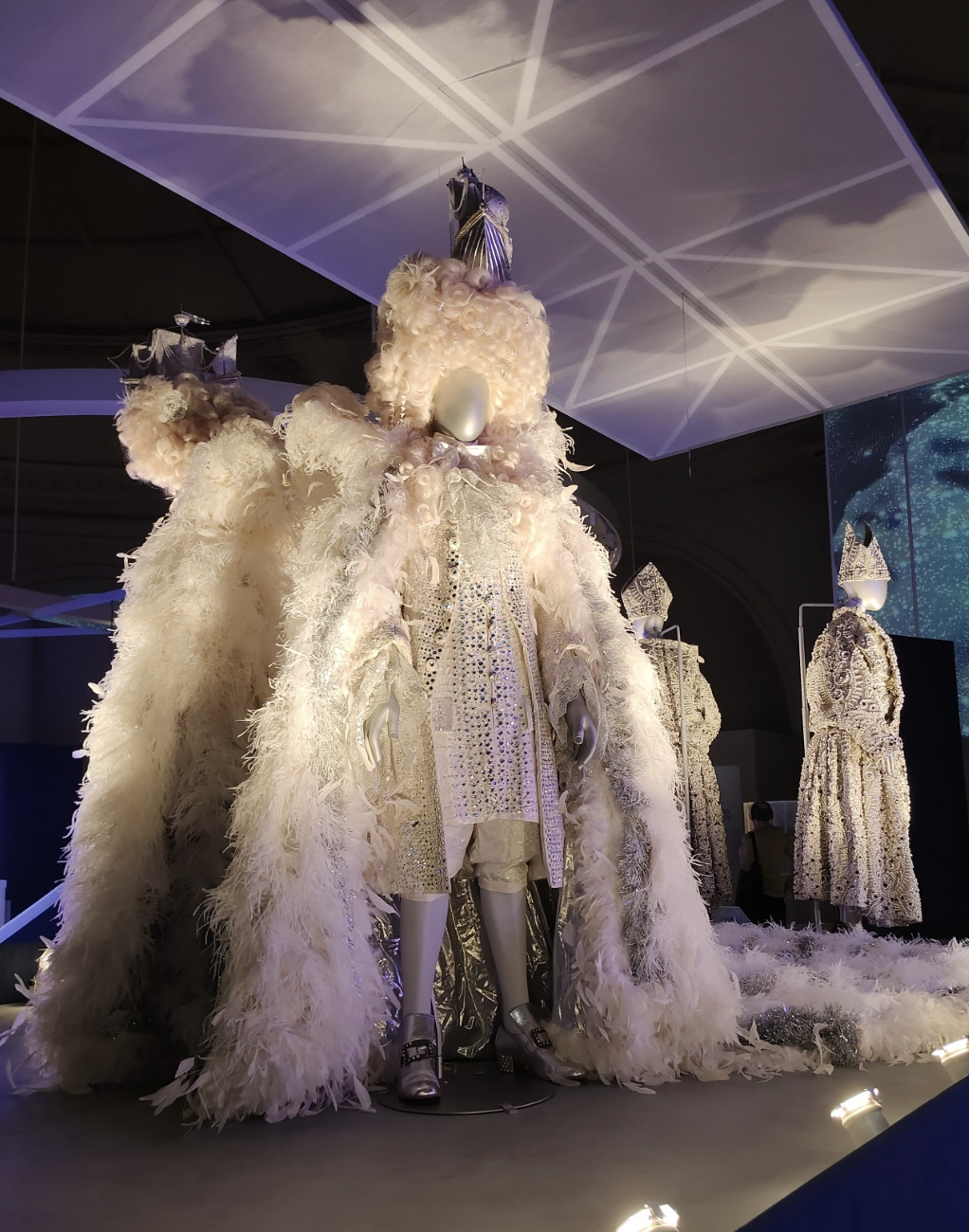
One of the biggest draws is the exhibition’s collection of show-stopping costumes.
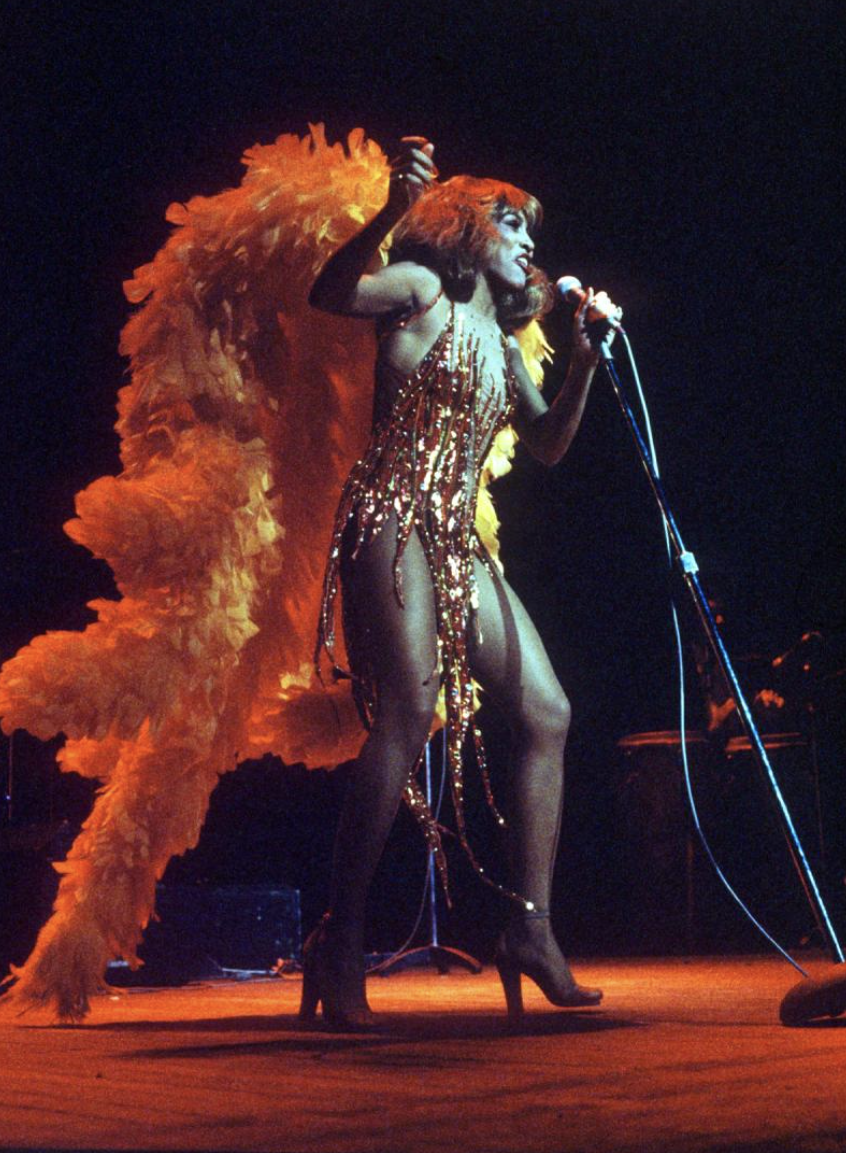
Among the pieces coming to Denver are the fringed black dress worn by Marilyn Monroe as Sugar “Kane” Kowalczyk in Some Like It Hot, a dramatic stage ensemble worn by opera legend Maria Callas, and Tina Turner’s iconic Flame Dress from 1978, designed by legendary costume designer Bob Mackie.
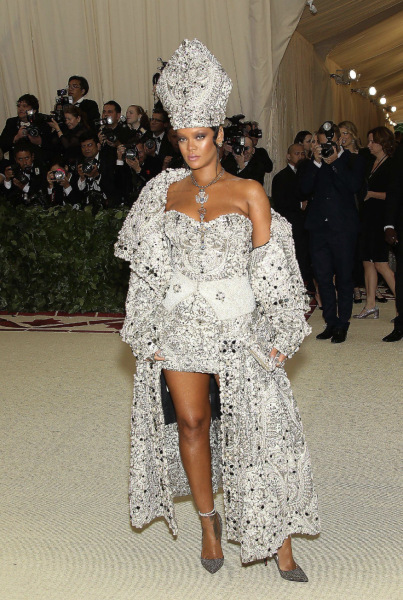
There are also dazzling creations associated with Rihanna, including her unforgettable 2018 Met Gala look by John Galliano for Maison Margiela.
The exhibition demonstrates something that every major performer eventually learns: clothes can become part of the performance.
The right dress can create a character.
The right silhouette can become a signature.
And sometimes one outfit can become as famous as the person wearing it.
That is particularly true with divas.
From opera houses to Hollywood
DIVA begins with the women who helped establish the very idea of the diva.
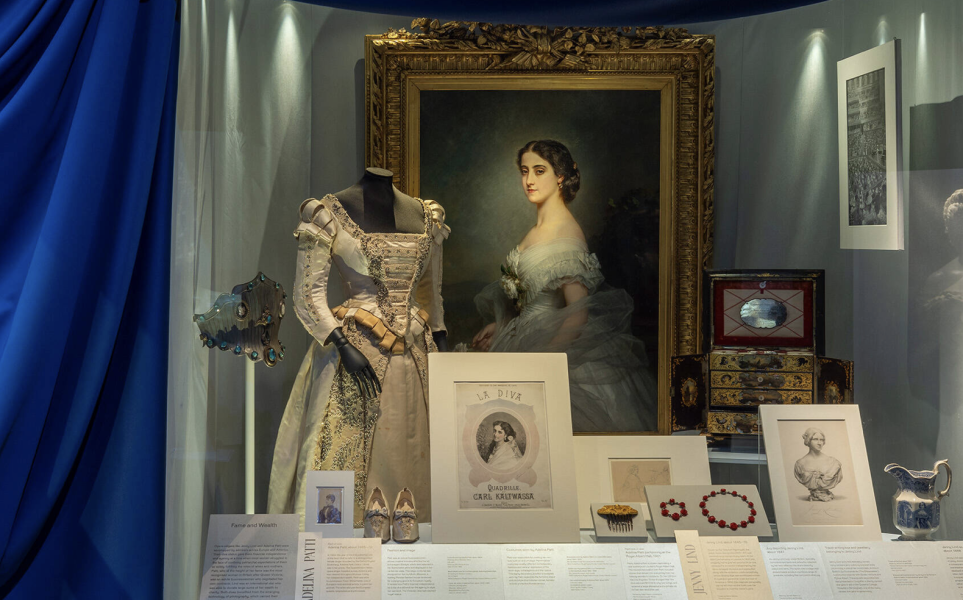
The exhibition travels back to 19th-century opera and performers including Jenny Lind, Maria Malibran, Giuditta Pasta and Adelina Patti—women whose voices made them international stars at a time when female celebrity looked very different from what it does today.
From there, the exhibition moves through the golden age of opera with performers including Maria Callas, Marian Anderson, and Jessye Norman.
Sarah Bernhardt and Eleonora Duse represent the theatrical diva. Isadora Duncan, Carmen Miranda and Josephine Baker bring dance and show business into the picture.
Hollywood follows, with stars including Theda Bara, Clara Bow, Carole Lombard, Marilyn Monroe, Gloria Swanson and Mae West.
The Denver presentation also includes a dedicated look at Mexican film legend María Félix.
When the diva becomes a cultural force
The second half of DIVA shifts the conversation.
Today’s divas don’t simply perform. They build worlds around themselves.
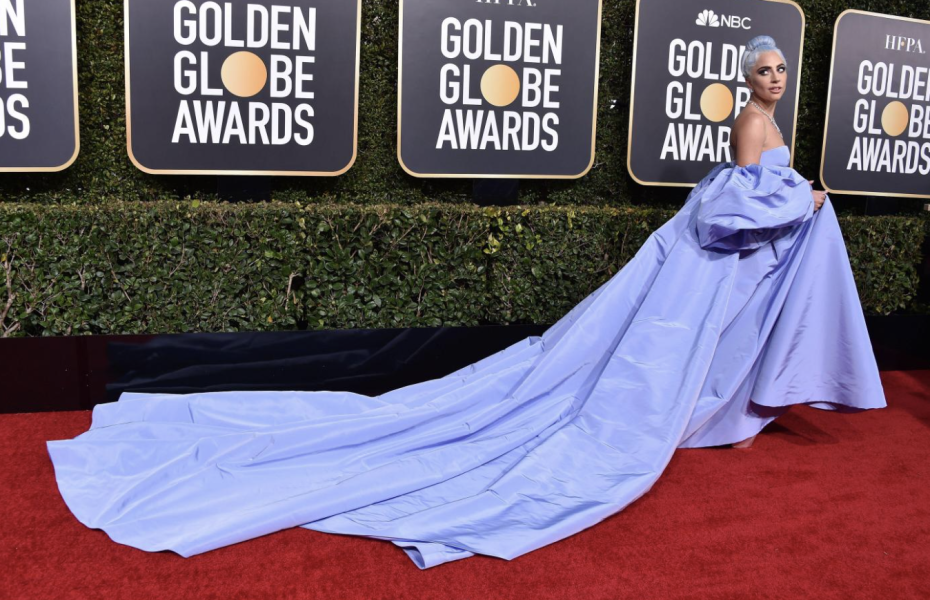
Aretha Franklin. Barbra Streisand. Björk. Cher. Grace Jones. Madonna. Lady Gaga. Rihanna. Tina Turner. Beyoncé. Dolly Parton.
These are performers whose influence extends far beyond their original professions.
Some became actors. Some entrepreneurs. Some activists. Some philanthropists. Some fashion icons.
All became something bigger than a performer.
Beyoncé, for example, transformed the modern idea of the diva into a combination of artistic excellence, business power and cultural influence. Dolly Parton turned an instantly recognizable visual identity into a global entertainment empire while building a philanthropic legacy through initiatives such as her Imagination Library.
DIVA makes the case that fame is not necessarily the final destination.
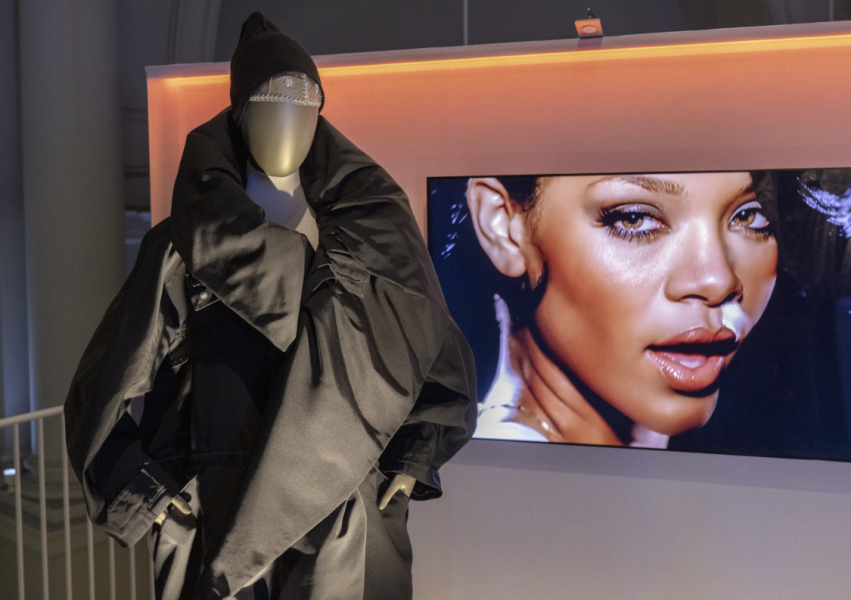
Rihanna, Gaga, Prince and the art of breaking the rules
Another major theme of the exhibition is rebellion.
The section “I Want to Break Free” explores performers who challenge conventional ideas about gender, beauty and identity, including Grace Jones, Janelle Monáe, Lil Nas X, Prince, Annie Lennox, Lizzo and P!nk.
Their presence is important because the modern diva is no longer confined to one particular image.
A diva doesn’t have to wear a ball gown.
She doesn’t have to sound like an opera singer.
She doesn’t even have to fit traditional ideas of femininity.
The contemporary diva can be theatrical, masculine, feminine, androgynous, glamorous, strange, political or all of the above.
The common denominator is the willingness to define the image rather than simply accept one.
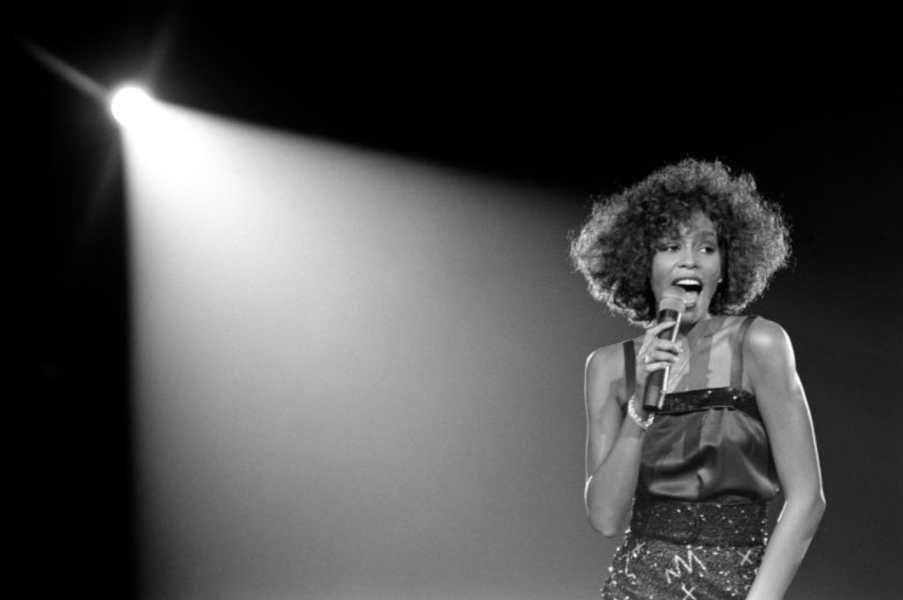
Respect: when a voice becomes activism
Music can change culture, but it can also challenge power.
DIVA explores that idea through “R.E.S.P.E.C.T.,” a section examining performers who used their voices to advocate for political and social change.
Aretha Franklin sits at the center of that story, with “Respect” becoming one of the most recognizable songs associated with empowerment and social change.
Ella Fitzgerald, Eartha Kitt and Nina Simone are also part of the conversation, showing how female performers used their visibility to speak about issues far larger than entertainment.
In this context, being a diva isn’t about demanding attention.
It’s about knowing what to do with it once you have it.
The private person behind the persona
For all the glamour, DIVA also acknowledges the less glamorous side of celebrity.
The “By Myself” section looks at the relationship between public image and private life through performers including Adele, Tina Turner and Amy Winehouse.
It is a reminder that the diva persona is, ultimately, a construction.
The audience sees the costume, the lights, the voice and the carefully choreographed entrance.
Behind it is a person.
That tension—between the woman and the image—is part of what has made the diva such a fascinating cultural figure for generations.
And then there is Cher
It is fitting that DIVA concludes with Cher.
Few performers have made fashion, reinvention and spectacle such a central part of their identity.
The exhibition’s finale features elaborate costumes designed by Bob Mackie, highlighting the extraordinary collaboration between the designer and Cher and Mackie’s role in defining the visual language of the contemporary diva.
It is a fitting finale because the diva has never really been about staying the same.
The great ones reinvent themselves.
Again and again.
So, what exactly is a diva?
Maybe that is the question DIVA wants visitors to answer for themselves.
The word originally suggested a goddess—a woman whose talent seemed almost supernatural. Over time, “diva” became more complicated, sometimes used to describe women who were considered demanding, difficult or simply unwilling to play by the expected rules.
But the performers inside this exhibition suggest another definition.
A diva is someone who understands the power of presence.
Someone who turns performance into identity.
Someone who can take a voice, a costume, a stage and an audience and turn them into something culturally unforgettable.
At the Denver Art Museum this fall, visitors will get to see that transformation happen across more than a century of popular culture.