



On Saturday, August 16th, nearly 800 runners corralled at 4 a.m. in downtown Leadville to begin the infamous namesake 100-miler — a 30-hour out-and-back test of endurance “in the sky.” One hundred miles in itself is no easy feat, and for Leadville, which peaks at over 10,000 feet, the chances of getting across the finish line are even slimmer. Some test their luck in entering the lottery, while others fundraise for organizations like the Life Time Foundation or Colorado Outward Bound School. The rest solidify their spot by joining the Leadville training camp.
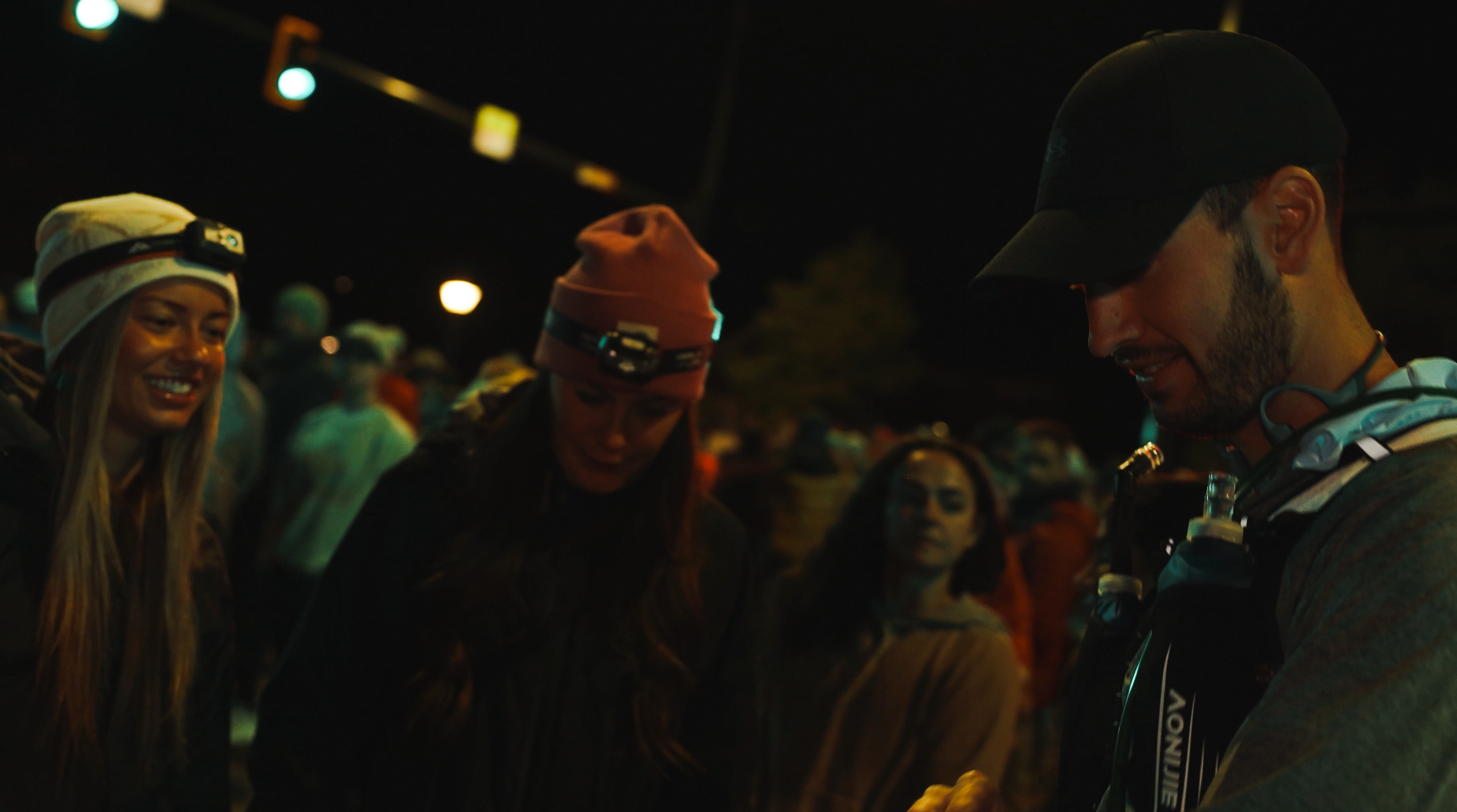
Ultra-runner and first-time 100-miler Jeff Rhodes stood shoulder to shoulder among the sea of racers that morning. The unusual brisk air and almost frosted fingertips were a secondary concern compared to the electricity pulsating in the crowd. Leadville vibrates like no other this time of year, and while Rhodes recognized the gravity of the journey in front of him, he was “just one of many,” he recalled.
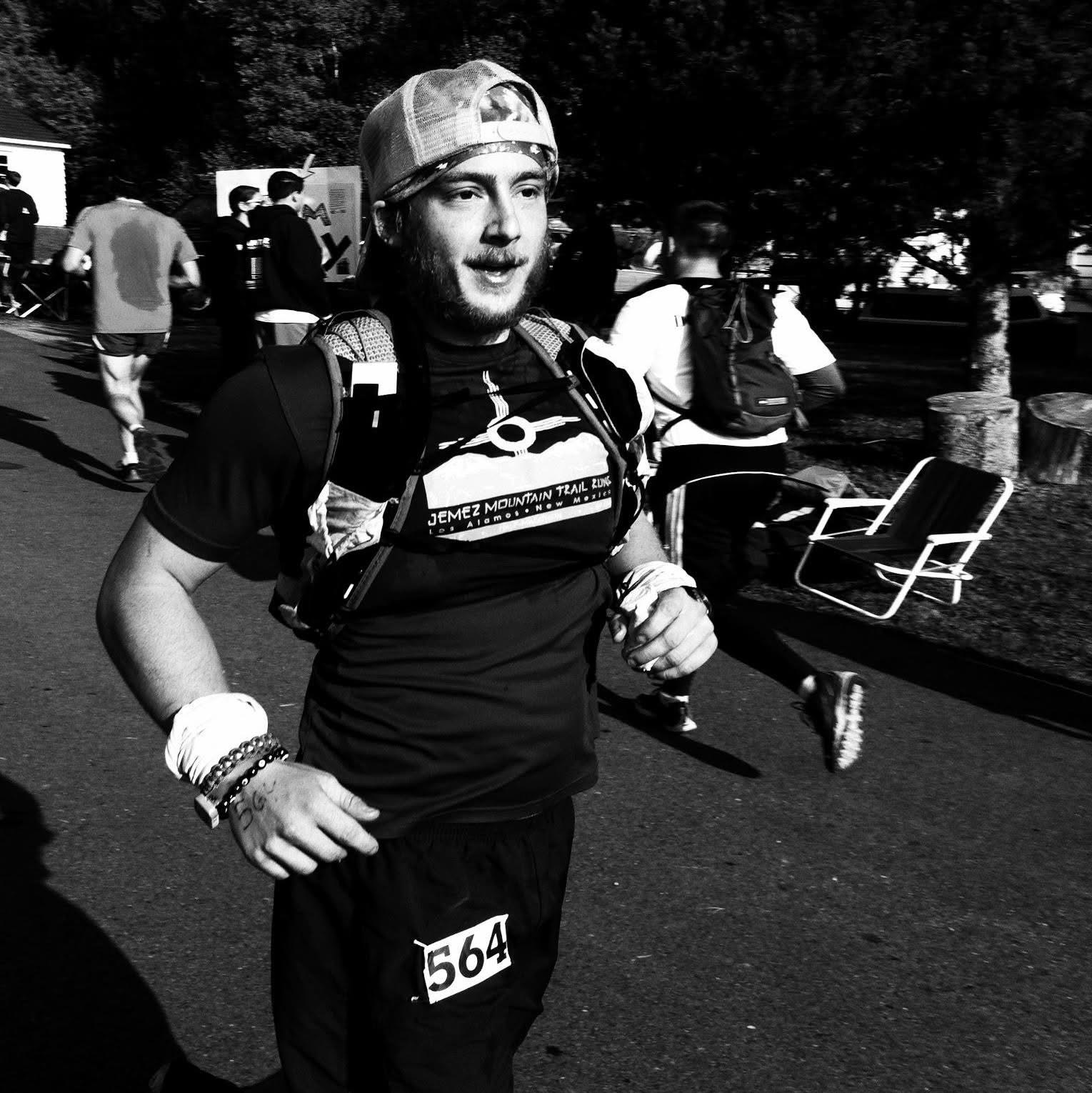
In 2012, seasoned Ultra-runner Rob Howard was also just one of many. It was only his third attempt at the daunting distance, and years later, he “can remember that starting line,” thanks to the sheer volume of people present. While nerves fuzzed his body during those predawn hours, the Leadville mantra, “I commit, I will not quit,” echoed in his mind. This was his first race amongst an actual mountain backdrop, after all.
Both Rhodes and Howard were first drawn to Leadville as pacers, witnessing the race’s grit and magic from the support side. Over the years, the race has grown substantially more popular. Beginning with inviting commentary regarding its validity in the trail running community, it now forges judgmental attitudes surrounding who partakes. Still, the energy that Rhodes and Howard had both experienced rightfully left its mark. Each returned determined to carve out their own place in the race’s storied legacy and accomplish a goal some could only dream of.
As the countdown began, with little time to reflect, music blasted and cameras flashed. Race founders Ken Chlouber and Merilee Maupin stepped to the microphone to officially send the runners on their way and subsequently soothe the inevitable pre-race jitters.
And, in the blink of an eye, the runners were off.
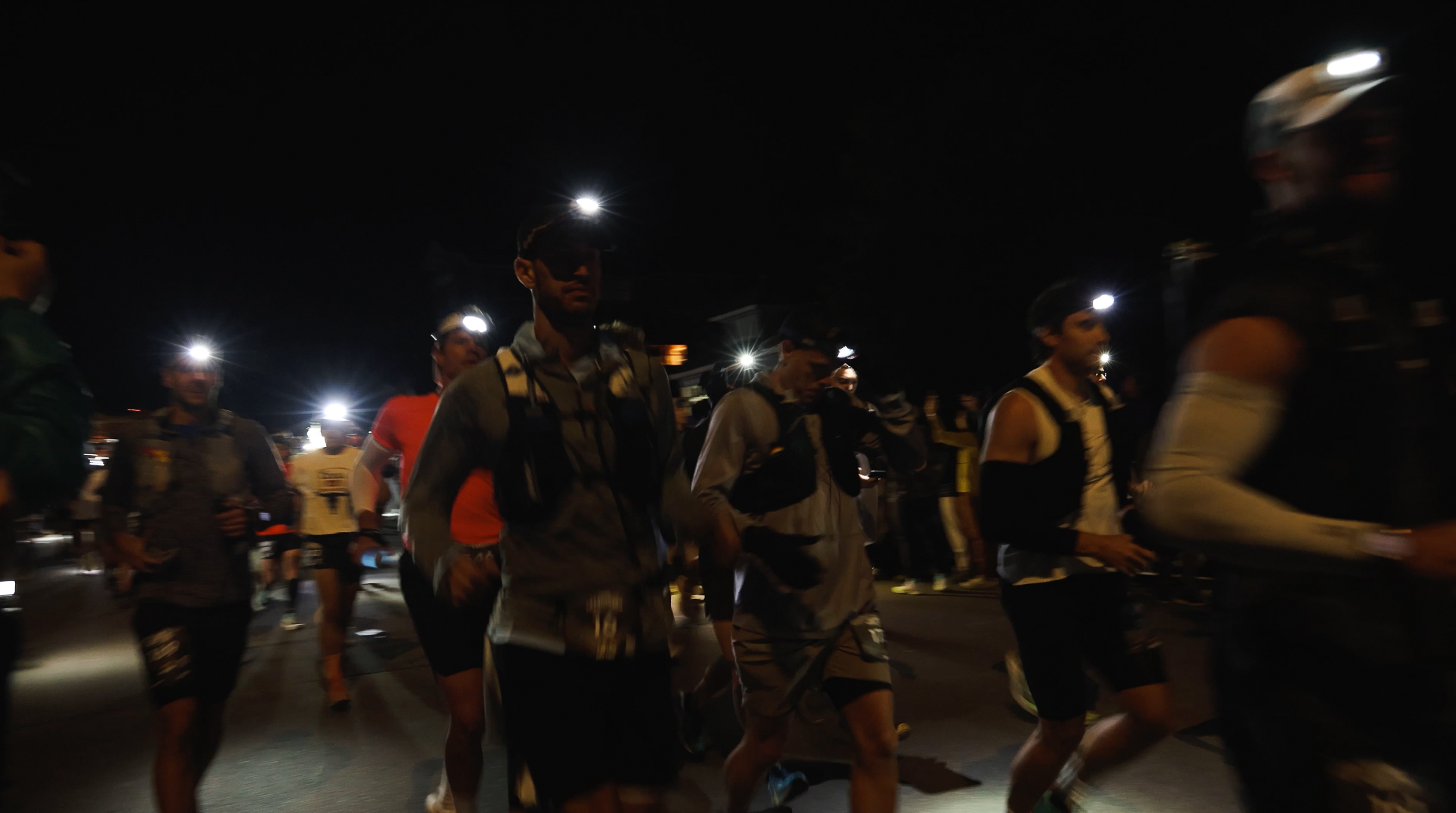
Howard was swept into the clusters of runners, forced out faster than his usual pace. Those first moments blurred together as he ran past Turquoise Lake, all before the sun rose over Leadville. Crews and fans lined the course as Rhodes strategically positioned himself near the front, knowing how quickly the single-track trails would clog.
Howard came through Fish Hatchery aid station outbound, a mile sooner than the new Outward Bound aid station. The race was still in its early stages, and his spirits remained high with his body in relatively good condition, considering he was already close to a marathon in.
Rhodes arrived at his first crew stop, the Outward Bound aid station, where he enjoyed a mostly cold breakfast burrito covered in honey. He responded lacklusterly to his crew’s questions regarding how he felt. But through some grunts and moans, he finished his burrito and went off on the following few miles alone till he would meet his crew again at Twin Lakes.
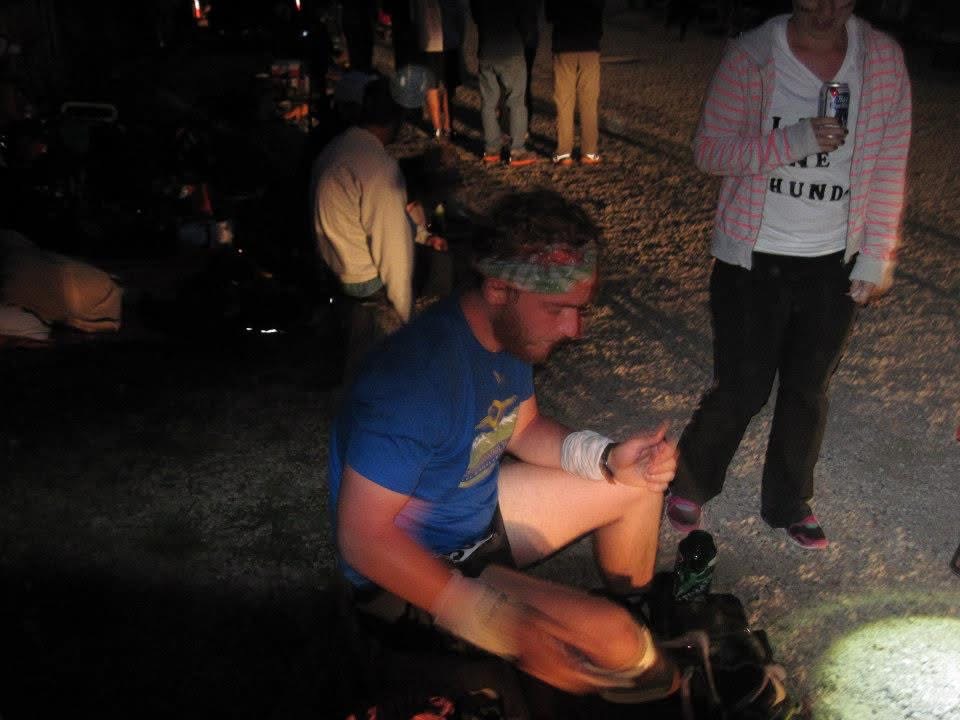
Twin Lakes aid station is notorious for being the party stop at the Leadville 100. Most crews wait there for hours, greeting their runner twice. The small, cinematic town is pulled straight out of a Western classic, with an old schoolhouse ringing in each runner’s arrival and a dance hall overflowing with more people than it was ever meant to hold. Both Rhodes and Howard reached Twin Lakes outbound, where crews worked quickly. Some passed off soda, others taped black toenails, while the rest forced down more ramen than a college freshman at the University of Colorado, Boulder, usually consumes in a semester.
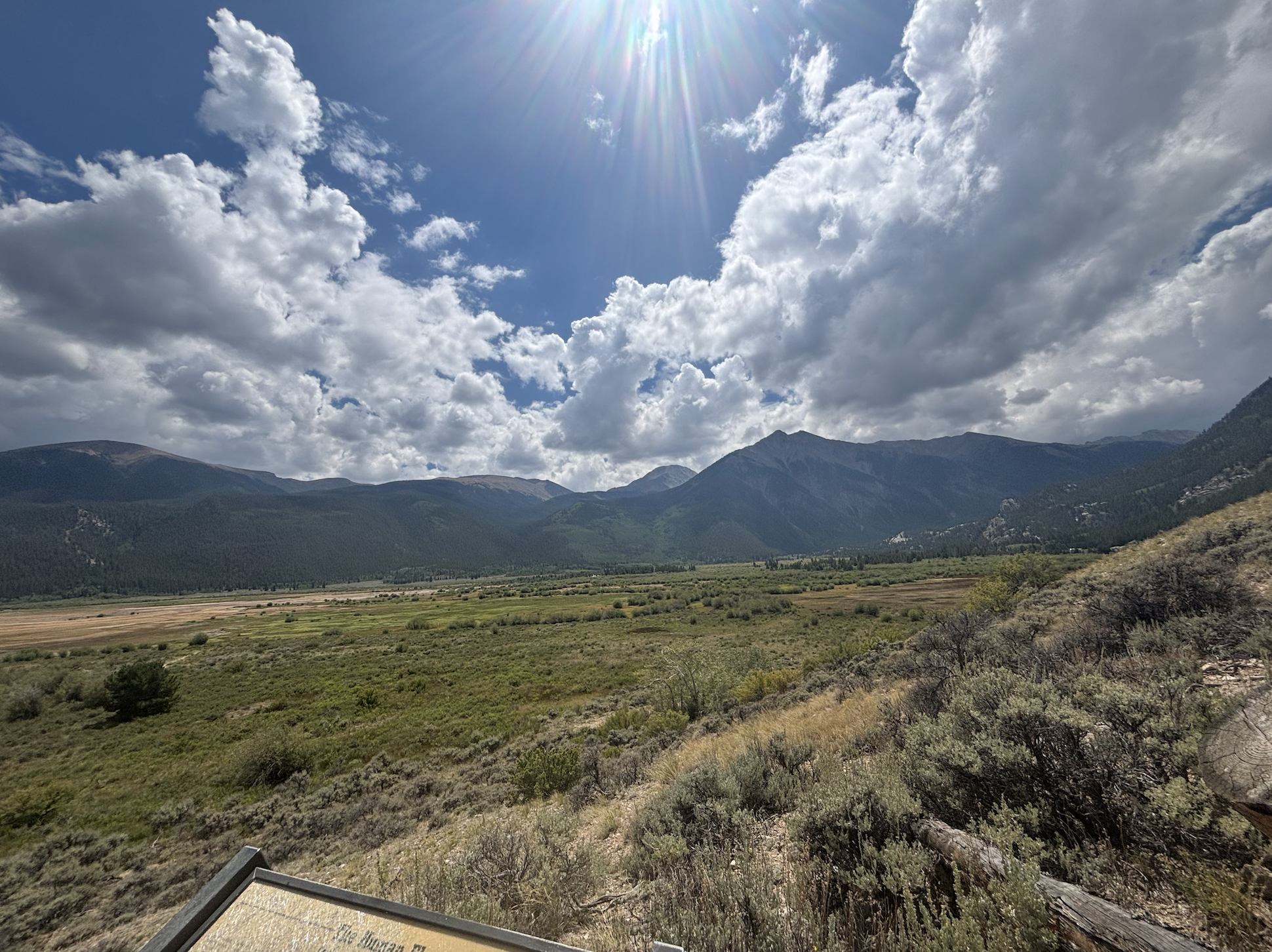
In the distance, Hope Pass, the crux of the Leadville 100, loomed innocuously. Runners knew they were about to face the race’s steepest climb, summiting above 12,000 feet. No chorus of cowbells from crews, nor even the surprise of burrows at the top, could soften the toll of Hope Pass.
Rhodes exited Twin Lakes and plunged through the river crossing, trail shoes and all, beginning the four-mile stretch that climbed 3,500 feet straight up. He had promised himself he wouldn’t stop, no matter how tough it became.
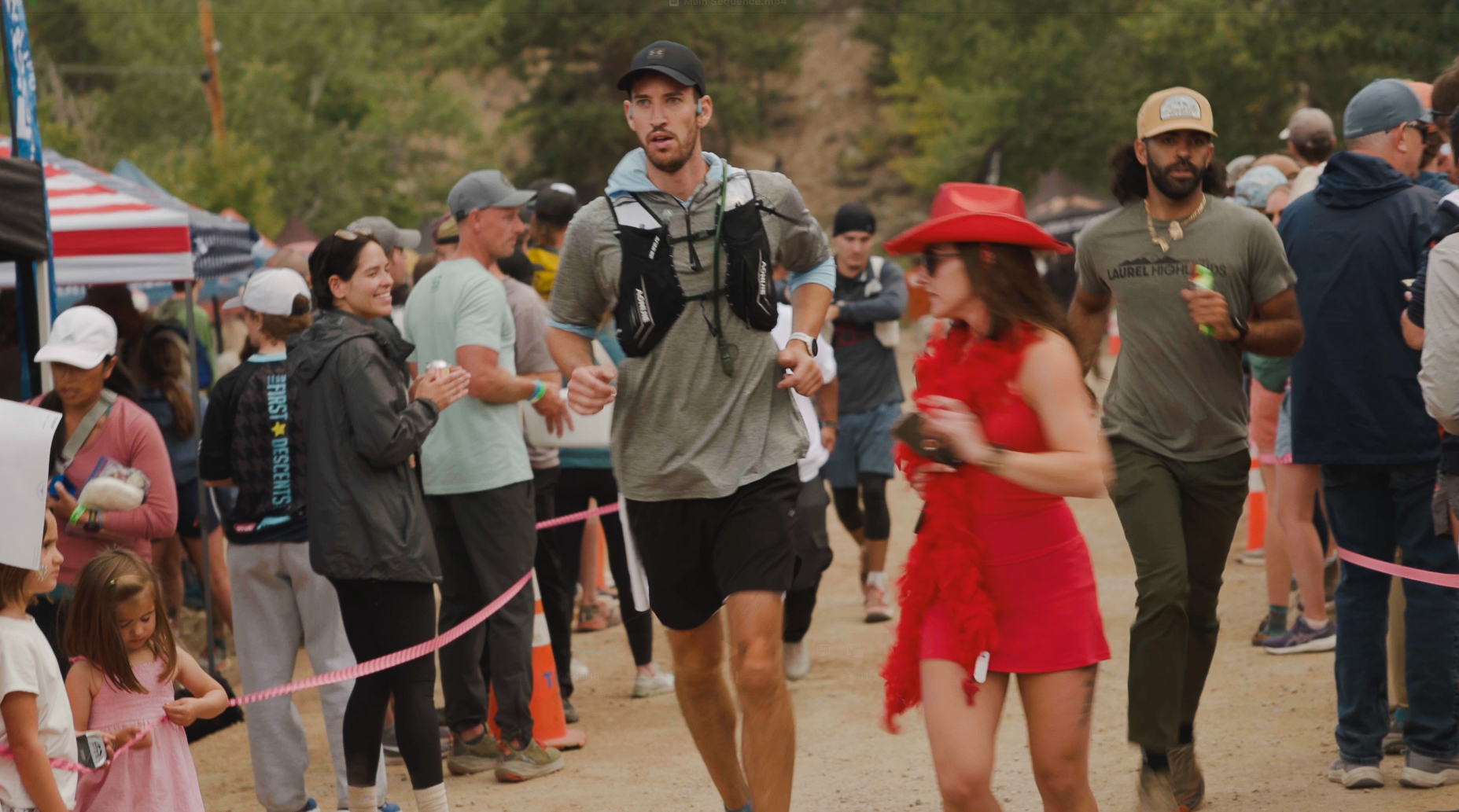
But, as Rhodes stared at the climb, the thought I want to quit spiraled in his mind for the first time. He called his girlfriend and crew member, Rachel Kuhn, who reminded him to “dig deep” while celebrating the surprising amount of strength in his body. Rhodes managed to hike up to Hopeless aid station, 700 yards from the true summit of Hope Pass, before trekking down the back side towards Winfield aid station, the official halfway point of the race. There, Rhodes sat down, refueled and solemnly noted the runners dropping like flies around him.
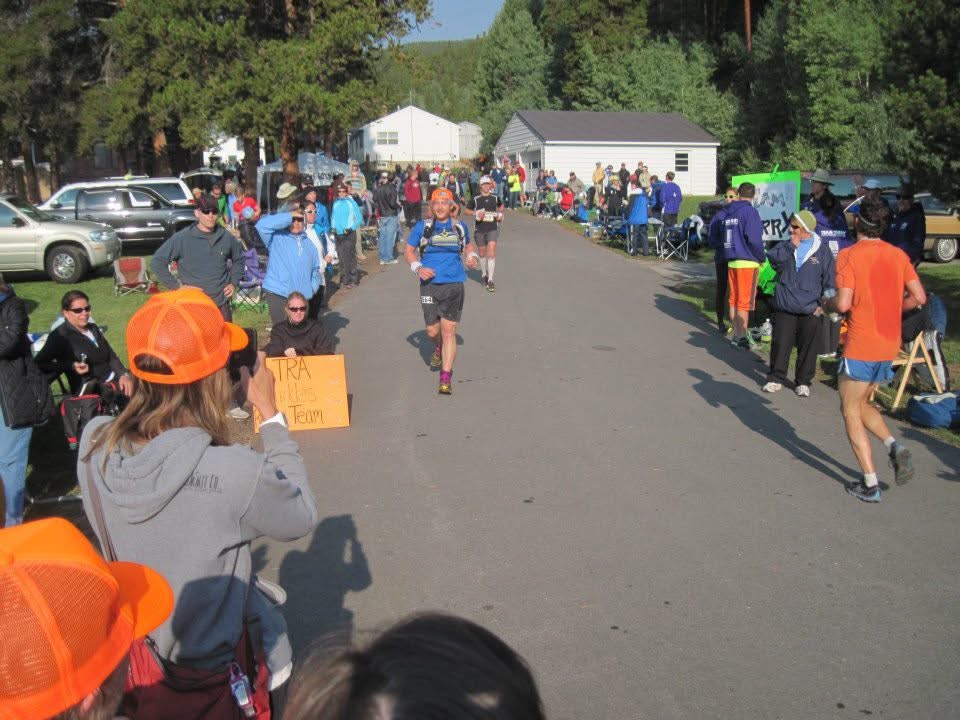
Luckily for Howard, Winfield marked the point where he could pick up his first pacer, Mallory McCormick. McCormick, like other pacers, joins runners on certain legs of the run to provide moral support and helps keep them in stride. In 2012, pacers and crew were allowed to meet their runners at Winfield when the runner-to-car ratio was lower, a gift no longer allotted in modern times. McCormick took Howard back up over Hope Pass, passing the summit’s prayer flags. Though it’s shorter, that return climb is steeper, with nearly 6,500 feet crammed into one section.
Howard and McCormick returned to Hopeless aid station inbound, where he experienced novel knee pain. He resorted to crushing up Tylenol into mashed potatoes, a questionable consumption choice, and leaned into McCormick’s energy. She brought him through the theoretically more runnable downhill section towards Twin Lakes inbound, where crews sat eagerly waiting for their runners to return.
Rhodes and Howard arrived at Twin Lakes inbound, taking in as many calories as they could. Back then, Howard fueled mostly on Vfuel gels – a brand owned by a friend who supplied his running group, “The Special Idiots.” Still new to ultra-running, he ate whatever felt manageable at the time. Looking back now, he admits, “If I were to run that race today, it would look vastly different.”
Rhodes cheered that he made “Hope Pass his bitch” as he scarfed down ramen, LMNT electrolytes and ginger ale while his crew worked frantically around him, prepping for the next stretch where his first pacer, Jon Liauw, would join. The energized atmosphere quickly shifted as Rhodes abruptly leaned over the fence at his crew station, vomiting immediately. After a quick round of medication, Liauw shouldered supplies, and together they began the steep 2,000-foot climb out of Twin Lakes, bracing for the dreaded night section.
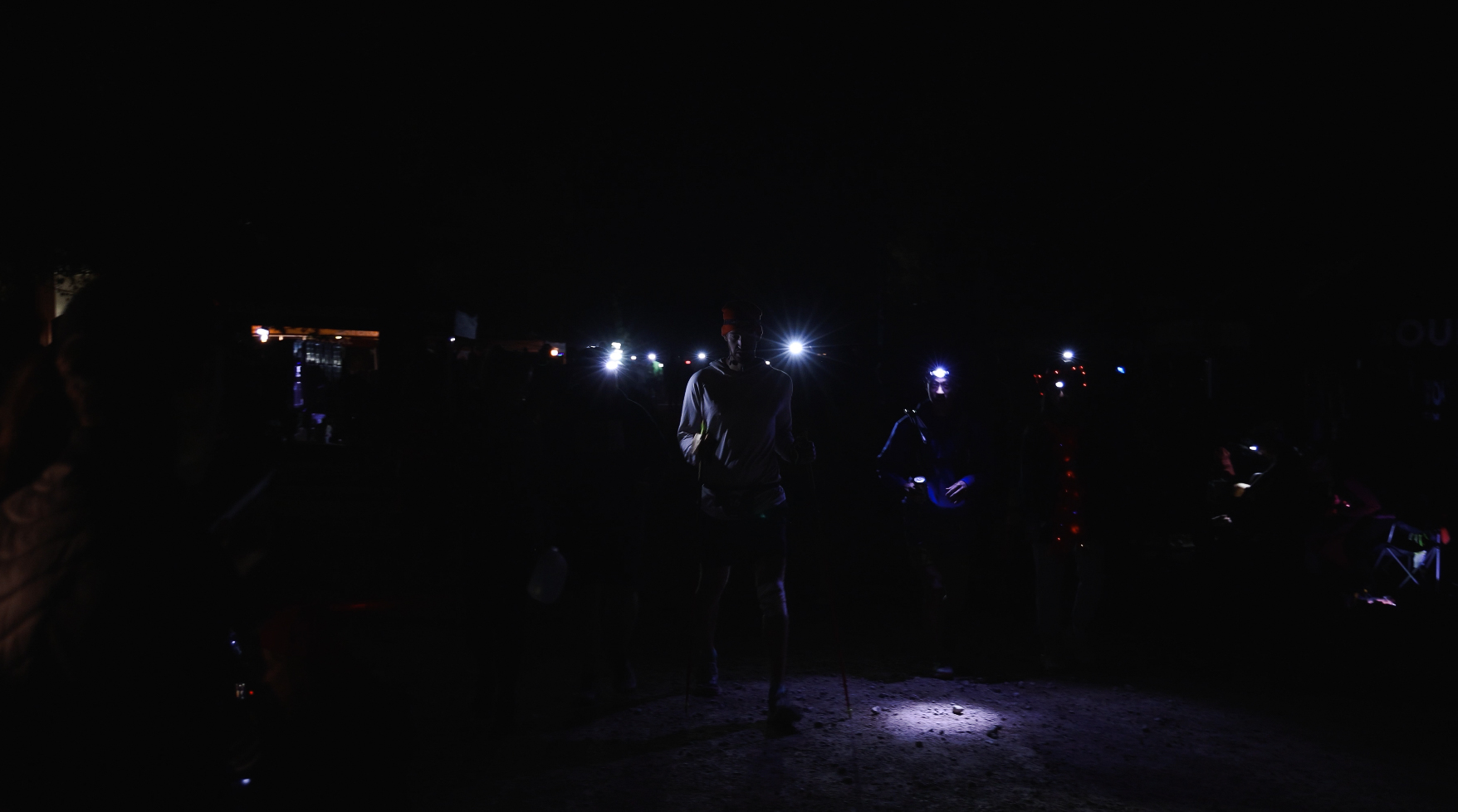
Liauw guided Rhodes through the early miles before they reached Pipeline aid station inbound. Though set in the middle of nowhere, the volunteers had turned it into a full-blown party with rave-reminiscent lights strung up and music crescendoing in the dark. Unfortunately, Rhodes could hardly see it. His right eye began to fade due to corneal edema – a condition that causes severe blurred vision when running at high altitude, something neither he nor his crew ever knew was possible.
Howard’s knee pain continued to worsen, and at mile 70, he looked to second pacer Dan Zubi for support. Zubi pulled a mystery pile of pills out of his pocket for Howard to select from, hoping one would be a pain reliever. Howard popped the first one he saw due to its striking resemblance to that of a standard Tylenol pill.
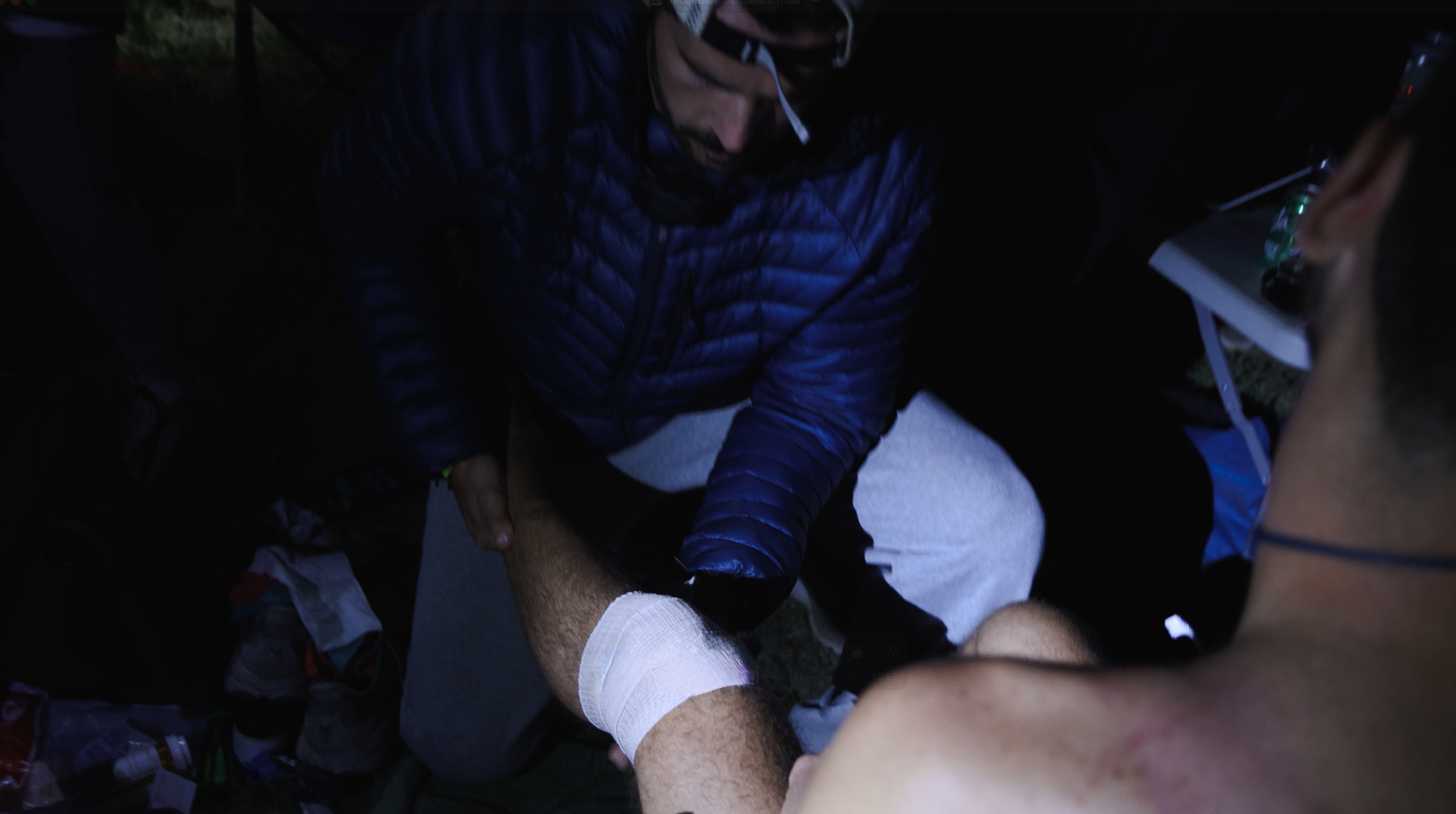
Rhodes’ eyesight declined further as his next pacer, Duncan Mollner, met him at the Outward Bound aid station inbound. There, Rhodes tried swapping out his contacts in hopes of clearing his sight, while Mollner wrapped his knee and the crew coaxed him with rice and soy sauce. It was “too dry,” though, according to Rhodes. Regardless, the two set off, Mollner guiding him through the treacherous trails and near-spiritual nocturnal haze. Along the way, they passed the infamous unofficial aid station known as “Space Camp.” A scene akin to that of Burning Man, where runners were offered cannabis, tequila shots or any vice appropriate for their spaced-out states.
Howard picked up his final pacer Andrew Labbe at Mayqueen aid station inbound, and the two made their way back around Turquoise Lake. Howard and Labbe passed the nearby boat ramp where a group of lawn chairs sat. These chairs, though, began to hover inches off the ground. Howard’s eyebrow arched at the sight, despite Labbe seemingly oblivious to any spooky activity. One chair gained speed towards them. Howard shouted, “Look out!” while launching himself to the side of the trail. Startled, Labbe asked concerningly, “What’s happening?” as Howard scrambled to safety.
Howard had taken a Tylenol earlier. The PM version, that is.
Rhodes and his last pacer Kuhn pressed on towards the finish, outlined by the sunrise. Kuhn knew she had one of the toughest pacing jobs — getting Rhodes in under the cutoff. She kept his morale high while reminding him they were “in the red” for his finish time, even if they may have had more cushion than she let on.
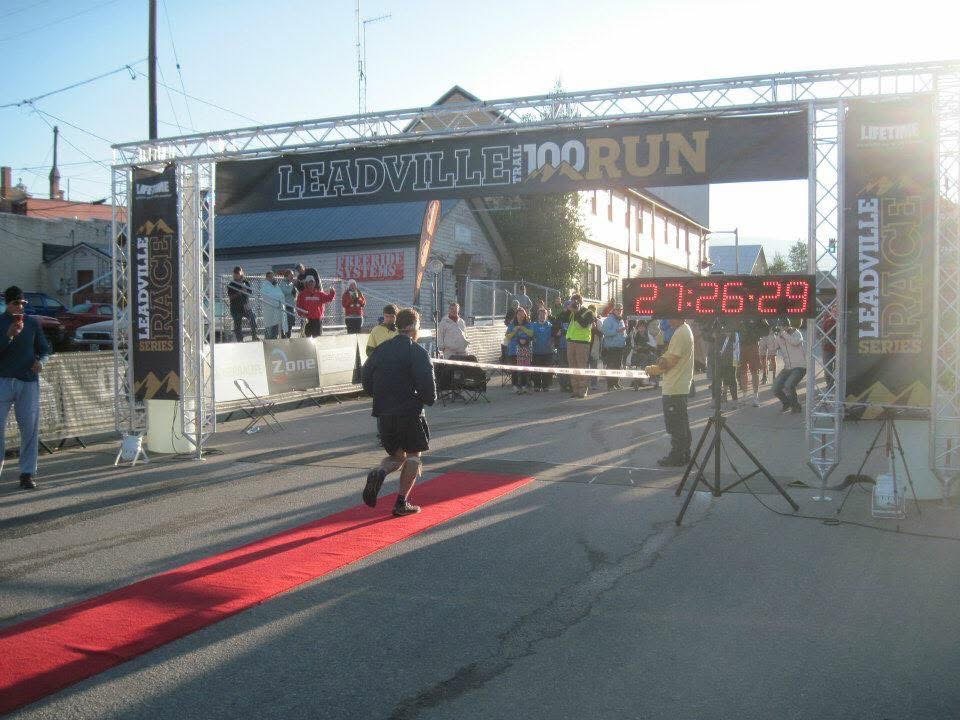
Howard managed to make peace with the angry chairs and continued onward. At Leadville, one of the most coveted milestones is breaking 25 hours, which earns runners the elusive “big buckle,” while those finishing under the 30-hour cutoff receive the smaller, still glorious version. Runners arrive in waves as the clock ticks down, and when the near golden hour wrapped around Howard, he crossed the line in 27 hours and change. Only a handful of people were awake to witness it, but to him it was still “the coolest place to be.”
Rhodes and Kuhn neared the finish line, joined by the rest of his crew for the final half mile. His eyesight had deteriorated so badly that all he could make out were blurred shapes the size of adults and the barely legible crew names hennaed on his arm. Those final moments proved bittersweet. The achievement was undeniable, yet he couldn’t fully witness the reality of his dream made true. In the end, he realized that maybe, “You don’t need eyesight to achieve a vision.”
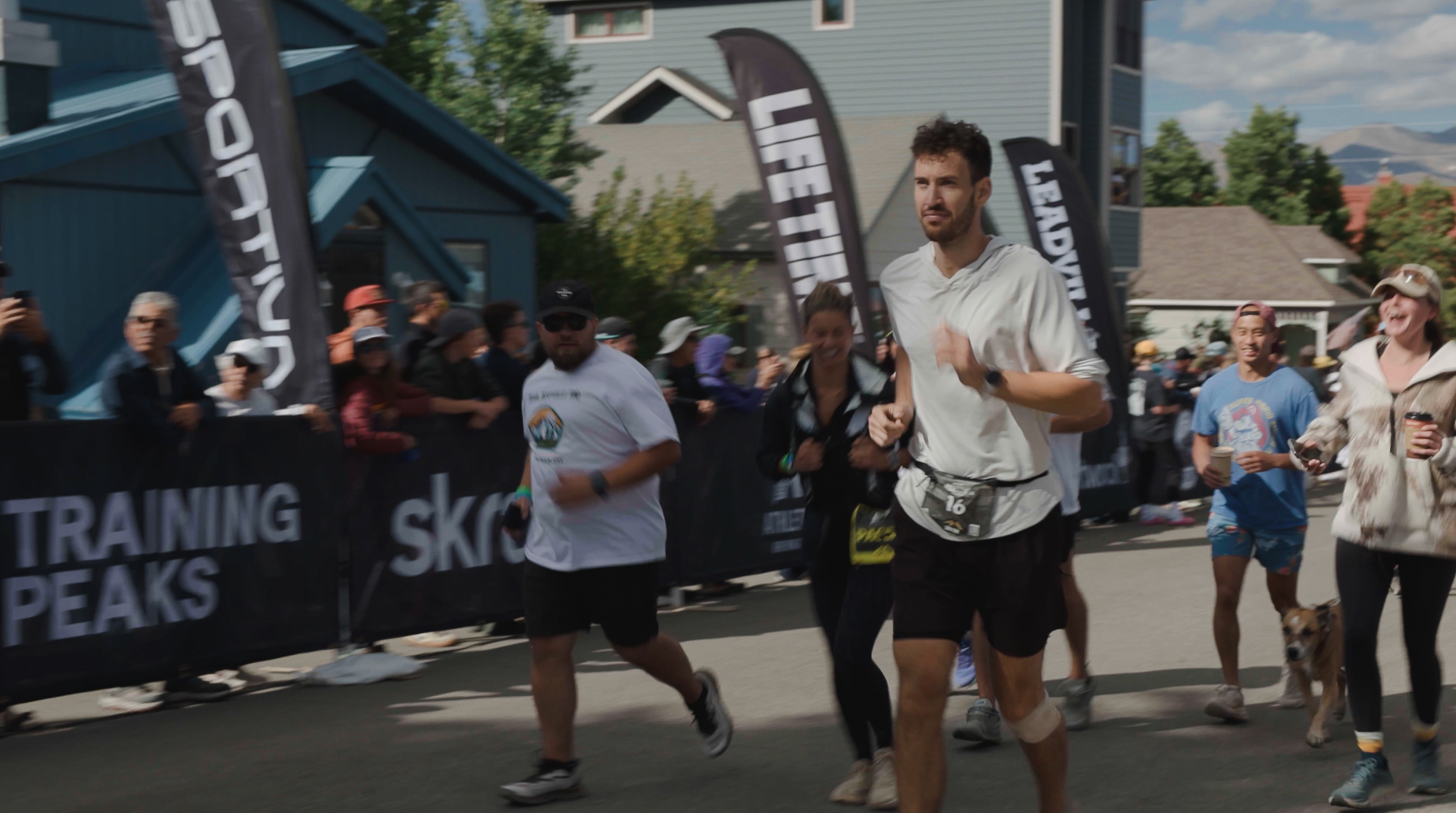
Both Rhodes and Howard made their mark on the Leadville 100-miler. A race born to lift a struggling mining town, now bigger and more popular than ever. With influencers on the course and just as many videographers as crew members, what was once a niche proving-ground has become an endurance spectacle, the sport’s next “it-girl.”
And yet, beneath the cameras, a shifting culture and ever-present changes, one thing remains.
100 miles is still 100 miles.