Holly Square is different now. Originally known as the Park Hill Shopping Center in the 1950s and 60s, Holly Square has long served as a main hub in Denver’s Northeast Park Hill neighborhood. But much like any landmark with such an extensive history, it’s seen its fair share of changes — both good and bad.
By the 1980s, the Holly had become ground zero for Denver’s first set of the Bloods gang, and the resulting disputes with local rivals culminated in the shopping center being firebombed and burned down in 2008. Thankfully, a new community center was built on the site, with reform at the forefront of everyone’s minds. There were additional efforts to quell the ongoing violence and unite the neighborhood. But those hit a large speed bump after a 2013 shooting of a Bloods gang member by a local activist made national news.
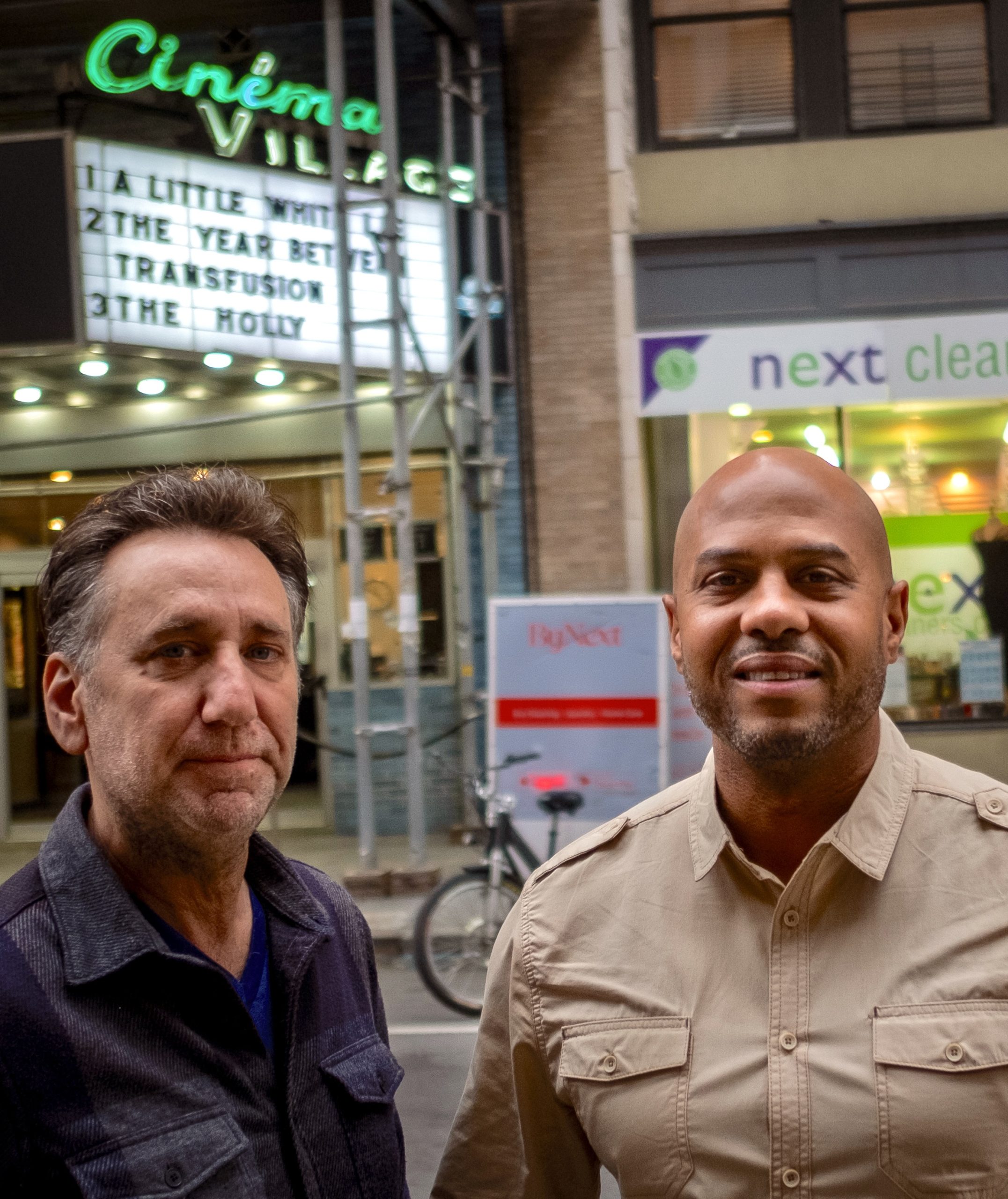
Julian Rubinstein, writer and director of the Emmy Award-winning documentary The Holly, grew up in Denver, and while he was living in New York at the time he conceived the project, he recognized the potential for a story that ran much deeper than the headline. “I had always wanted to do a story about Denver, but had never found one,” Rubinstein said. “Reading about the shooting in The New York Times, I quickly realized that there were more questions than answers.”
After securing a book deal, he went to work. “I had started researching so much about the neighborhood, which is such a fascinating and historical part of Denver. I had an idea of how the arc of the book would go, but what I didn’t know, and quickly realized, was that I was standing in the middle of a potentially great documentary. That concept didn’t feel completely foreign to me as a journalist and a long-form storyteller. So I started asking some of the people in the story, especially Terrance Roberts, how they’d feel if I were filming, and they were ok with it. You really can’t do a documentary without having that level of access. And one of the reasons I thought it’d be so compelling was Roberts. He’s a very compelling person in person, and I could see how that would translate on screen.”
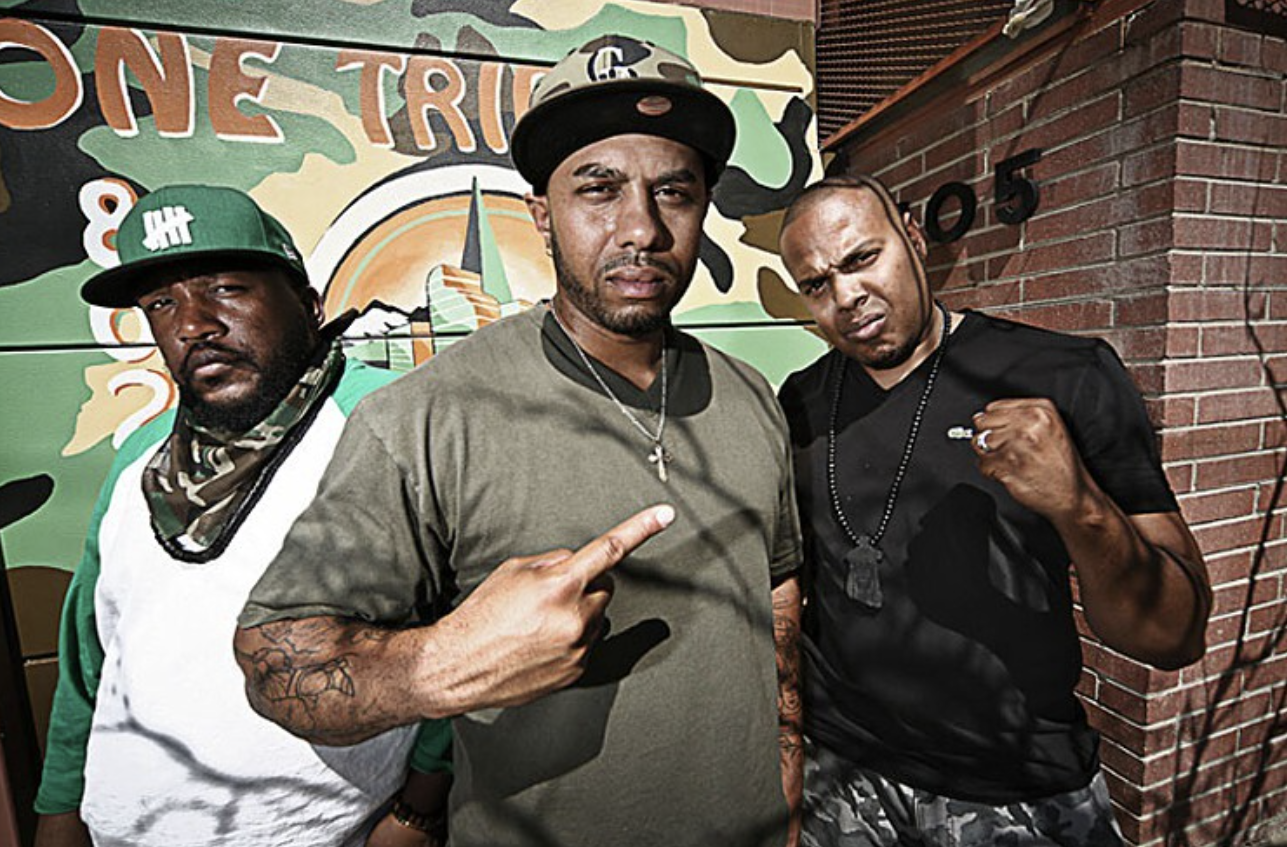
Roberts, a reformed Bloods member turned community leader and activist, was the shooter in the 2013 incident and is the main focus of the film. While Roberts is the story’s crux, the neighborhood’s evolution defines the narrative. Roberts helped build the community center and basketball courts, which still stand on the site of the old shopping center, and was and is a driving force in the area’s youth outreach and gang diversion. Throughout the time Rubinstein was compiling his research, Roberts was still awaiting trial for the incident. “There were so many questions around what happened on the day of the shooting, and so many things around it that were very much alive. They were very much in the process of Act III, so to speak,” Rubinstein said.
It was many of these concerns that led to further inquiries about an even deeper-seated issue than gang violence — the relationship between elected officials, developers, police and the community at large. What Rubinstein was able to uncover and document in The Holly sheds a bright light on these issues. “The findings are akin to a new COINTELPRO, a program under J. Edgar Hoover and the FBI in the 1970s whose aim was, in many ways, to take out black leaders. At some length, they compare. What I saw in Denver was a systematic and deliberate use of criminal organizations, especially gang informants, to take down community leaders of color. All this has been carried out by elected officials, law enforcement and developers. Among the findings was a clear connection to gentrification and violence.”
Gentrification remains a hot-button issue, but with the negative impacts being so thoroughly documented, it can’t be ignored. The rate of gentrification in large cities has skyrocketed since the 1970s, and Denver ranks among the top five for percentages since 2010.
“Some of those things about gentrification have been seen and understood in Denver. But I thought this story was also kind of showing how power works, the kind of power structures that can undermine voices that they’re not willing to entertain or consider in what the bigger plan is. There were different entities, such as law enforcement, elected officials and developers, who may not have agreed on everything, but there were concentric circles that were in agreement on certain issues and shared goals. And when they’re all put together, there’s some significant ability to get those done — even if it means using gang informants to carry out things that maybe aren’t even legal,” said Rubinstein.
To wit, here are a few links provided by Rubinstein of Roberts confronting then-Mayoral candidate Mike Johnston, along with former Mayor Michael Hancock skirting the issue.
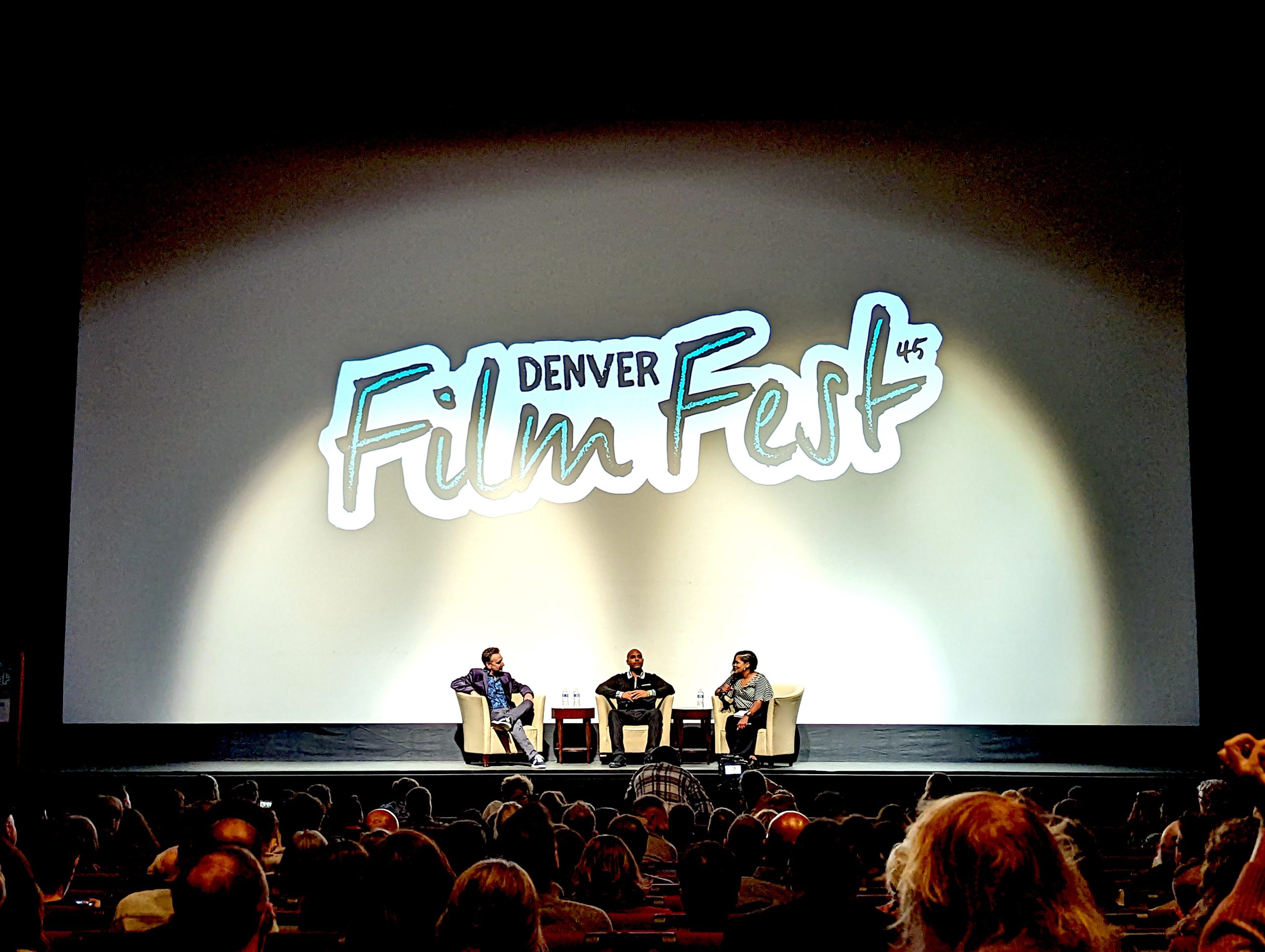
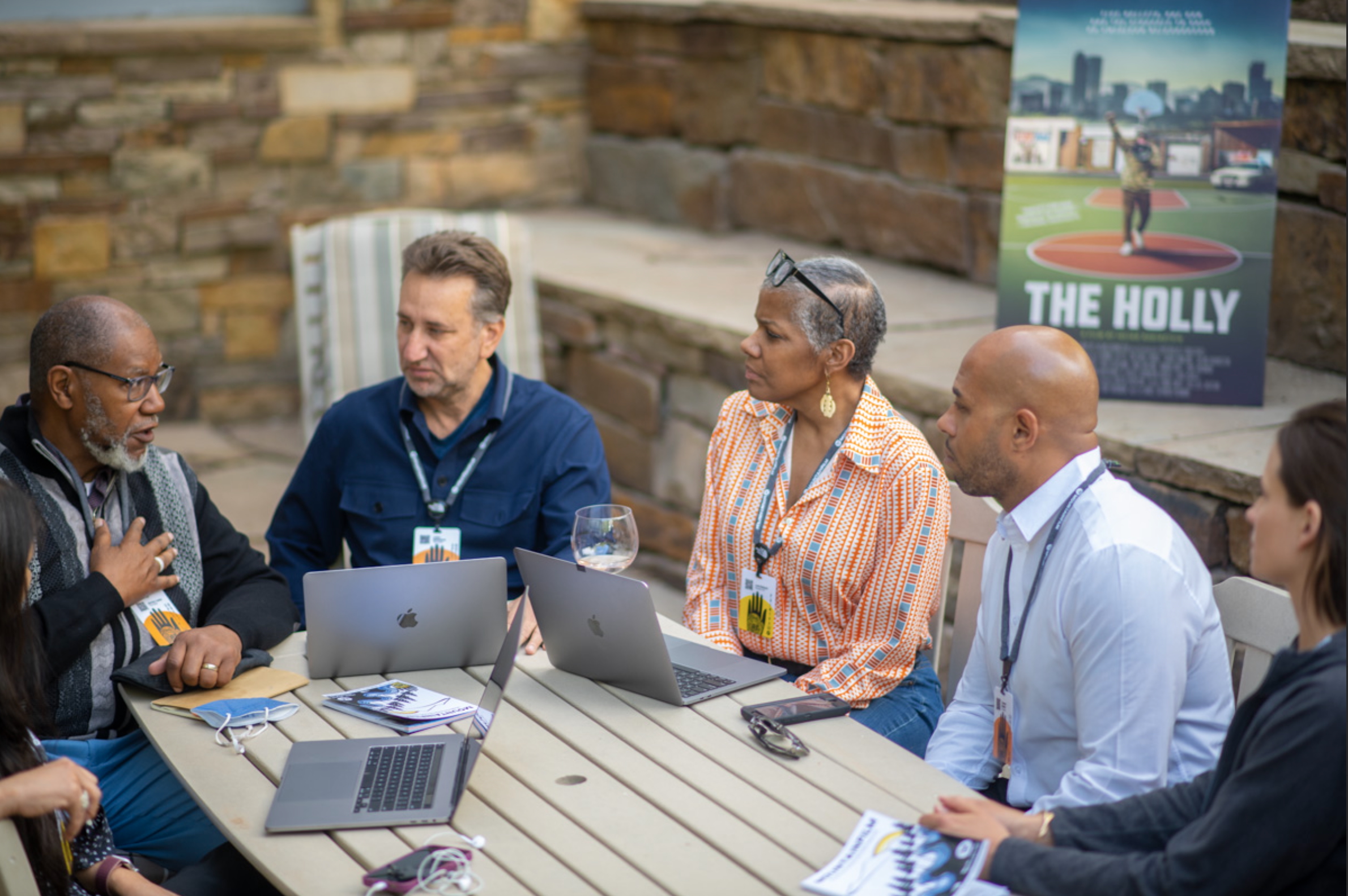
As with any exploration of a tight-knit community, especially one like Park Hill, the process can be touchy and the results polarizing. However, the support from the neighborhood has been notable to say the least, to hear Rubinstein tell it, “We had to move another screening to the Elle Caulkins Opera House, which is well over 2000 seats, which was amazing. People of color were about half of the audience, a lot from the neighborhood. They were so animated during it, and they were voting for us for the Audience Award. It was a large number of people who are both in the film, connected to the community and have supported it all throughout.”
Despite not being from the neighborhood, as some detractors have pointed out, Rubinstein counters with journalistic integrity and an objective lens. “Many people from the neighborhood told me that only someone from outside the neighborhood could have told this story. If someone from the neighborhood wants to tell it, great. But it isn’t my story, I’m not trying to own it. I saw the story as a journalist and worked hard to tell it. I know a lot of people from the neighborhood felt that this was the story they hoped would be told, and they appreciated it. So I’m glad for that.”
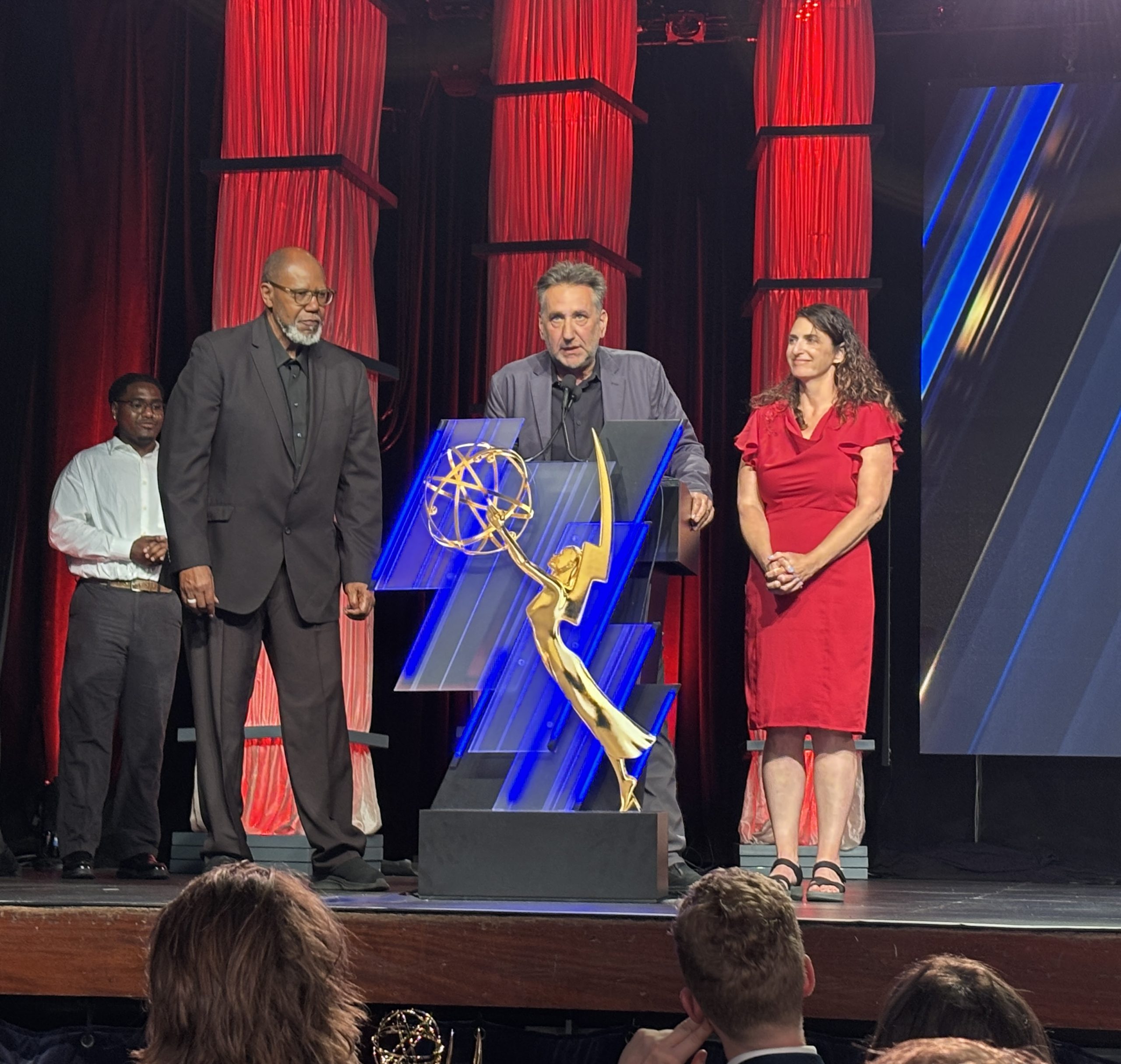
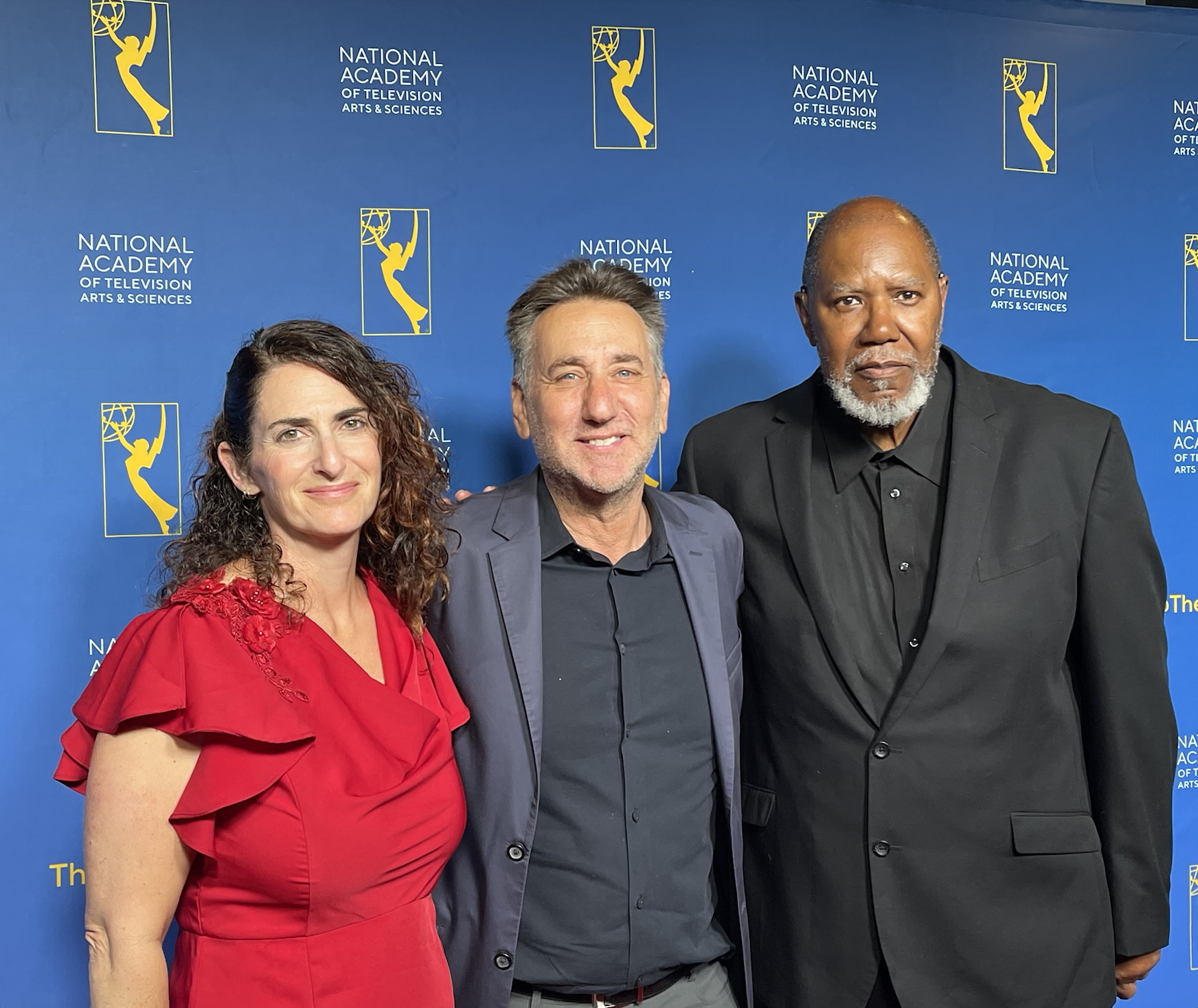
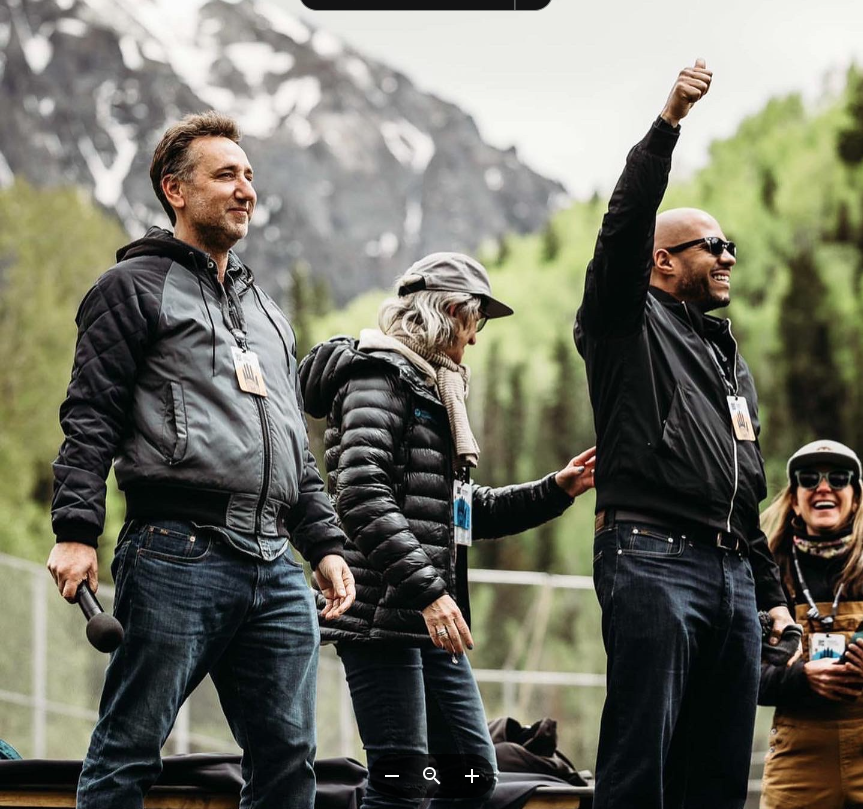
If anything, the proof of the message’s efficacy and authenticity is in the groundswell of local community and audience support, not to mention the accolades. These include sold-out screenings at the Denver Botanic Gardens, a near sell-out of the Elle Caulkins Opera House, the Audience Award for Best Documentary Feature at the 2022 Denver Film Festival and ultimately the 2025 National Emmy for Outstanding Regional Documentary. It’s the type of investigative journalism and storytelling made famous by muckrakers like Ida B. Wells and Upton Sinclair. Chicago has The Jungle, Denver has The Holly.
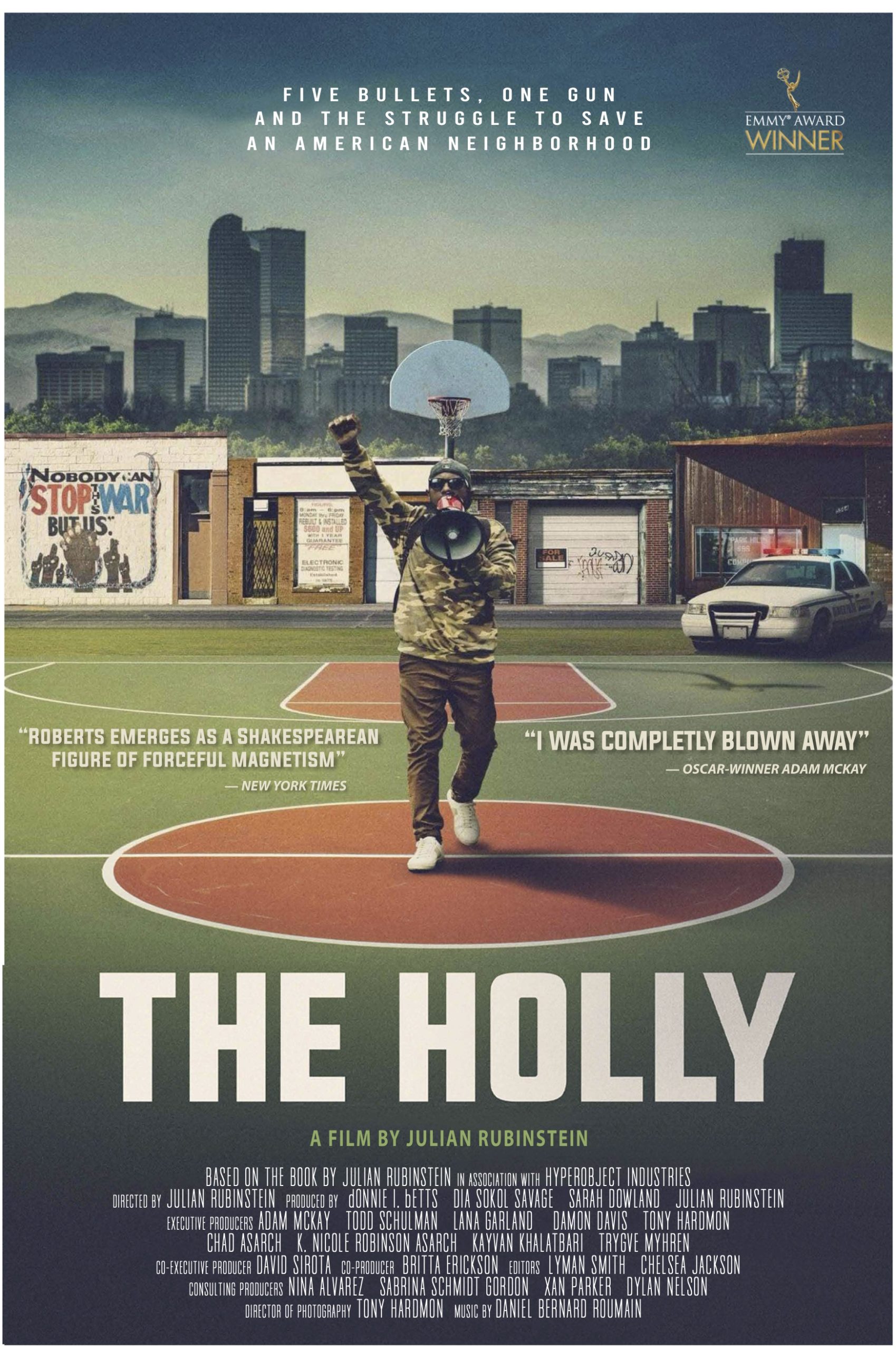
The Holly is also available for streaming on Apple TV, Amazon Prime, and Tubi.
The book that inspired the film is also available here.
All photography courtesy of Julian Rubinstein.