






In a fashion world that often glorifies the cinched waist, through belts, boning or bodycon fits, the return of the invisible waist feels almost radical.
Loose silhouettes, boxy dresses and oversized tailoring are stepping back into the spotlight, offering an alternative to the body hugging aesthetics that dominated much of the early 2000s. But this trend isn’t just about shape, it’s about shifting the narrative. As society increasingly questions outdated beauty standards, the invisible waist is emerging not just as a style choice, but as a statement.
Why It Ever Left (And Why It’s Back)
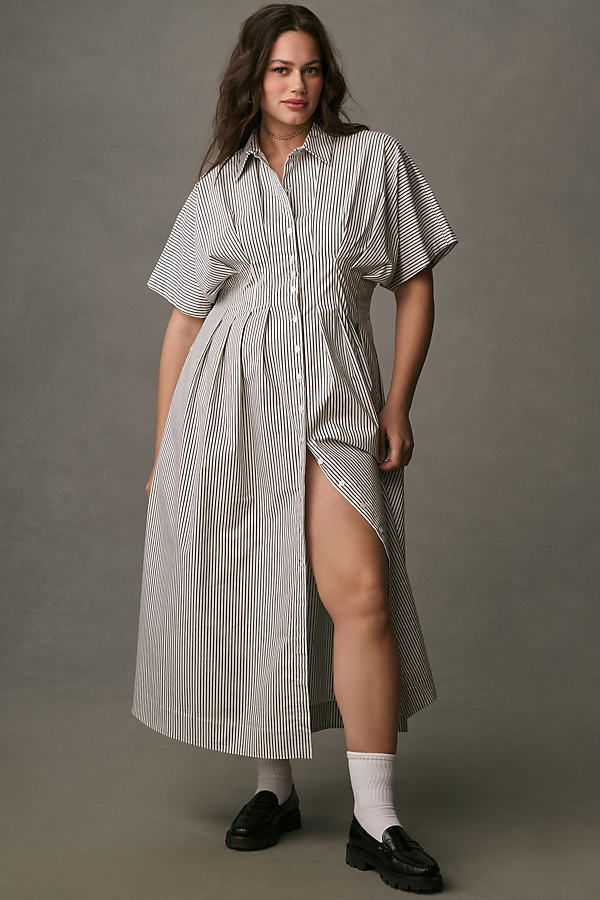
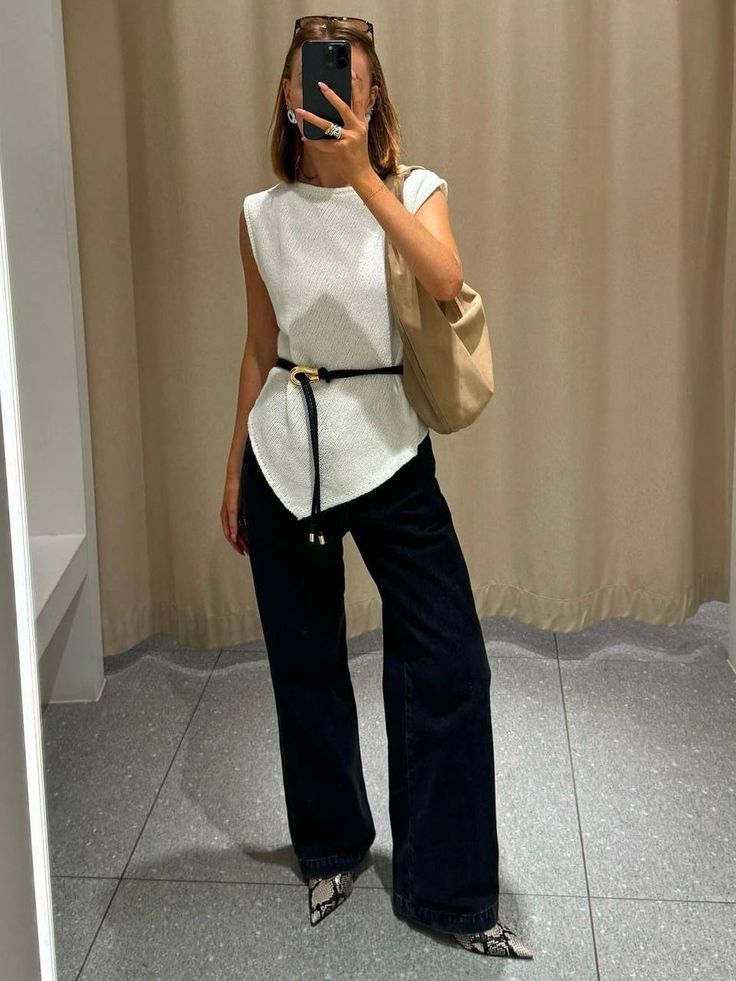
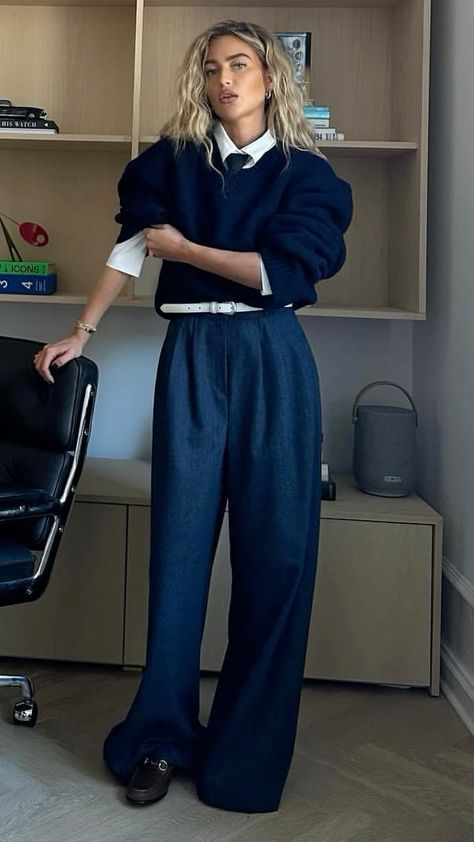
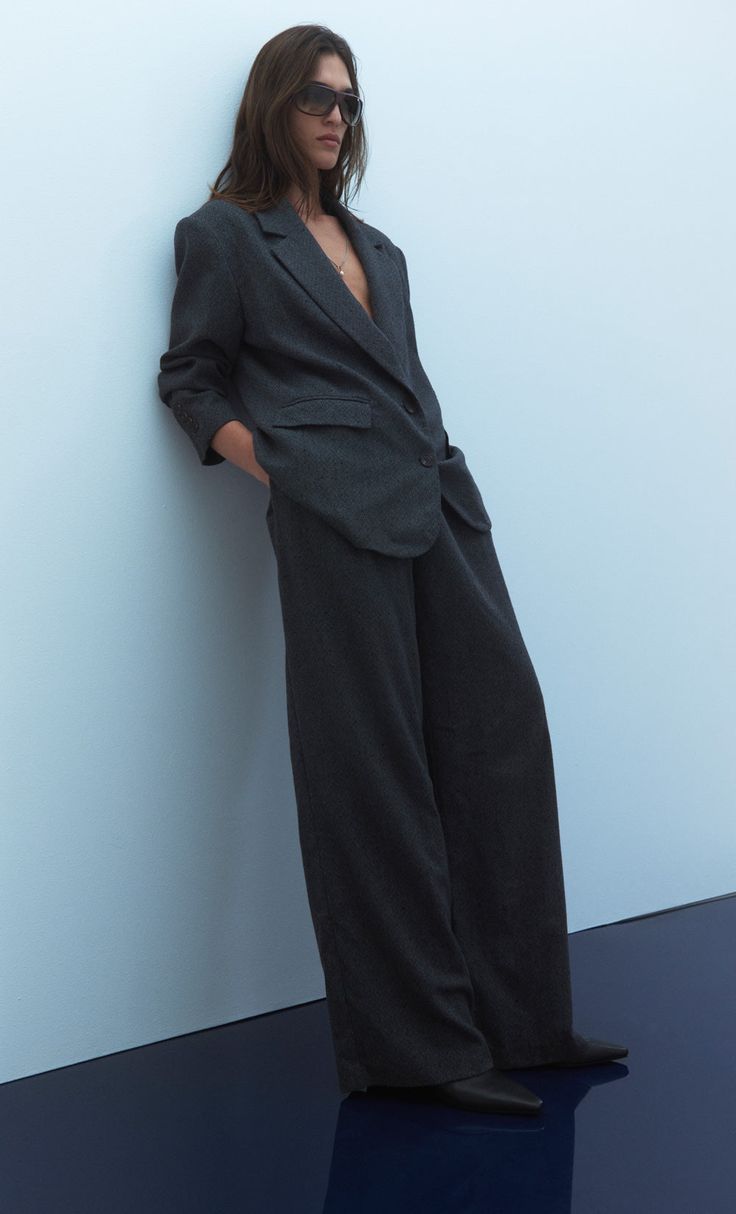
The invisible waist has always come in and out of fashion, usually as a reaction to more body conscious trends. In the post World War II era, Christian Dior’s “New Look” celebrated a tiny, nipped in waist, cementing an ideal that would echo for decades. But in the late 1960s and 70s, women began to embrace looser silhouettes as part of the feminist movement, a symbolic release from construction.
READ: 3 Ways To Define Personal Style Beyond Designer Labels
Fast forward to the early 2000s, and waist cinching made a major comeback through shapewear, corset inspired tops and Kardashian-curated curves. Now, we’re witnessing a quiet rebellion, a collective gravitation toward clothes that don’t demand that you shrink, squeeze or shape your body to be stylish.
Post-pandemic life has only accelerated this shift. As remote work blurred the lines between public and private life, comfort became non-negotiable. Oversized tailoring, flowy dresses and shapeless knits began to replace the sculpted styles that once ruled. And with fashion’s growing appetite for androgyny, minimalism and anti-trend dressing, the invisible waist has made its return.
Who’s Wearing It (and How to Make It Yours)
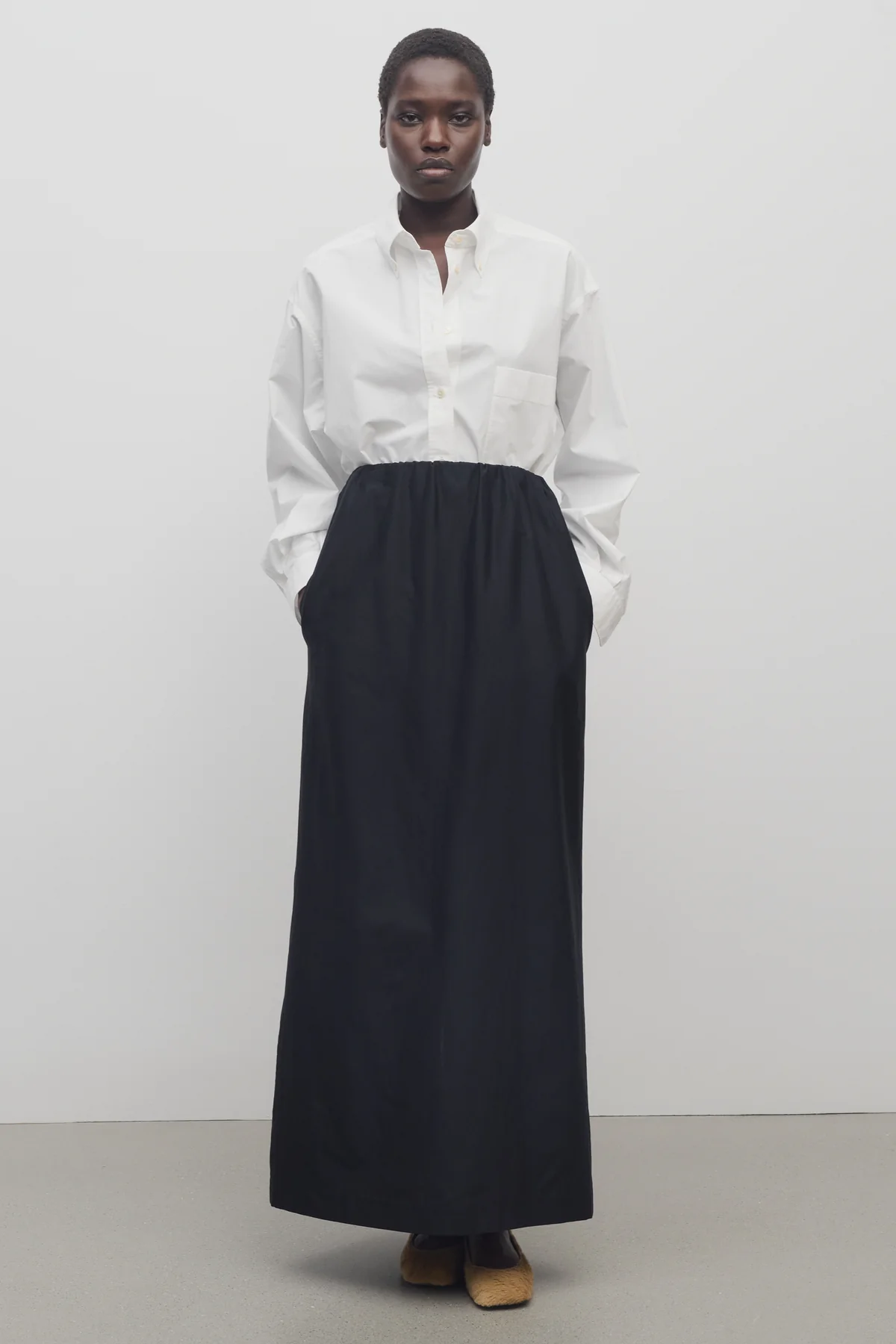
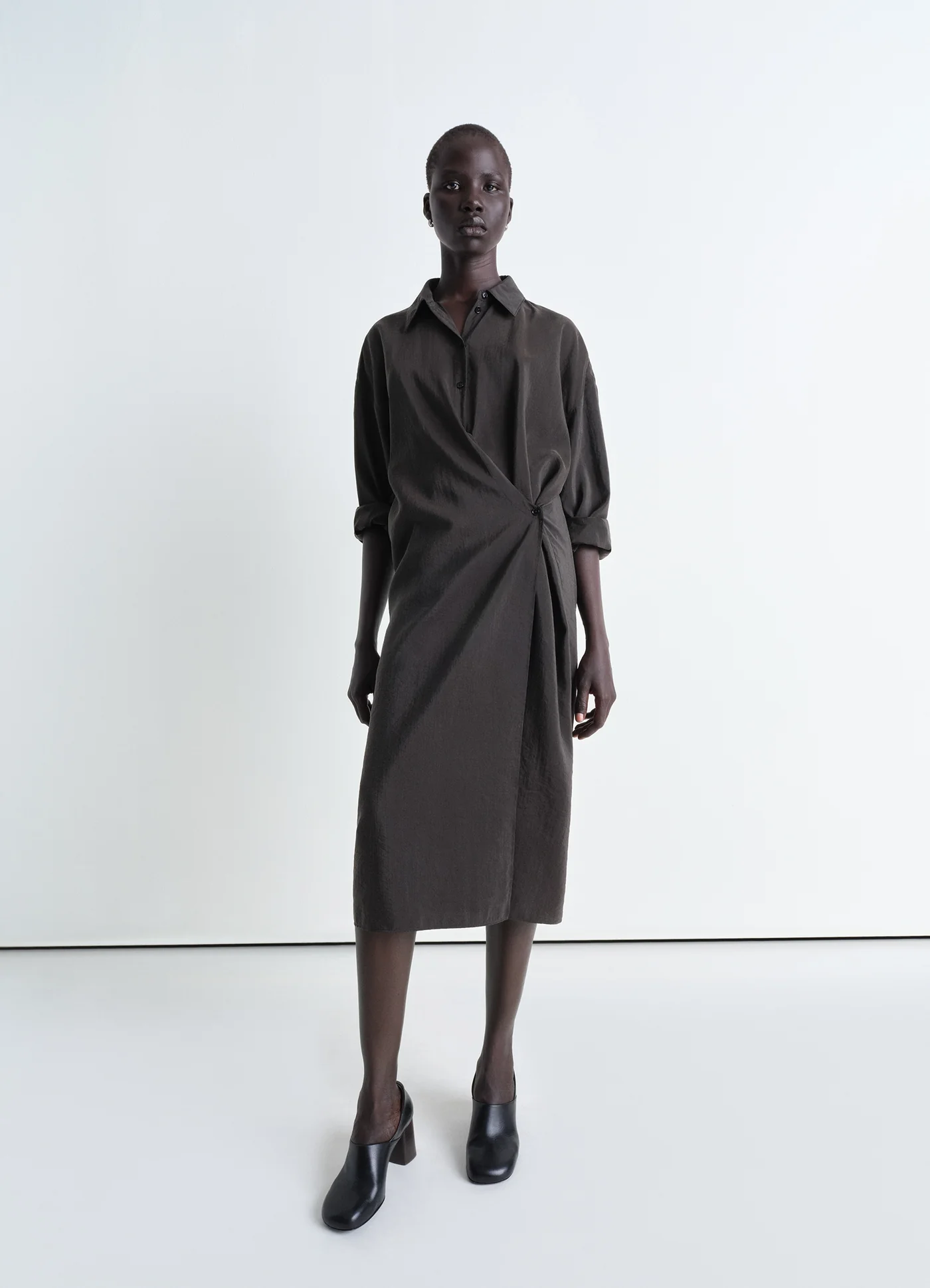
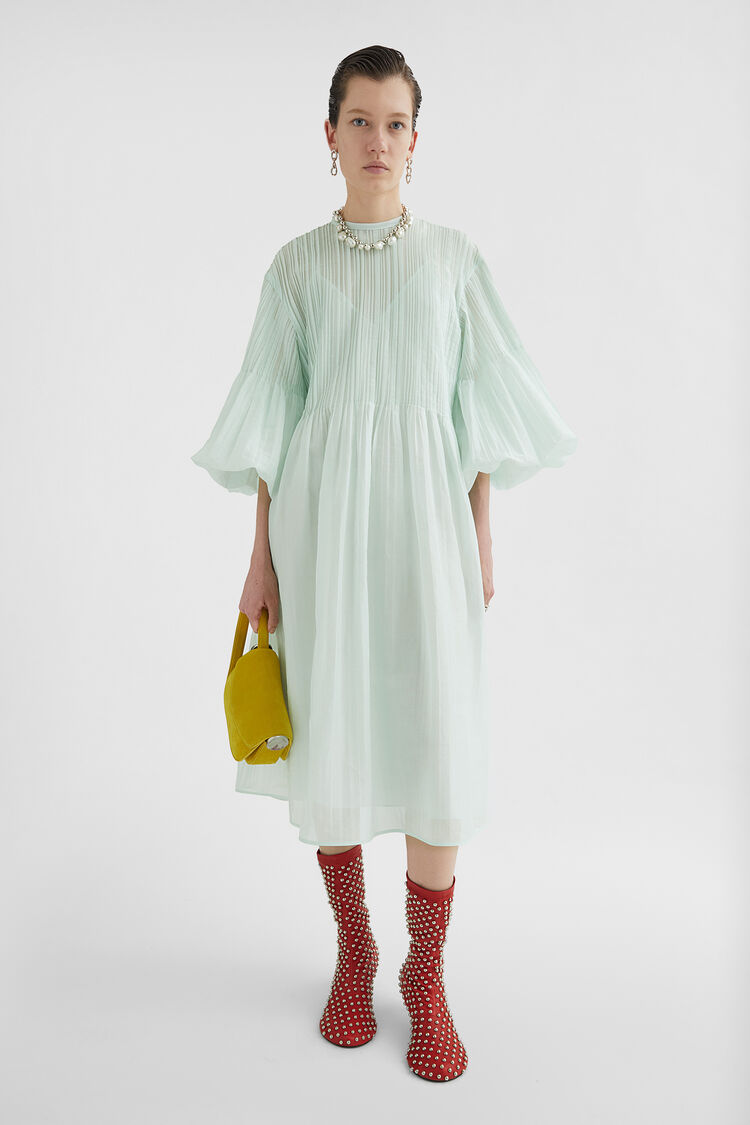
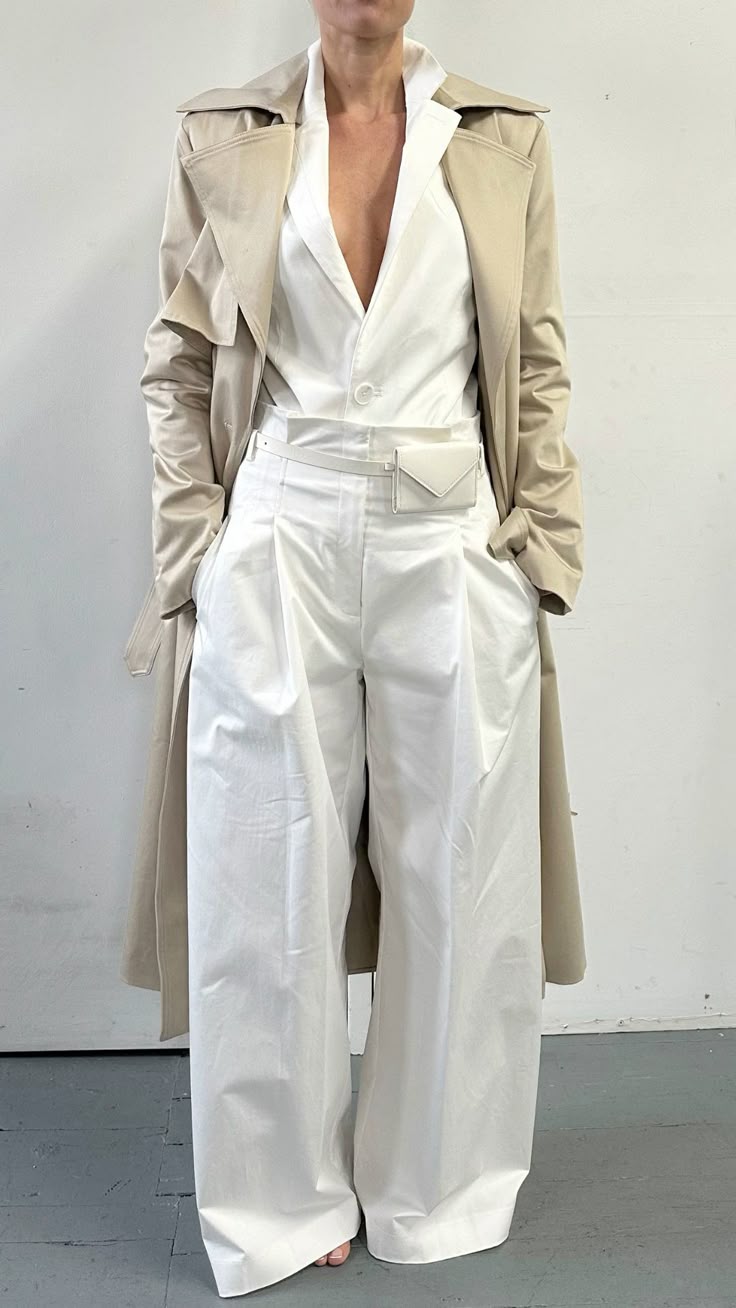
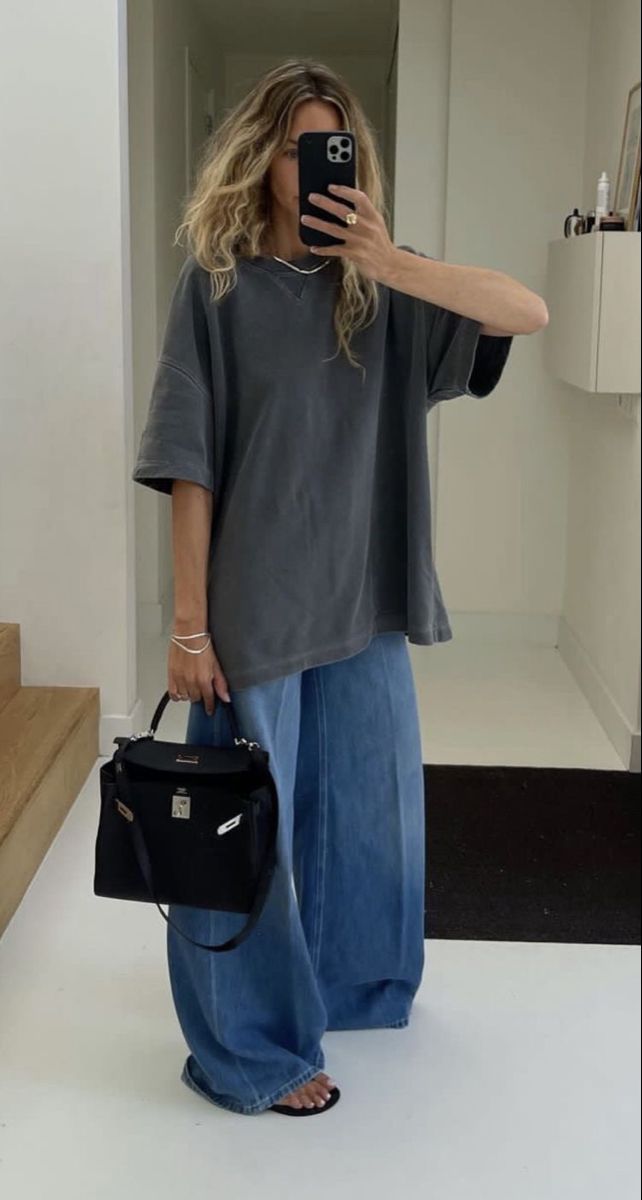
Designers like The Row, Lemaire and Jil Sander are quietly leading the charge, offering luxury interpretations of this trend rooted in restraint and elegance.
On the street, it’s visible in oversize suiting, drop waist dresses and boxy coats layered over straight leg trousers. Celebrities like Zoë Kravitz, Tilda Swinton, and even Rihanna (in her off duty moments) have embraced the silhouette, proving that style doesn’t have to come with structure.
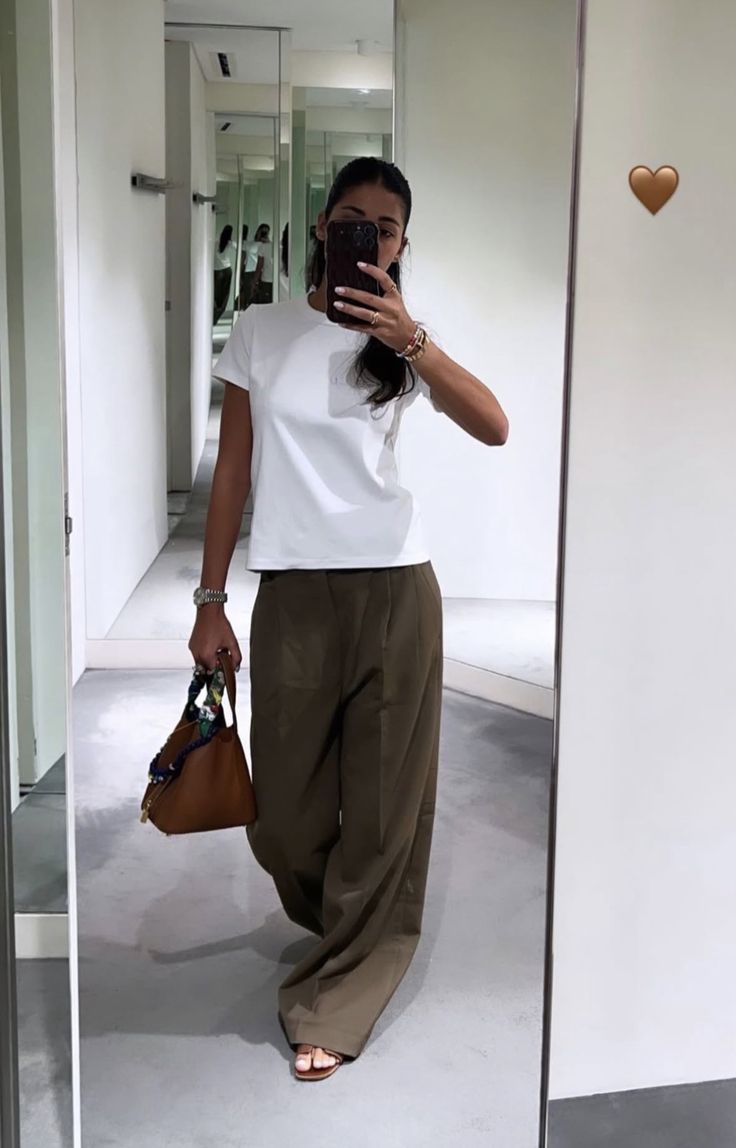
If you’re new to the look, start with one key piece: an oversized blazer, a loose fitting midi dress or a straight cut trouser with a tucked tee. Confidence is key, since this trend doesn’t rely on “flattering” your body in the conventional sense. Instead, it requires a shift in mindset.
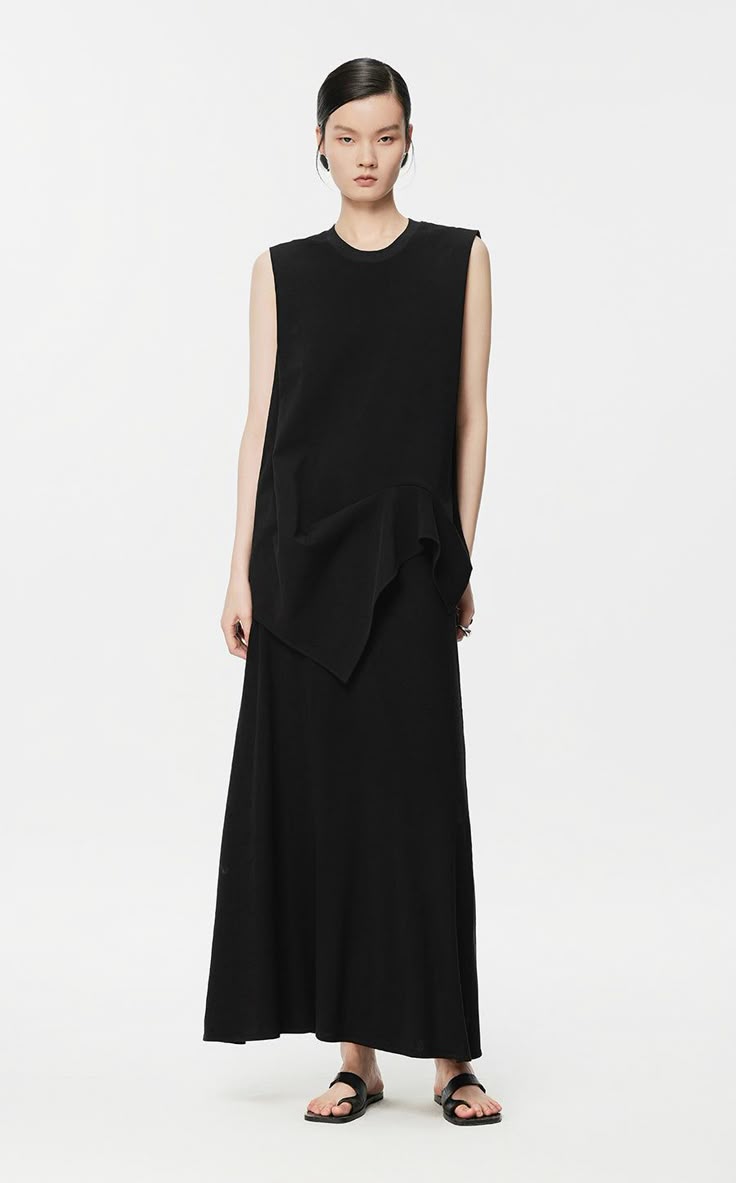
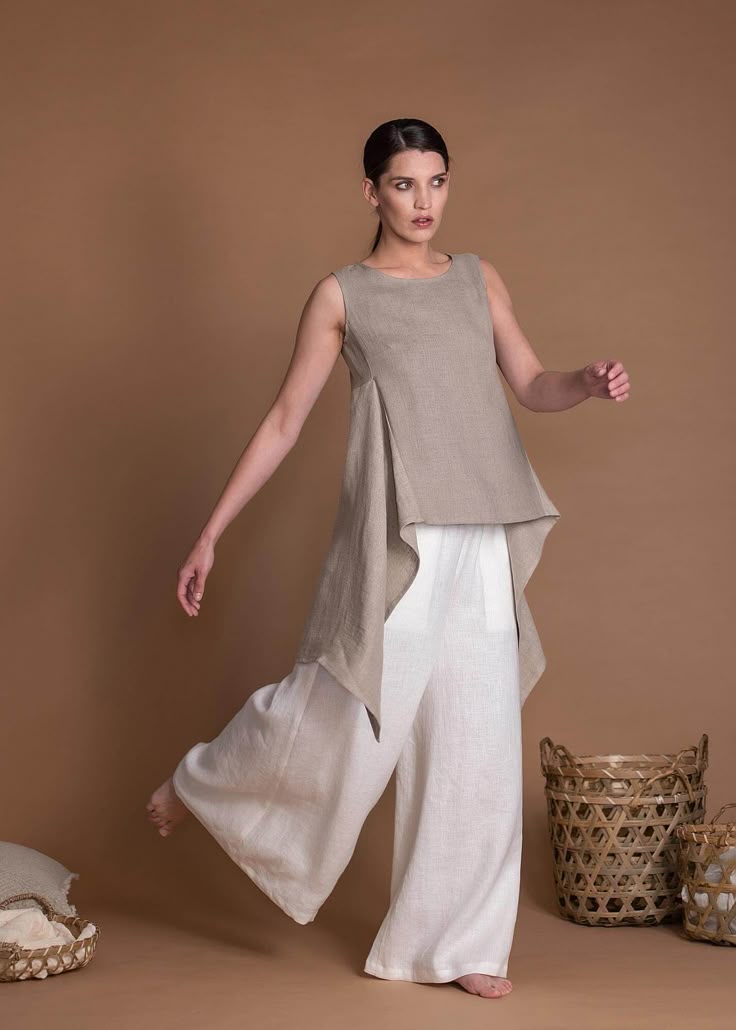
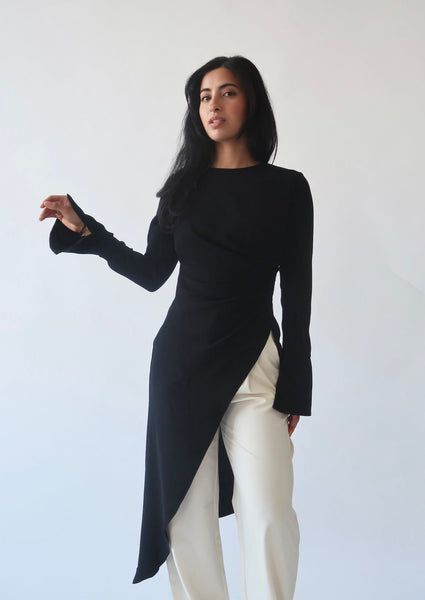
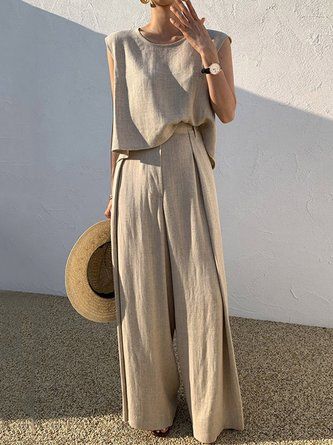
While runway versions of this trend can verge on the extreme (think shapeless tunics that graze the floor) real life application is all about balance.
If you’re wearing a voluminous top, pair it with sleek trousers. A boxy dress can be grounded with structured boots or minimalist accessories. Play with texture and layers, and try mixing soft knits with crisp cotton or silk to add interest without relying on shape.
And most importantly, remember that confidence comes from comfort. The invisible waist doesn’t ask you to mold your body to fashion, it invites you to let fashion fit you. Instead of focusing on revealing your shape, think about what you’re expressing: ease, freedom and a modern sense to self.
The Psychology Behind the Silhouette
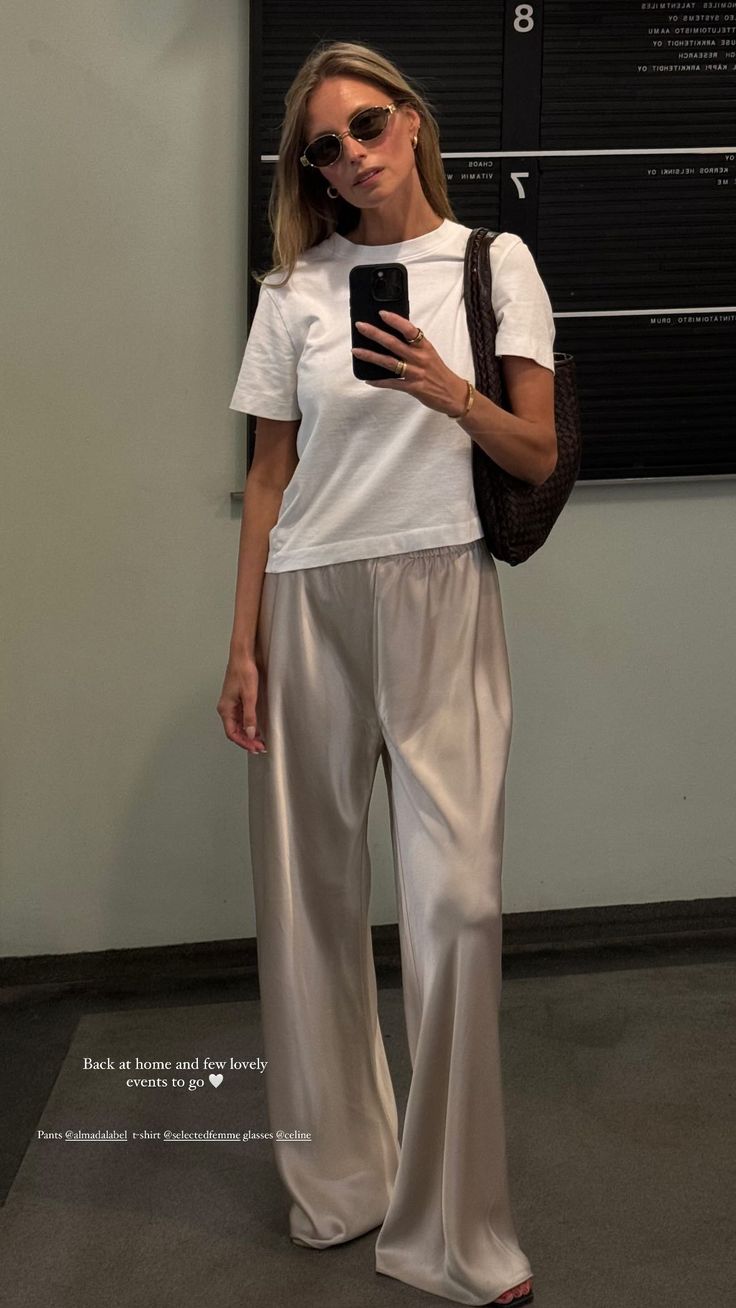
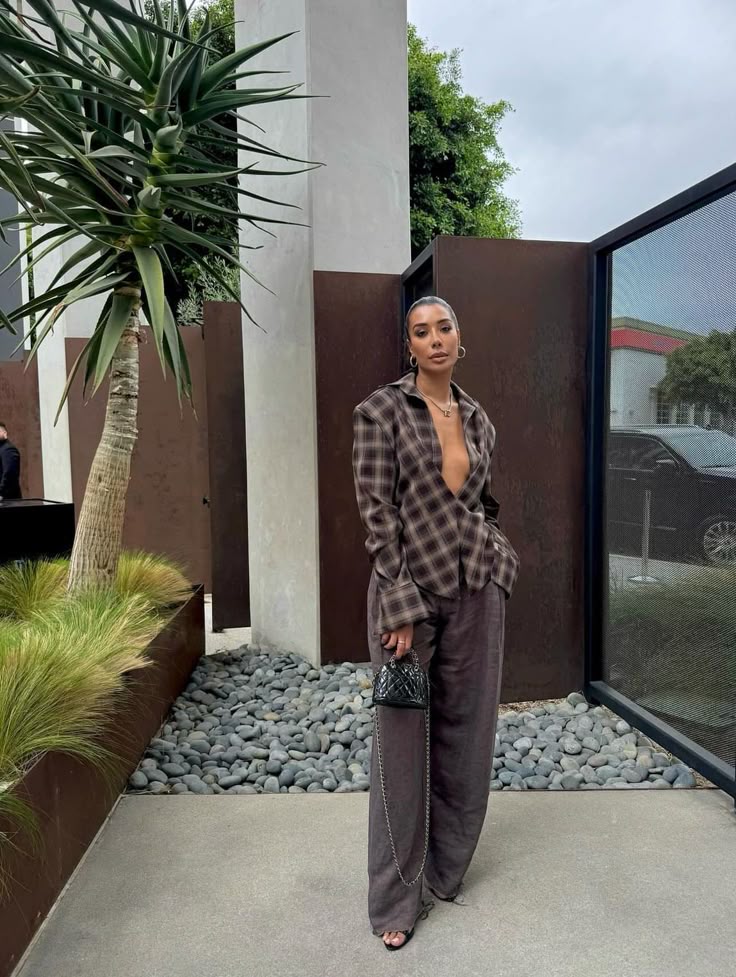
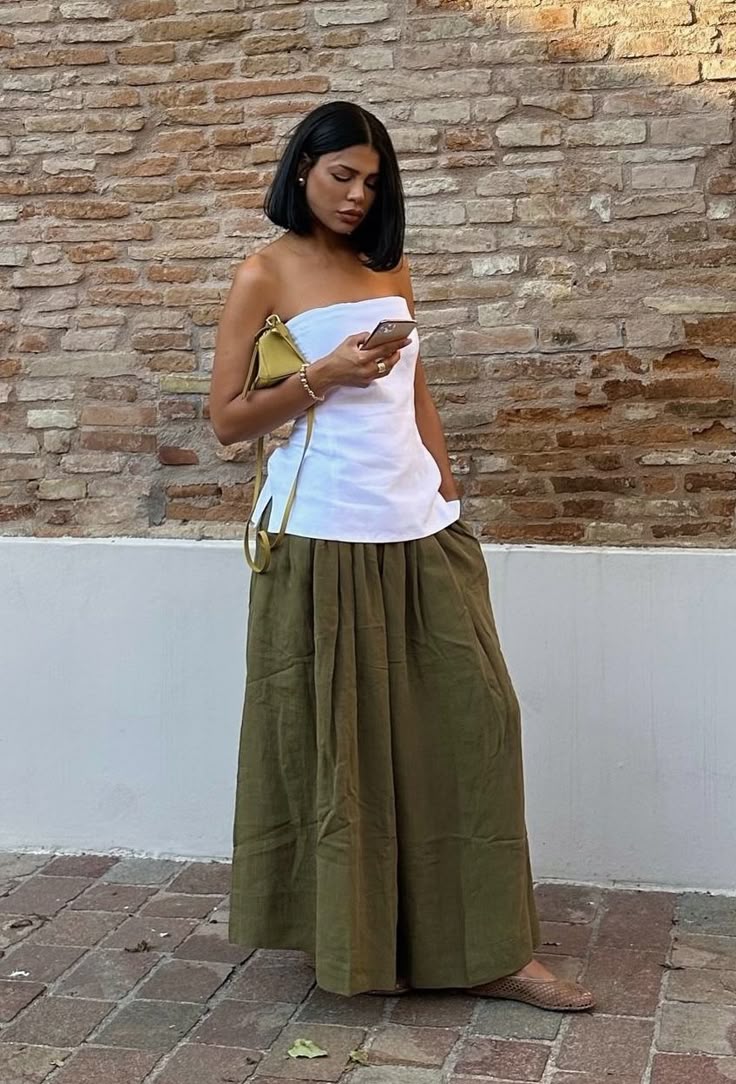
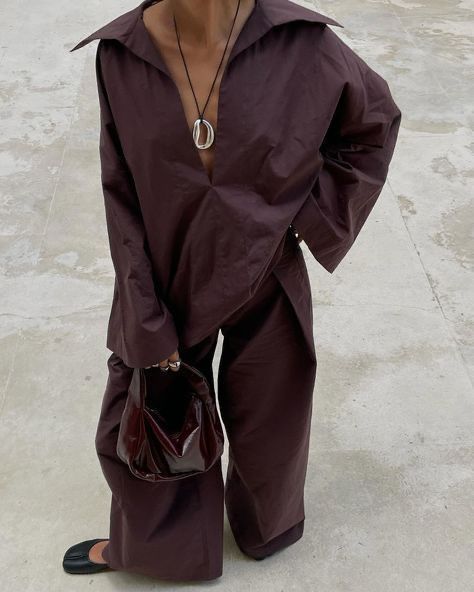
At its core, the invisible waist trend is a reflection of shifting attitudes toward identity, gender expression and autonomy. Fashion has long been a tool of control, especially over women’s bodies. The move toward formless dressing can feel liberating, particularly for those who don’t see themselves reflected in narrow, hourglass centric ideals.
It’s no coincidence that this trend is popular among designers and wearers who prioritize self-expression over convention. By removing the visual focal point of the waist, the invisible waist allows the person to stand out — not just their proportions.
Confidence Beyond Curves: The Future of Shape in Fashion
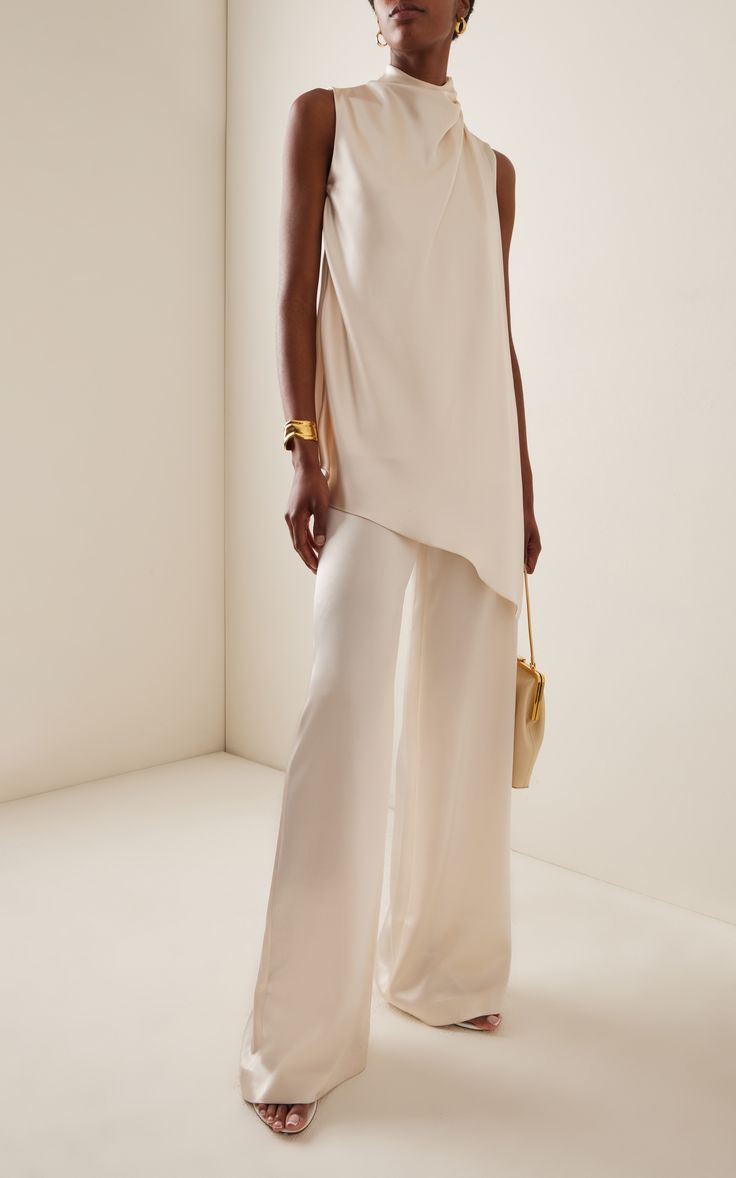
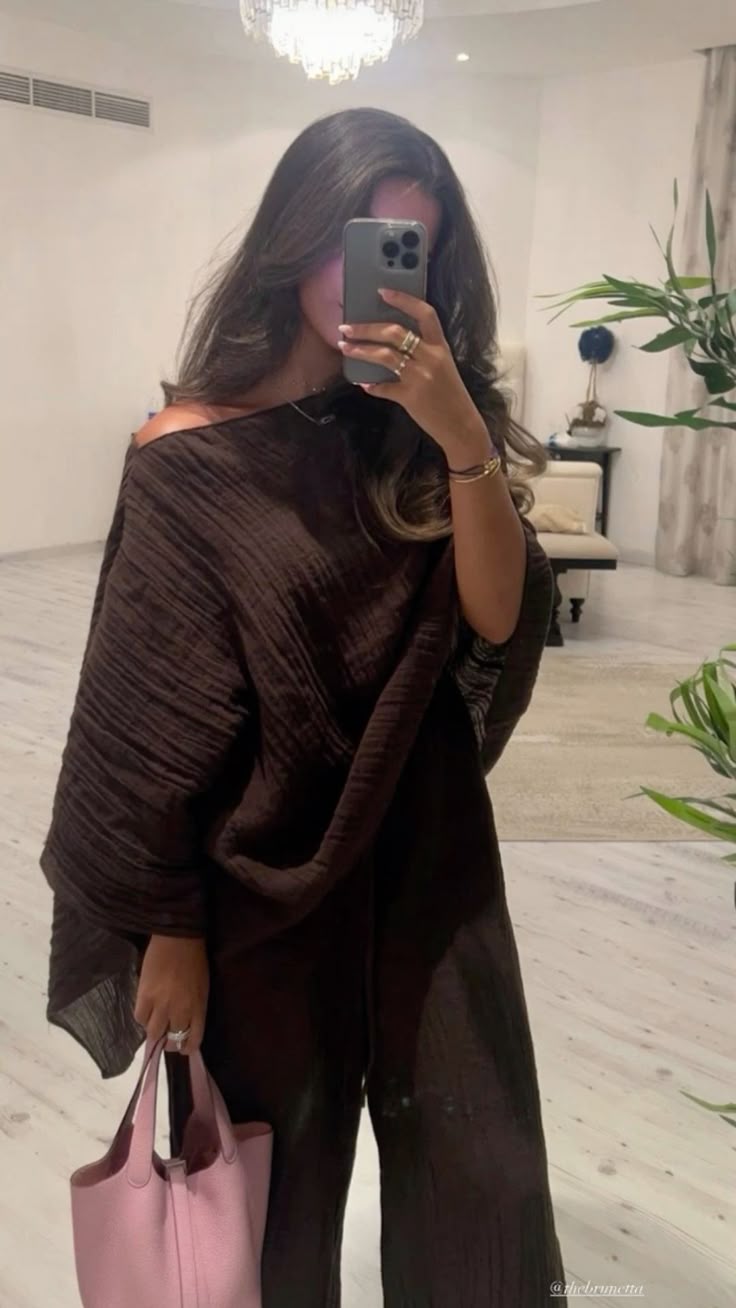
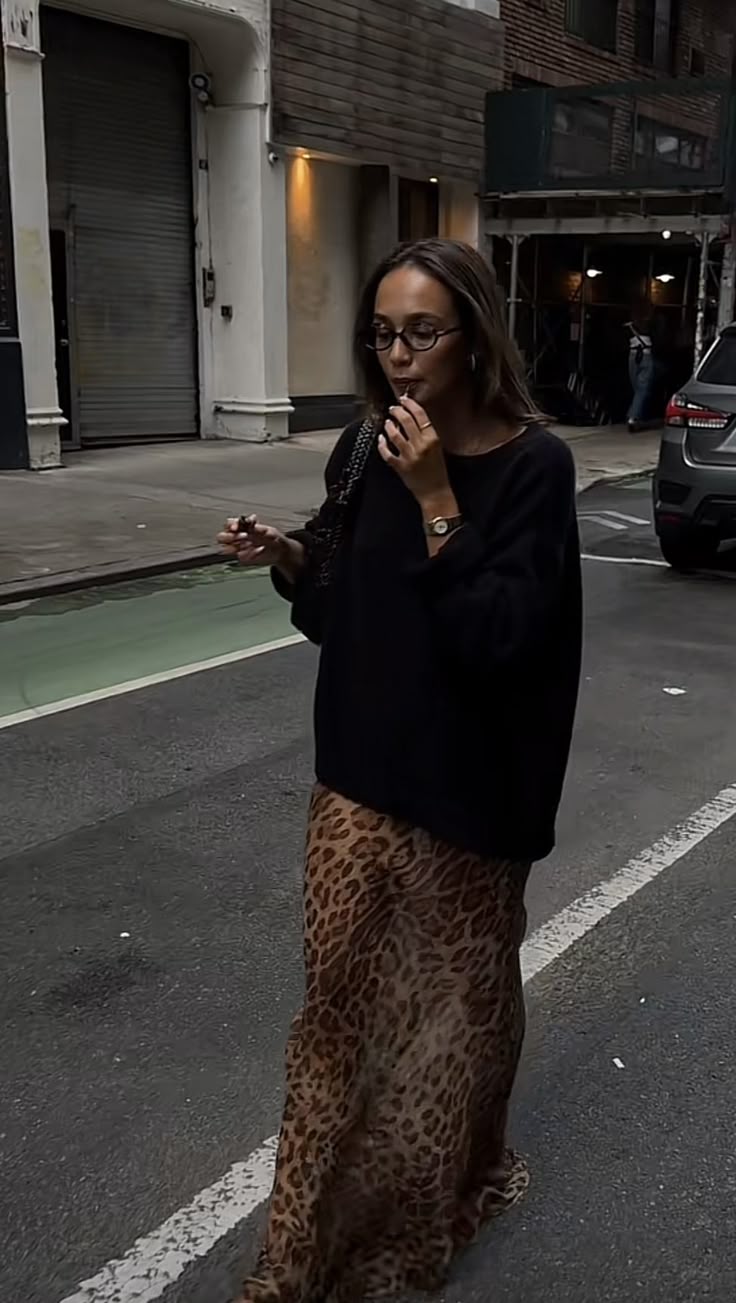
For those raised on a diet of “flattering fits” and “figure hugging must haves,” stepping into a waistless silhouette can feel unsettling at first. But there’s power in challenging what we’ve been told is attractive.
The invisible waist isn’t about hiding, it’s about choosing to be seen differently. Whether you identify as curvy, straight or somewhere in between, this trend makes space for bodies as they are, not as they’re pressured to be. The invisible waist’s return marks more than just a cynical shift in style, it represents a collective pivot toward ease, individuality and a broader definition of beauty. It asks us to rethink what it means to “dress well,” not in terms of figure enhancement, but in terms of self alignment.
In a world increasingly embracing inclusivity and fluidity, the invisible waist is more than a trend: it’s a quiet kind of revolution.
As the fashion world continues to blur the lines between masculine and feminine, structure and flow, it’s clear that the waist no longer needs to be the center of attention. In stepping away from it, we might just be stepping more fully into ourselves.