



For the last 35 years, jamgrass originators Leftover Salmon have been making some of the most influential and wonderful music to ever grace these Colorado mountains. Their music feels like home for those familiar with nights spent dancing beneath stars until the early morning fog rises off a slow-moving creek. It’s the joy that comes from spilling beer on bare feet while surrounded by those you love most and stage lights spin overhead, intertwining with your very soul to remind you that all of us were once stardust. Their music contains within it everything good and joyful in this world: connection, love, humor, sweet debauchery and some damn good playing.
For these reasons, Leftover Salmon has spent the last 35 years as one of the most important and influential bands in jam music. They almost single-handedly created and defined the jamgrass subgenre, which combines traditional bluegrass sensibilities with jam instrumentation and improvisational techniques. 2025 marks Leftover Salmon’s 35th anniversary and they are celebrating with the release of their newest album, Let’s Party About It, as well as co-headlining Red Rocks with Kitchen Dwellers on Memorial Day.
303 Magazine recently spoke with Leftover Salmon banjo player Andy Thorn and strings player, vocalist and founding member Drew Emmitt about the band’s origins and history, the nature of legacy and influence, the album and Red Rocks show and much more.
Thorn grew up in North Carolina listening to bluegrass, describing his parents as “big fans” of the genre who took him to see legendary artists like The Seldom Seen and Doc Watson when he was real young. He recalled getting his first banjo at a garage sale when he was “around 12” which allowed him to feel closer to the music, as if he was holding a representation of the genre itself in his hands. This prompted even more shows and he eventually graduated to going to festivals featuring “bands on the hippier side of things” like The String Cheese Incident, Sam Bush and, fatefully, Leftover Salmon. He described seeing these artists play as instilling a “spark” within him — Salmon and their talent and how much fun they exuded from the stage in particular — the first bit of kindling that would ignite a lifetime of playing with musicians he once regarded as heroes, now peers.
As for Emmitt, a Colorado native, he recalled being “drawn to music since [he] was three,” when he first started teaching himself piano by ear. By eight, he’d taught himself how to play the ukulele and the guitar, saying, “I wasn’t very good at sports, so I figured I’d be a musician.” He said bluegrass came into his life as a teenager and that he’d added mandolin to his repertoire by the time he was 18. This got him to start playing in bands and attending festivals, seeing now legendary bands like Hot Rize and The Grass Revival playing. These experiences compounded and brought him to a band called The Left Hand String Band, which would become one of two bands that would eventually merge to become Leftover Salmon, the other being fellow Salmon founding member, vocalist and guitar player Vince Herman’s Salmon Heads.
Emmitt and Herman first met in Boulder in the late 80s. Herman was traveling through the country on his way to West Virginia and stopped in Boulder, where he came across a sign that promised “bluegrass tonight.” The promised bluegrass happened to be Emmitt’s Left Hand String Band. Herman hung out, checked out the set and eventually hit it off with Emmitt, so much so Herman would end up sticking around Colorado to attend festivals with Emmitt, sit in with Left Hand from time to time and eventually found Salmon Heads.
Leftover Salmon’s true origins came in 1989, a couple of years after Emmitt and Herman first met. Salmon Heads had booked a few shows in the mountains one weekend and about half the band didn’t want to drive so far away from Boulder to play them. Herman then asked Emmitt if he or any of his bandmates would be able to fill in. Emmitt, his bass player and washboard player agreed, with the washboard player ending up playing drums. On the way up, they realized they couldn’t call themselves by either of their other bands’ names and Herman threw out, “Let’s just call ourselves ‘Leftover Salmon’ for the weekend.” The name, which Emmitt admitted is “sort of ridiculous,” stuck and Leftover Salmon was truly born.
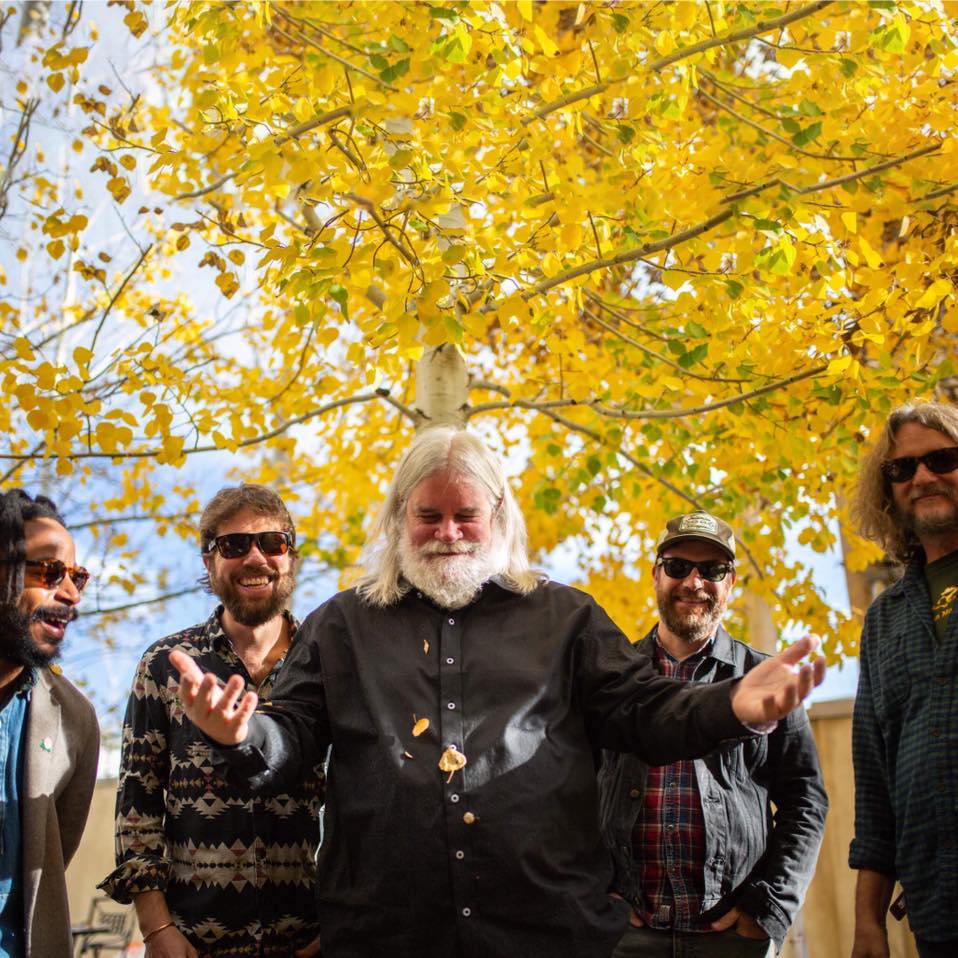
Emmitt and his fellow band members at this time had no real idea of the impact that they would eventually grow to have. When they first started, it was about the purity of playing, money an afterthought. Emmitt said, “We were using the band to play as much music as we wanted and party in ski towns.” However, this only lasted so long before hard decisions became apparent, the desire to play music full-time clashing with the simple fact that, at the time, there simply wasn’t any money in bluegrass, even the biggest names in the genre having trouble making a living.
In order to combat this, Leftover Salmon got creative. According to Emmitt, they thought, “What if we keep playing bluegrass and the music we want to play but add in some electric guitars and drums and throw all our influences in a pot?” This allowed them to expand into a larger market, able to tap into lanes that their contemporaries, such as Phish and Widespread Panic, had already begun to build a following within. Thus, “jamgrass” was born.
After releasing two albums independently, Bridges to Bert and Ask the Fish, Salmon attracted an ever-growing following, eventually attracting the attention of a man named Chuck Morris, who still manages the band to this day. Morris brought Salmon to the attention of major record labels such as Atlantic, Hollywood, Sony and more. The band soon found themselves being courted, flown out to LA to be wined and dined by some of the most influential people in the music industry. Emmitt said it felt like a “whirlwind” having gone from struggling across Colorado with his band members to these fancy, decadent label outings. The band eventually went with Hollywood Records, with whom the band would release their first two major albums, Euphoria and The Nashville Sessions, both now considered classics that defined a genre.
As all this was happening, Thorn was picking his way through high school, playing in bluegrass bands with his friends and also not being very good at sports. One year, around 1995 or so, as he got closer to graduation, Thorn attended Merlefest, a long-running North Carolina bluegrass festival. His favorite act he saw was Leftover Salmon, who had really been coming into their own. Ask the Fish had just been released and he found himself enamored with the banjo playing on the record, which was recorded live at Boulder’s Fox Theatre. Thorn said Salmon quickly became one of his favorite bands and he followed them every step of their way.
After high school, Thorn went to UNC where he’d play shows at frat houses for beer and a little money. He recalled getting paid “$250 and it was the most money [he’d] made and it was from very little work that [he] loved.” He realized that he’d found what he wanted to do for the rest of his life and his life has been pursuing that spark ever since.
In 2002, Leftover Salmon’s founding banjo player, Mark Vann, tragically passed away, leaving the band uncertain of how to proceed. After much discussion, they decided to move forward and look for a new banjo player, eventually choosing Noam Pikelny, who would then go on to fame with groups like the Punch Brothers. Thorn saw this and the fact that Pikelny was only a couple of years older than him. He realized that these artists he’d idolized for so long really are just people and that if someone as young as Pikelny could get hired by someone as important as Leftover Salmon, then so could he.
Pikelny stayed with the band for a few years before moving on and Salmon played with a few other temporary players but Emmitt described this period as “lacking cohesion.” Vann’s passing had rocked them so much that the music didn’t feel quite the same anymore. Emmitt alluded to the band “missing something” during this period. Eventually, Thorn heard about an opening in Leftover Salmon and found out how to audition. The band loved playing with him and, in 2007, Thorn was made an official member of Leftover Salmon, his former heroes now his bandmates.
Thorn said he wasn’t ever trying to replace Vann but wanted to be a part of whatever direction Leftover Salmon was moving in. Emmitt credits Thorn with bringing the band back together during such an uncertain time. He said, “When Andy came along and joined the band, it really solidified the band again and single-handedly brought the band together. We started on this new journey for Leftover Salmon.”
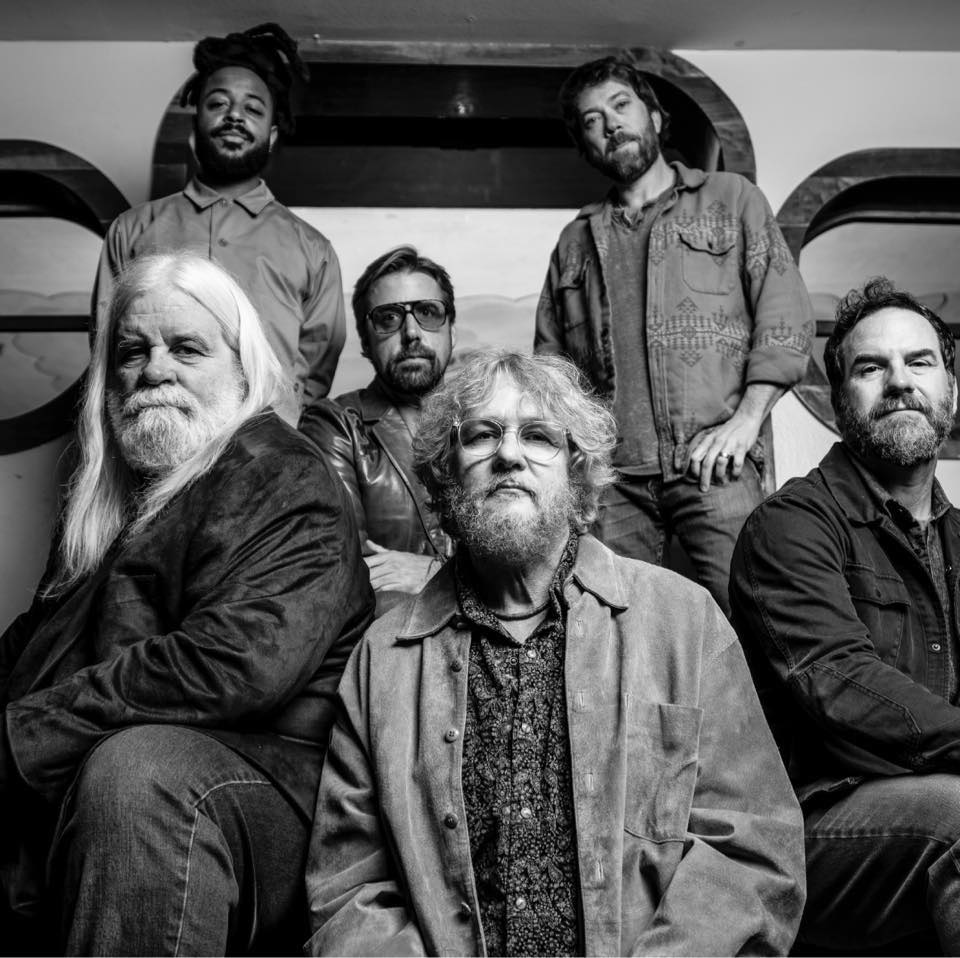
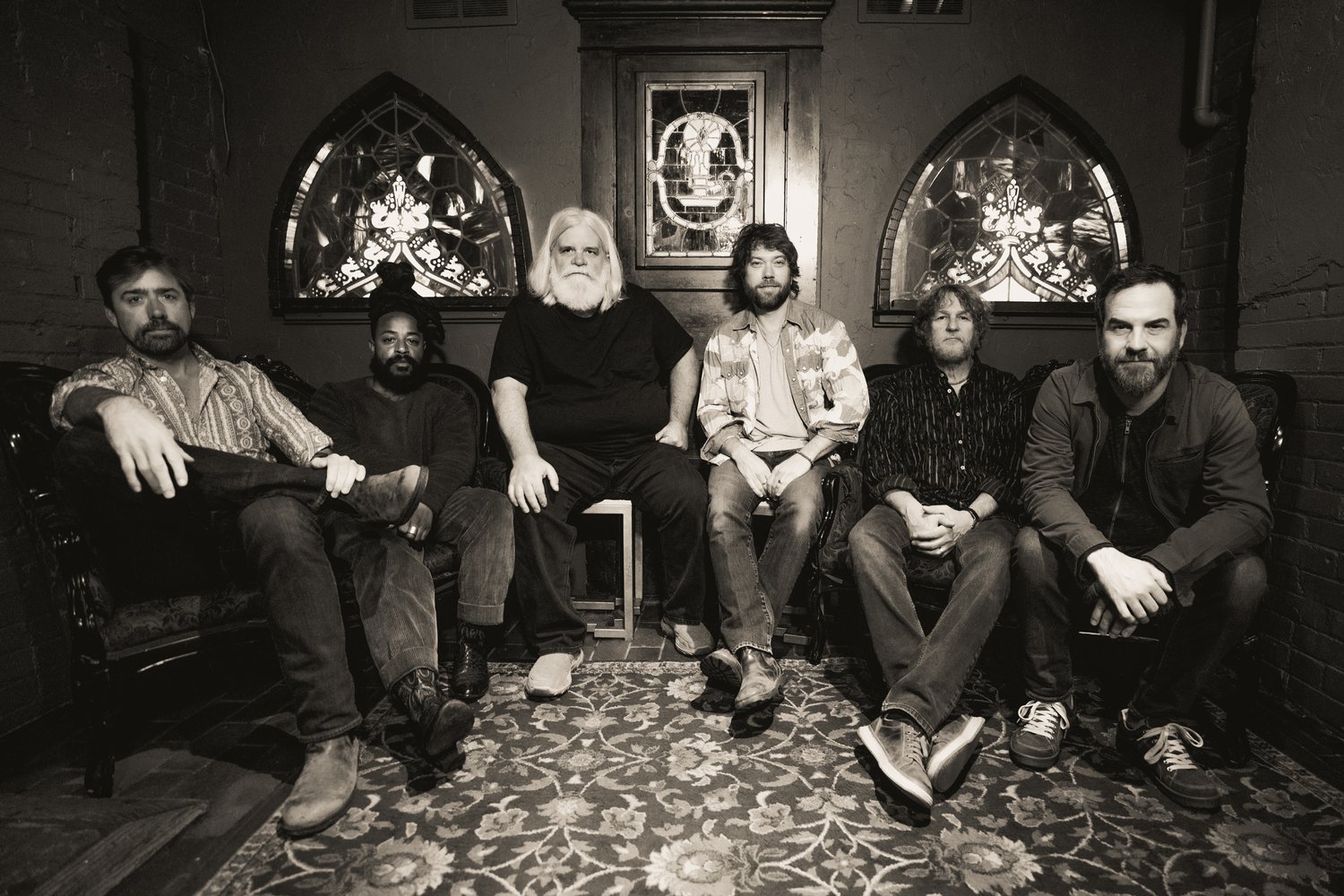
Thorn has now joined Salmon for countless tours and eight albums, solidifying himself as a tried and trusted part of Leftover Salmon’s legacy. It cannot be stated enough just how much of an impact Leftover Salmon has had on the modern jam scene. The band’s lineup currently consists of Thorn on banjo and vocals, Emmitt on vocals, mandolin, fiddle and electric guitar, Herman on vocals and guitar, Greg Garrison on vocals and bass, Alwyn Robinson on drums and Jay Starling on keys and dobro. Their legacy can be seen every day with a new jamgrass band hitting the scene and taking the genre Salmon pioneered into their own hands. This excites and flatters Emmitt, saying that he is aware of their influence and is happy to see so many young artists following their lead.
Both Emmitt and Thorn attribute their influence and longevity to their dedication to the music. “After 35 years, it’s still all about the music,” Emmitt said, a sentiment Thorn echoed. They also stressed the importance of remaining true to oneself despite the time, the accolades and the fame. They both try to “stay good people that play good music” and it is this very idea that has allowed Leftover Salmon to become as beloved as they are.
Now, Leftover Salmon’s 35th anniversary has arrived. In celebration, they recently released Let’s Party About It, a project also written in response to the times we live in and all their uncertainty and insanity. Let’s all come together and party our way through it. This will be the prevailing idea at their Memorial Day Pick-a-nic alongside Kitchen Dwellers and featuring an opening set from bluegrass up-and-comers Clay Street Unit. It’s a celebration of bluegrass as a whole as well as a long and beautiful career that is showing no signs of slowing down anytime soon. It’s sure to be a pick-a-thon for the ages and the best possible way to spend the holiday.
Leftover Salmon reminds those who hear them of just how sweet it can be to be alive, to breathe fresh mountain air and dance beneath swirling venue lights. They have meant so much to so many and will continue to do so until they can’t play anymore. It’s been a beautiful 35 years. Here’s to whatever comes next.
Stream Let’s Party About It here!
Get tickets to Leftover Salmon’s 35th Anniversary Pick-a-nic here!