



The Pattern Shop, a community staple instrumental in shaping the RiNo Art District in the 1990s, will close its doors after 33 years, but its legacy will carry on in a different form with its recent acquisition by Community Clay’s owner, Roxane Ambrose.
One could argue Ambrose had a fortuitous relationship with The Pattern Shop’s former owners, Rex and Sharon Brown. “At the time they decided to sell, we were renting a storefront just a few doors down. Our studio grew fast, but owning a space like this felt out of reach. The Browns, however, believed in us. They turned down offers from developers and investors, choosing instead to pass the torch to someone who would carry on their legacy of supporting the arts,” explains Ambrose. The two businesses now work in tandem to celebrate Denver’s complex art scene, ensuring the legacy of The Pattern Shop remains prominent while paving the way for a new creative frontier in partnership with Community Clay.
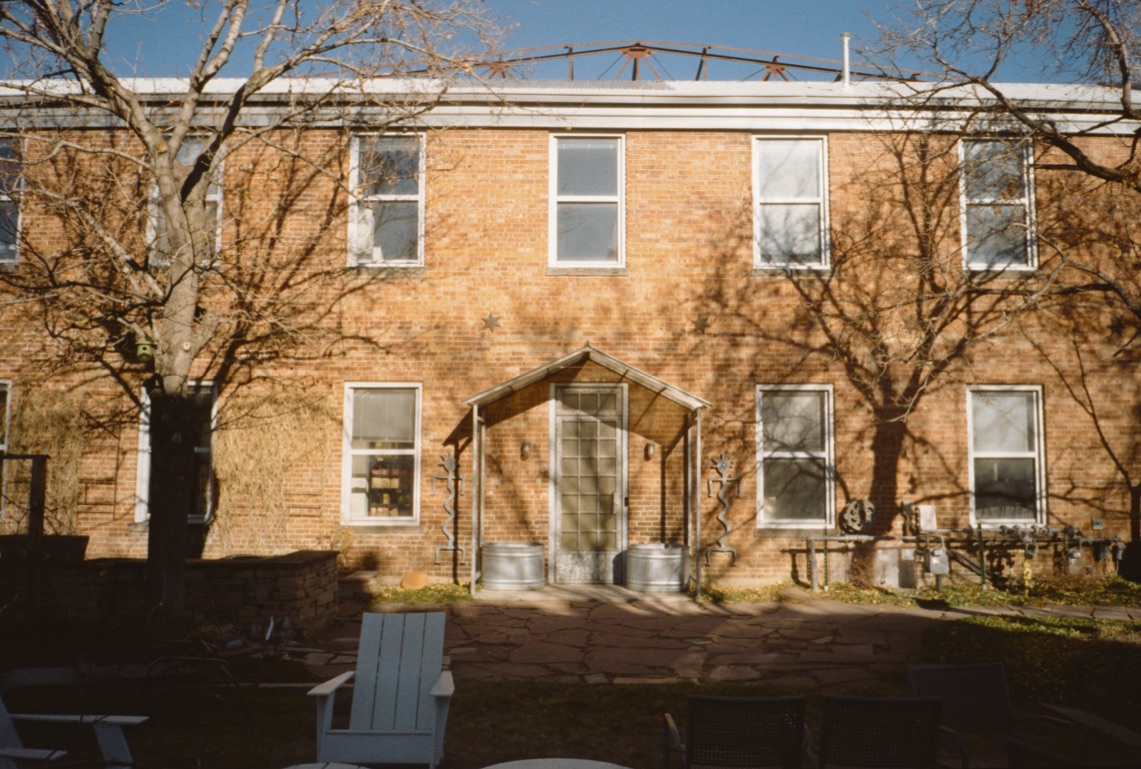
It’s no secret that Denver has seen its fair share of independent businesses forced to close or move because of bigger pocketbooks and corporate greed. In doing so, it becomes easy to forget the businesses that shaped our communities, whether artistic, cultural or familial.
“As neighborhoods shift, artists and creative spaces are often the first to be priced out in favor of high-rises, fancy restaurants and corporate developments. Holding onto spaces like The Pattern Shop is about more than nostalgia, it’s about keeping creativity, accessibility and history alive in the city,” articulates Ambrose. “We’ve preserved everything as it was, adapting our workflow to fit the space rather than altering its character,” adds Ambrose. “The new location is still Community Clay, and we’re carrying forward the spirit of The Pattern Shop by keeping it a community gathering space.”
Community Clay began in 2022 after Ambrose spent the pandemic experimenting with clay and pottery, sharing her creations online and at shows. “I was looking for a clay community to be part of, and when I couldn’t find the right fit, I decided to create it myself, at our Congress Park studio,” states Ambrose.
Community Clay offers a wide range of creative options, including memberships, six-week classes, private lessons and one-time workshops. “Learning a new skill, especially as an adult, can feel intimidating. We focus on making sure Community Clay is a space where people feel safe to experiment, make mistakes, and grow. Our ethos is built around creativity, inclusivity and a deep sense of belonging,” assures Ambrose. The Congress Park location remains open for studio memberships, firing services for independent artists and pre-booked private lessons. “The two locations complement each other: one deeply rooted in its local community, the other expanding our reach. We love them both equally!”
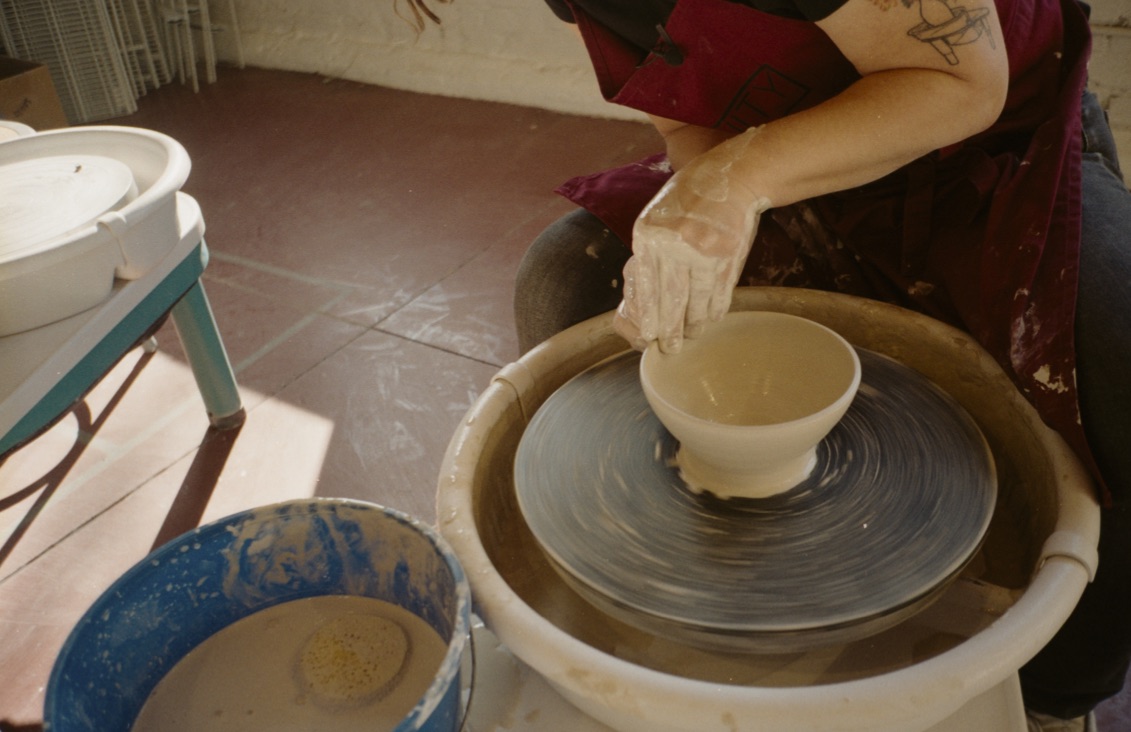
Ambrose describes Denver’s art scene as “scattered, diverse and constantly shifting.” This description befits Denver; how could you put the Mile High City in a box? Thus, the city’s ineffability has left artists feeling somewhat unmoored. The positive side to this chaos? Coloring outside the lines is encouraged. “Artists here often have to carve out their own paths and create their own opportunities. But that DIY energy is what makes it exciting. We hold in such high regard institutions like RedLine Contemporary Art Center and the Clyfford Still Museum, which foster collaboration and innovation, making the scene feel dynamic and accessible,” says Ambrose.
Supporting local artists and shops significantly impacts the community and its economy. Taking classes that enhance creativity and shopping small not only enriches your experience, well-being and livelihood, but also the people in your neighborhood. Ambrose emphasizes these sentiments: “Go to events, buy from local artists, take workshops. Even small choices like choosing a handmade mug over a mass-produced one make a difference. Engaging with art, whether as a maker, collector, or participant, strengthens the art scene of the city. Investing time in these activations helps Denver be a place where artists don’t just survive but thrive, and that depends on the community investing in its creative culture.”
