



As adults, we are rarely forced to reading. Adult reading is a personal pastime (developing a taste all your own) or an act of community (joining a book club to share ideas). When we were in school and forced to read, it was hard, for most, to see it as a pleasurable experience; but what we read–and what we talked about when we read it–stays with us.
To start 2025, I somewhat naively accepted a long-term subbing contract, covering the maternity leave for a local high school English teacher. I’d planned to do some substitute teaching this year, exploring what teaching might be like; lo and behold, I was given a classroom and four classes to teach in for ten weeks.
In that time, I found my stride and discovered that I sort of like teaching high schoolers. There is much to reflect on when it comes to the current state of the American teenager, and they have found plenty of ways to highlight how old I actually am.
But rather than focusing on my aging self, I’ve wandered in and out of a sort of nostalgic fog, trying to remember what those years felt like for me back in the early aughts. For example, students are delinquent with deadlines and the excuses are usually work, sports, or some parent standing in the way of their child’s education. I consider my own busy teenage schedule, and the late nights I’d put in to catch up on math worksheets, type and print out papers, or clock pages from my reading list.
As I started to build lesson plans and gauge the interests of my classes with my own experiences in mind, I consulted lists, so many lists. What is standard high school reading? What books are banned, generally, and why? What books are banned in my school district? What books do high schoolers respond to? What became abundantly clear were the glaring gaps in my own literary education, holes I knew were there but either couldn’t or didn’t rectify.
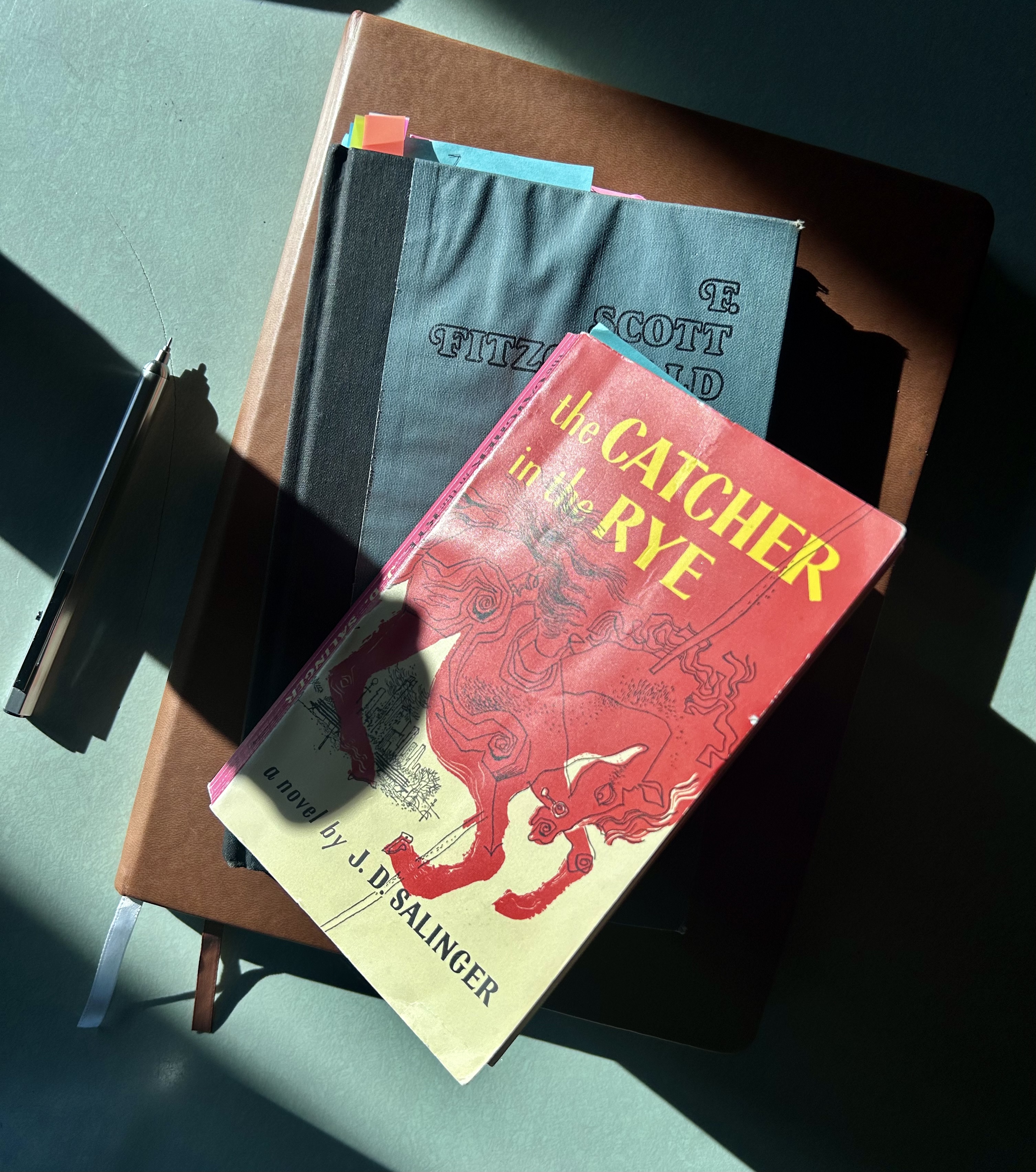
The information on what high schoolers have historically read versus what high schoolers should read—or shouldn’t read—is endlessly diverse. There are books on syllabi that are absolutely problematic, especially at the high school level. However, as my honors class and I read Flannery O’Connor’s “A Good Man Is Hard to Find,” we agreed, that maybe being able to discuss these problems in a safe and controlled environment is important. As my juniors and seniors wrote letters to an imagined authority pleading the case for reading Salinger’s A Catcher in the Rye, some understood the privilege of having access to a book their peers might be prevented from discovering.
The goal of a literary education, I believe, is to understand what has been written throughout history, so that we aren’t ignorant and learn from history. Staring down at those long lists of recommended high school readings, I felt inspired to make up for what didn’t find its way into my own education, while weighing the pros and cons of reading the canon versus exploring new literature.
Though my small school’s literary curriculum was short of most of these titles, the following twenty books consistently showed up in the curriculum I consulted:
- The Great Gatsby by F. Scott Fitzgerald
- The Catcher in the Rye by J.D. Salinger
- Beloved by Toni Morrison
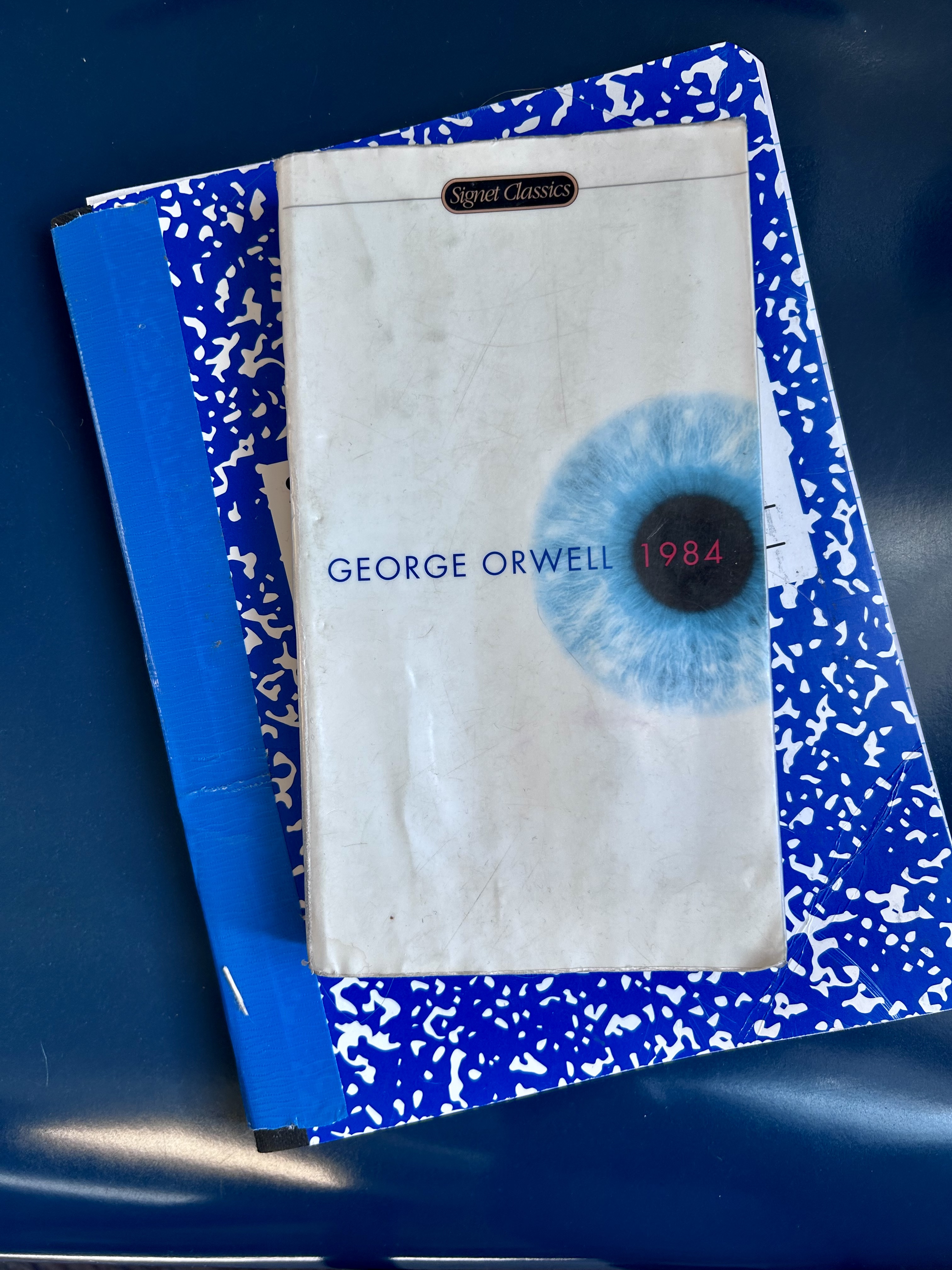
- 1984 by George Orwell
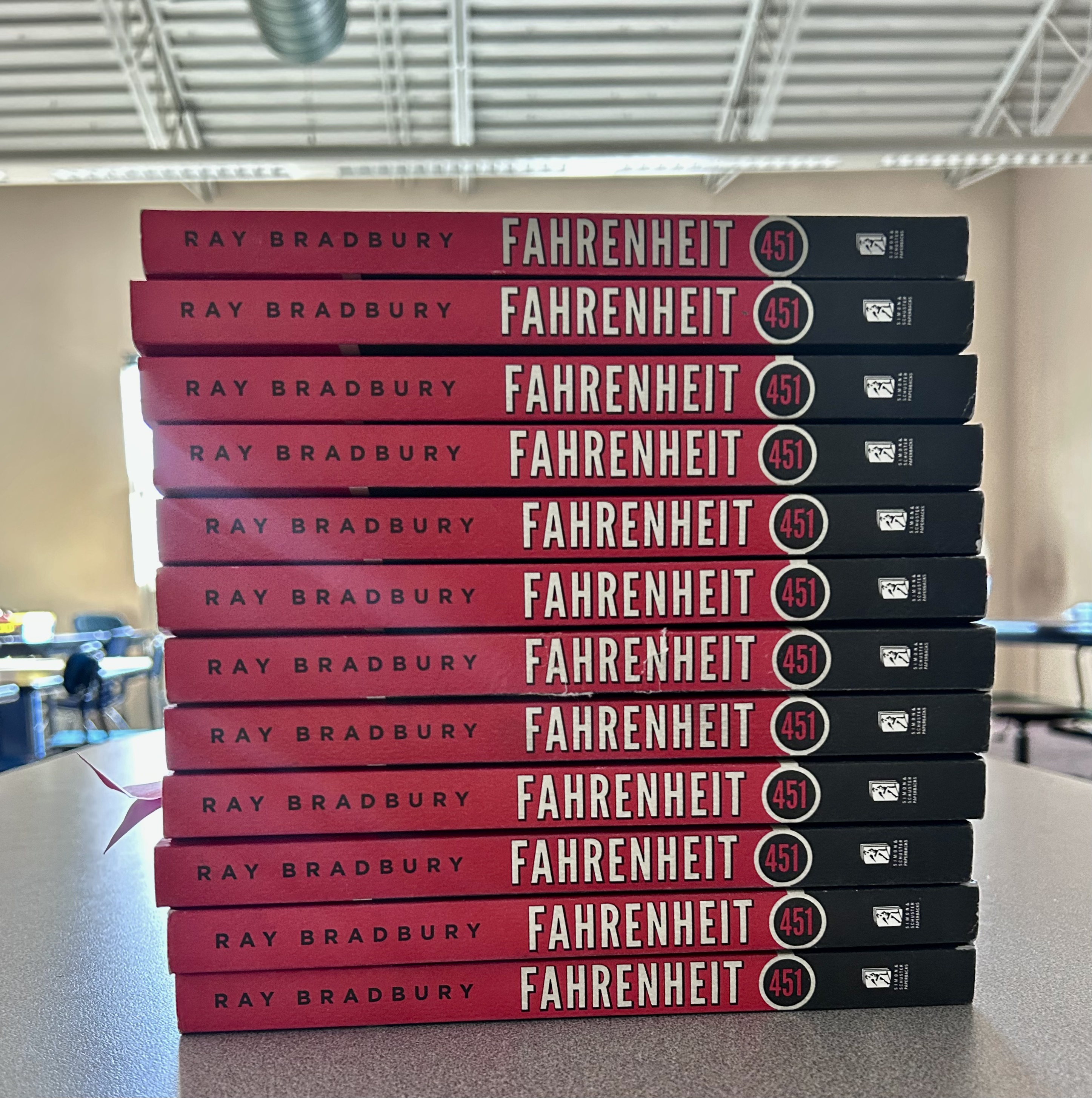
- Fahrenheit 451 by Ray Bradbury
- Hamlet by Shakespeare
- Frankenstein by Mary Shelley
- To Kill a Mockingbird by Harper Lee
- Of Mice and Men by John Steinbeck
- Brave New World by Aldous Huxley
- Lord of the Flies by William Golding
- The Scarlet Letter by Nathaniel Hawthorne
- Their Eyes Were Watching God by Zora Neale Hurston
- A Tale of Two Cities by Charles Dickens
- Pride and Prejudice by Jane Austen
- Death of a Salesman by Arthur Miller
- The Adventures of Huck Finn by Mark Twain
- The Old Man and the Sea by Ernest Hemingway
- The Diary of a Young Girl by Anne Frank
- Beloved by Toni Morrison
And these books, while not on all standard high school reading lists, were on lists of books recommended to be read before heading off to college:
- I Know Why the Caged Bird Sings by Maya Angelou
- The Red Badge of Courage by Stephen Crane
- Main Street by Sinclair Lewis
- Call of the Wild by Jack London
- Moby Dick by Herman Melville
- The Jungle by Upton Sinclair
- The Color Purple by Alice Walker
- Our Town by Thornton Wilder
- The Illiad and The Odyssey by Homer
- Les Miserables by Victor Hugo
- Metamorphosis by Franz Kafka
- Paradise Lost by John Milton
- Anna Karenina by Leo Tolstoy
So, how did you do? What should you have read that you haven’t read yet—and why?