



The Mile High City has taken on another art form: poetry on demand. Many poets in Denver are sharing the inspiration behind their poetry and why these small, impromptu interactions can create some of the most meaningful art.
Astoundingly, there are several poets in Denver whose attention to authentic works is faster than the rate of a poem a day. They can pen you a poem, on any topic, on demand. A fellow 303 Magazine writer wrote about her experience with The Poetry Guy on Tennyson. Similarly, I became fascinated with the work of Michael William Prince, @thepoetrycrow on Instagram. Prince pens his work as “Pick a Topic, Get a Poem,” and finds the inspiration for this quick-fire writing in something unspoken beneath the exchange. “A large part of my interest in the impromptu poetry is the interaction. The connection created between myself and the person providing the prompt can be really powerful, as well as inspirational.”
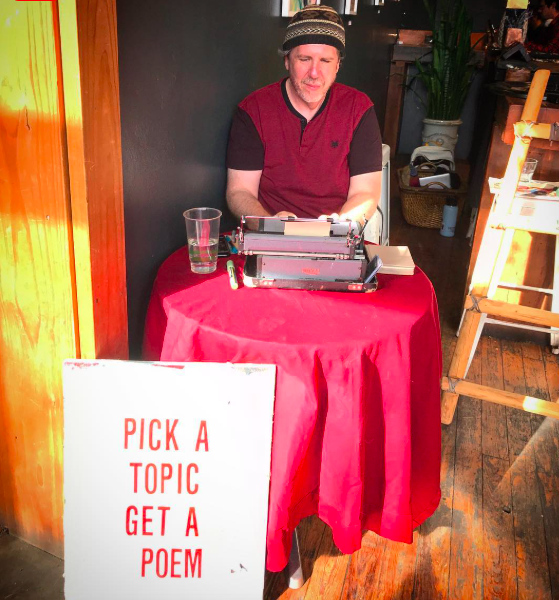
Prince, like other on-demand poets in Denver, found his way into instant poetry after writing a chapbook of original work. The trick, he said, was relying on a feeling, much like Schnurr’s captivation with imagination. “I’ve learned to have more confidence in presenting my work. I can sometimes be a chronic editor, and this does not leave that as an option. In ten minutes or so, these poems are as polished as they are going to get. I’ve also learned that I am a lot more intuitive than I had ever given myself credit for, and am constantly trying to practice trusting myself to flow with that aspect more.”
Setting up his typewriter on the sidewalk or engaging with people at events where he has been hired to write poems, Prince says the energy can be more invigorating than a solitary writing practice. “I definitely get the feeling of something spiritual, intimate, even eerily telepathic now and then, when I’m writing for someone,” he says. In need of some of the beauty Prince is able to capture, his customers will approach him with meaningful subject matter. “I’m still astounded by the intimate things that people ask me to write about: a recent cancer diagnosis, a daughter’s suicide, a dying father. I always want to do well by them since they are honoring so much by sharing these things.”
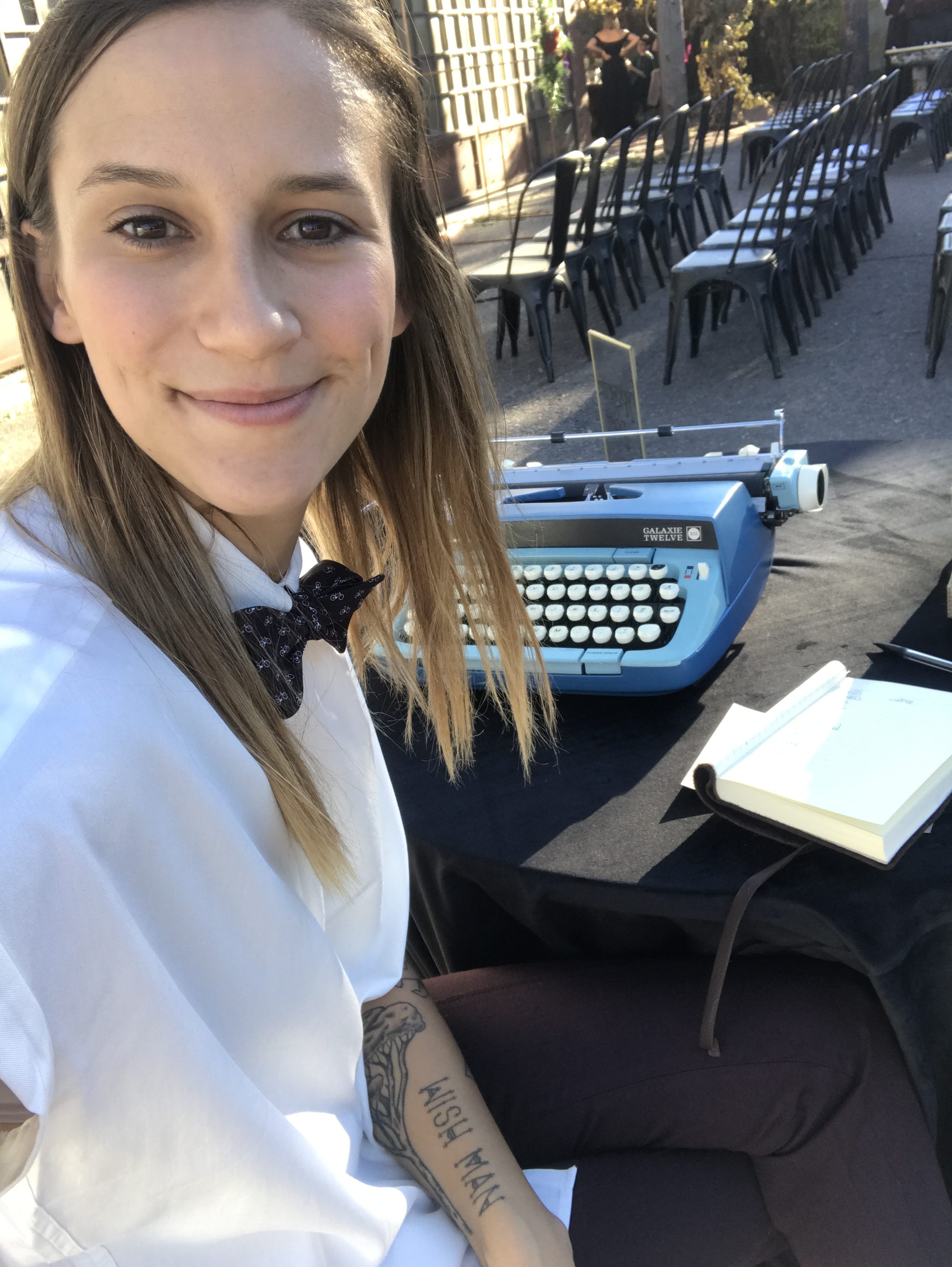
Another poet in Denver and the founder of From Whispers to Roars, R.R. Noall agrees with the feeling of intimacy. “I often describe it as an intimate experience. I’ve written poems for lost loved ones, people in love, for pets, and about general life questions and curiosities.” She says that the sense of immediate inspiration comes from her customers, people drawn to the typewriter initially, who then open up in friendly conversation. “When I’m writing with strangers, it’s because I want to get inspired, and typewriter poetry certainly does that for me.”
Noall became an on-demand poet when a wedding planner asked her if she wrote at events. “When I sit down with a typewriter in a public space, really magical collaboration happens. Typewriters are automatic trust-builders. I’ve had strangers share really intimate things with me, and I credit the typewriter. Poetry on-demand is great because I think it makes poetry feel more accessible to people. Poetry is often mischaracterized as this brooding sort of craft and paints poets as isolationists. Typewriter poetry does the exact opposite. Suddenly, you’re creating something alongside someone, and I see that magic when I’m doing it.”
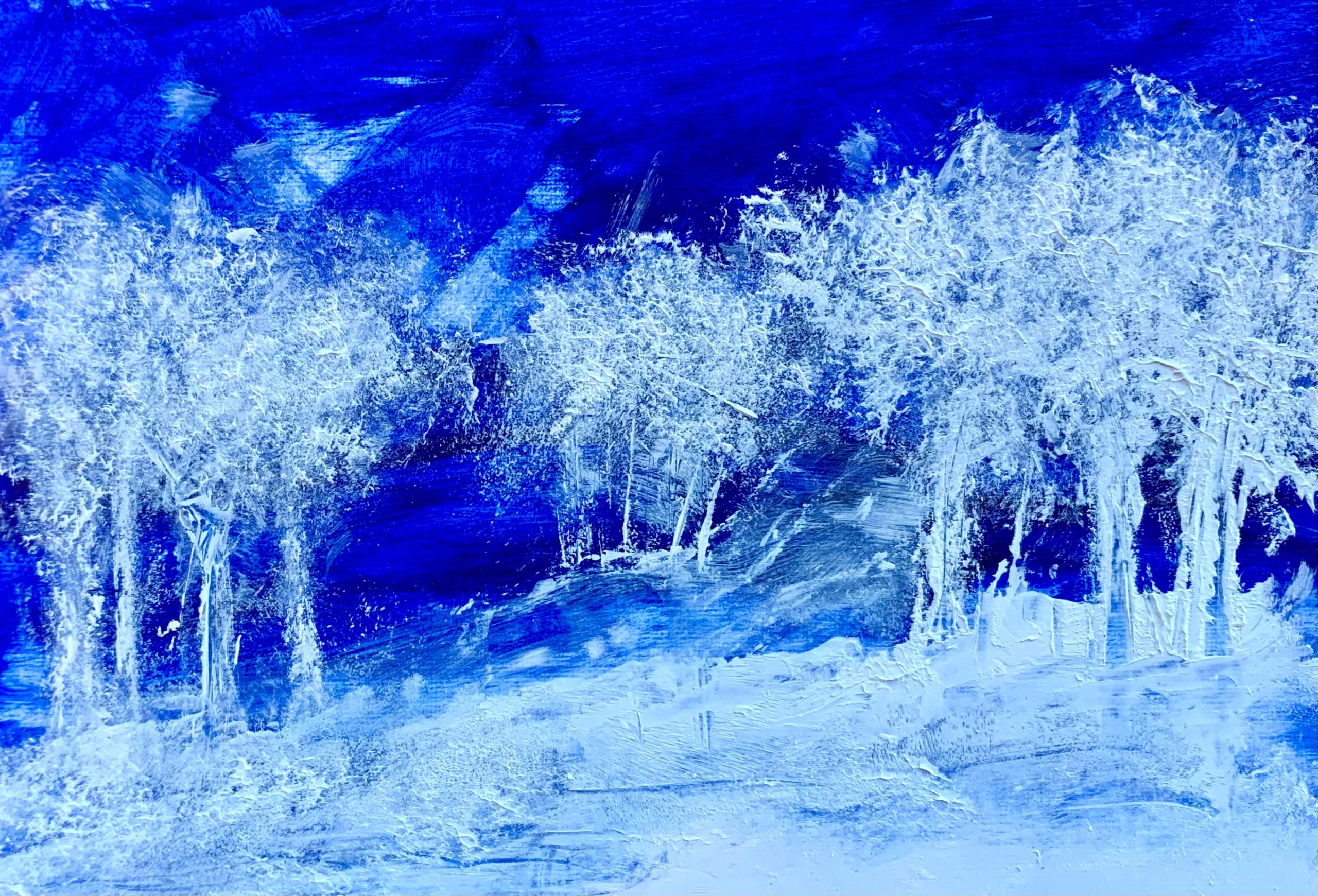
Most of us would consider art a slow labor of love that requires rumination, editing, and primarily, time. Yet aren’t the most striking moments of beauty like an instantaneous spark? Art is moving because of how it speaks to something sacred and sometimes hidden. Inspiration can just as often appear and vanish in a split second, a brief glimpse at something otherworldly, like a streak of golden light in a tree, the kindness of a stranger in the cafe, or a sense of gratitude safe in your own home.
Who better to recognize these fleeting encounters with artistic inspiration than poets? They are artists who have learned to boil enormous revelation into succinct and potent language so that we feel a poem spiritually more than we read it mechanically.
This is the gist of my conversation with Russ Schnurr, a poet living in Buena Vista, and a real purist: writing poems if purely for pleasure, he says. “I always have loved words—poetry became a neat retreat from the stress of this and that.”
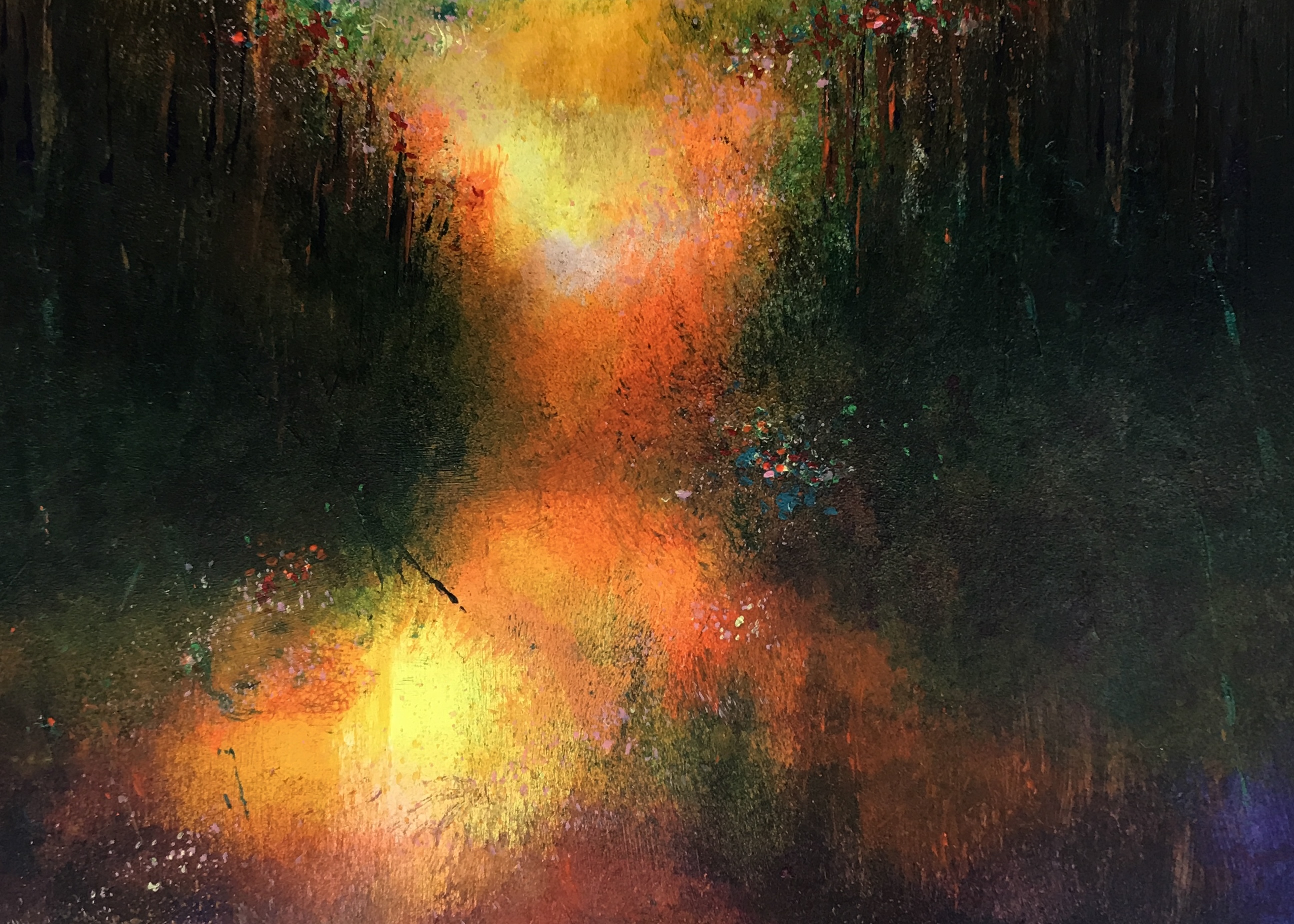
As Schnurr’s hobby grew into a focused practice, he began writing a poem a day, letting the inspiration strike, pass through him, and then rest in its original state. “Mary Oliver has a poem that says she was merely taking dictation, where the words were coming and she was trying to get them down as fast as she could. Sometimes it comes out just right. Sometimes it will be years later, and I’ll change this word or that word to make it better. But sometimes it’s pure imagination.” Carried away by this imaginative state, Schnurr also began painting these epiphanies, and often his poetry is accompanied by original artwork.
A daily practice, he shared with me, doesn’t force the hand of inspiration, necessarily; rather, it allows the writer—and the reader—to trust in the raw beauty of an instant. “The poet is given artistic license, to write, however. But this also applies to the reader, who can see a whole different meaning than what the writer meant.”
Moved to share your own inspired work but don’t want to set up a typewriter on the sidewalk? There are many poetry open-mics around the Denver area. Sign up to share your work!
