



From impressive landscapes inspiring 19th-century poets to a Beatnik generation, and everything in between, Colorado has a storied literary history. Whether your literary-mindedness is to pen your own great work or you’re simply a lover of literature, following author-related landmarks is a great way to explore our state, both on and off the page. As you map a book-inspired road trip, make sure to include these literary landmarks in Colorado—which both inspired and pay tribute to notable authors’ works—as stops along the way.
Kathy Lee Bates
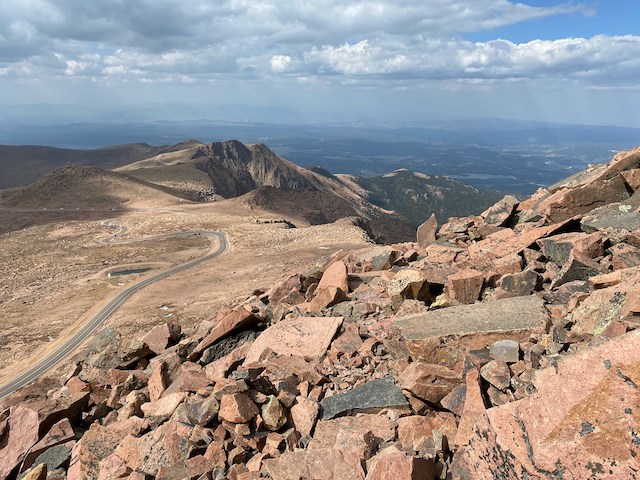
Probably one of the most well-known literary landmarks in Colorado is Pikes Peak. Chances are, if you’re touring around Colorado, you’ll add Pikes Peak to your list whether or not you know its literary history. Symbolic of the Colorado Rockies’ majesty across the state, Pikes Peak is one of Colorado’s most famous fourteeners, known as “America’s Mountain.”
Pikes Peak has likely inspired more poetry than we know, but it certainly is the topic of Kathy Lee Bates’s “America the Beautiful,” written in 1893. Rebecca Gorman O’Neill, M.F.A. professor of English at MSU Denver, writes in this literary round-up, “Bates composed the rough draft of her poem after traveling by prairie wagon and then mule to the top. She found the journey very fatiguing, but when I saw the view, I felt great joy. All the wonder of America seemed displayed there, with the sea-like expanse.’”
The Beatniks in Denver
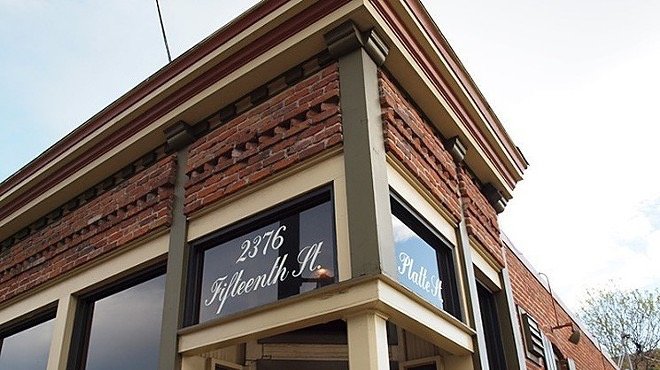
Jack Kerouac famously wrote On the Road on his journey out west, a large portion of which was spent in Colorado. He, along with other noteworthy Beat authors—Allen Ginsberg, and Neal Cassady—left marks all around the Denver metro area and beyond.
Without argument, a simple Google search places My Brother’s Bar as the top spot when it comes to Beatnik landmarks in Denver. In fact, it’s one of BuzzFeed’s 26 Literary Landmarks to Visit Before You Die. “This old-school restaurant and bar has barely changed a lick since Neal Cassady, Jack Kerouac and Allen Ginsberg ate and drank here,” says The Mile High City’s website, which includes a long list of other Beatnik stops within the city limits.
Also, be sure to add to your list the Allen Ginsberg Library in Boulder, the Central City Opera House in Central City where Kerouac journeyed for Beethoven’s Fidelio in 1947 and the gravesite of Neal Cassady in Wheat Ridge. Neal Cassady’s grave can be found in Wheat Ridge.
Clive Cussler
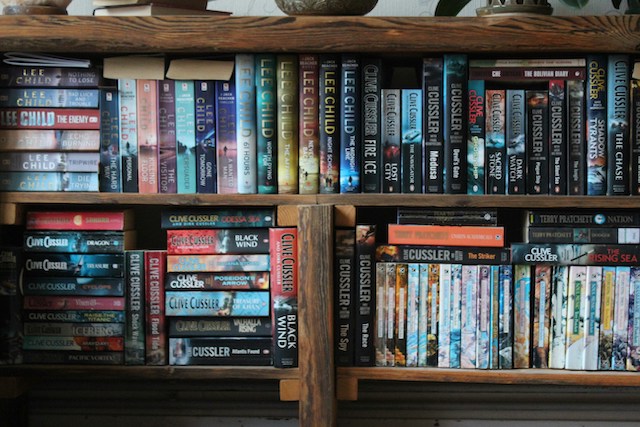
A more recent American author, Clive Cussler was known for his thriller novels full of adventure, and many of which were New York Times bestsellers. His life was equally full of adventure, with time spent in the Air Force, in advertising and as an underwater explorer, in addition to his novel writing. He split his time between Arizona and Colorado, and it’s Arvada, Colorado that became home to another one of his adventurous pastimes: classic automobiles. The Cussler Museum houses more than 100 of his classic cars, all connected to various memories in Cussler’s life.
John Denver
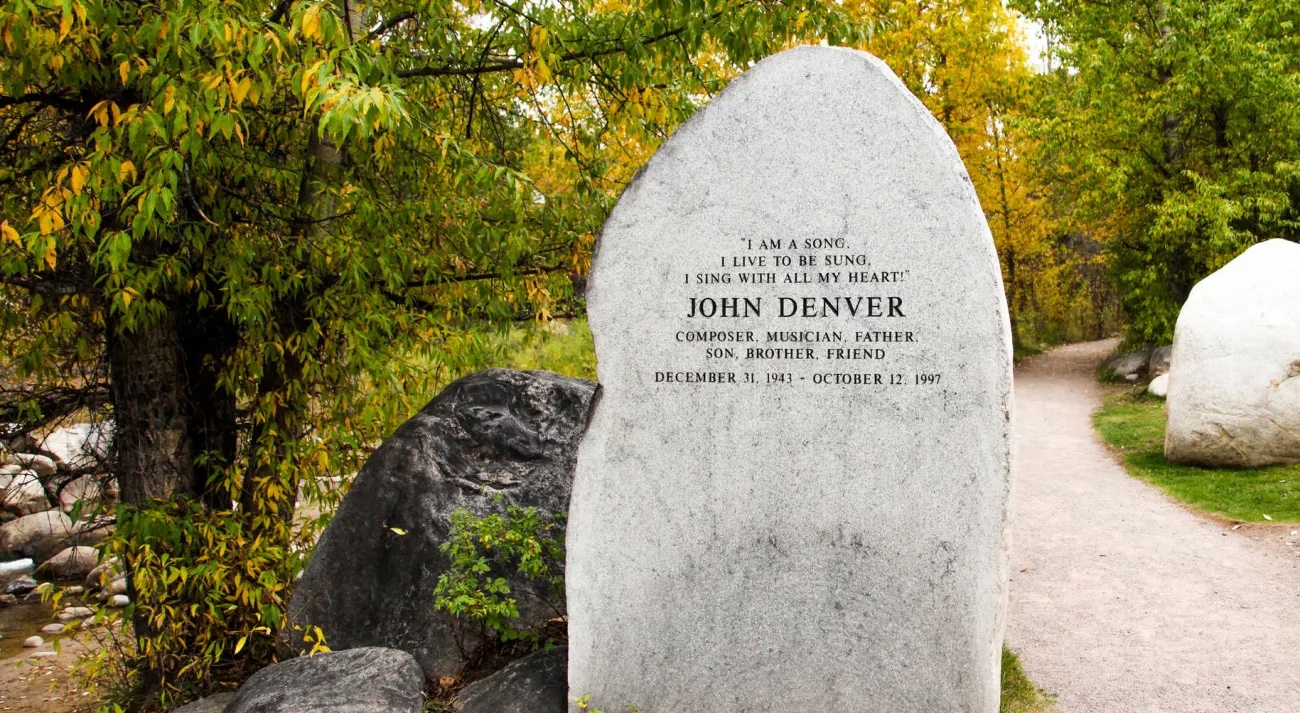
When John Denver wrote, “he climbed cathedral mountains/he saw silver clouds below/he saw everything as far as you can see,” it’s easy to assume our beloved mountains were his inspiration. The writer of “Rocky Mountain High” has a more rooted literary connection to Colorado than just being inspired by the mountains. In 1974, he was adopted as state poet laureate, shortly after he moved to Colorado in 1970. He settled in the Snowmass area, and his legacy is etched in stone in an Aspen park known as the John Denver Sanctuary, where there is also a stage for Theater Aspen.
Stephen King
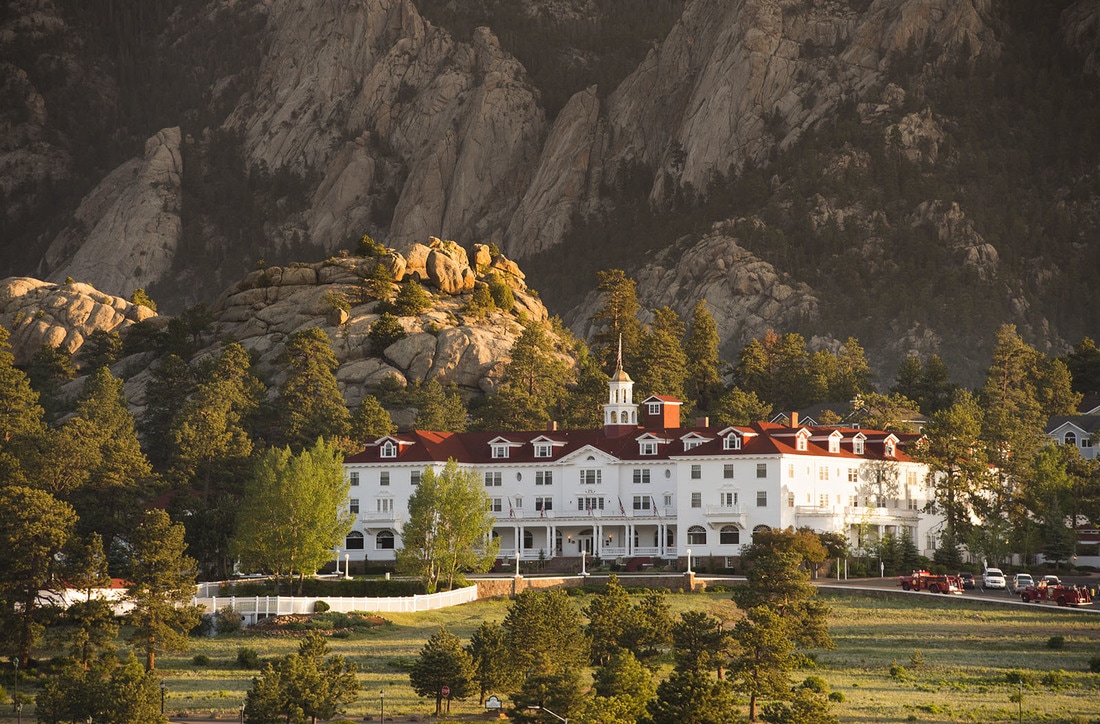
Sure, “The Shining” was filmed in Estes Park, but Stephen King himself was inspired to write the book after staying at the iconic Stanley Hotel in 1977 and suffering a nightmare, the hotel hallway as the setting. Constructed in 1909, the Stanley Hotel feels like a piece of history in itself, but hotel staff delight in the appeal of its haunted reputation and play along accordingly. You can even stay in the same room as Stephen King—Room 217—and see the artifacts that inspired his chilling novel and Stanley Kubrick’s film adaptation to follow.
Louis L’Amour
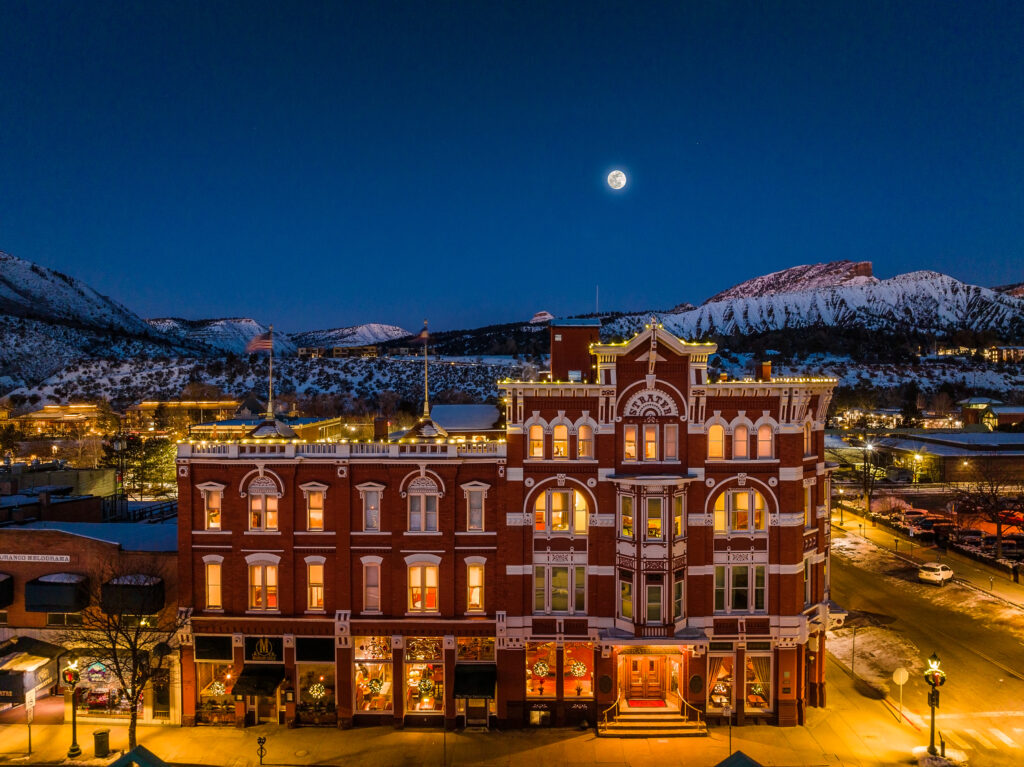
Louis L’Amour was a Western novelist and short story author of more than 100 books. Over the course of his career, he was known to frequent the gorgeous Strater Hotel in Durango. The hotel lobby at this literary landmark in Colorado serves as a sort of living museum of “old west times”, a perfect fit and possibly inspiration for some of L’Amour’s work. He spent every August for ten years in Room 222, just above the Diamond Belle Saloon, to write. The room was named a national literary landmark in 2012.
Hunter S. Thompson
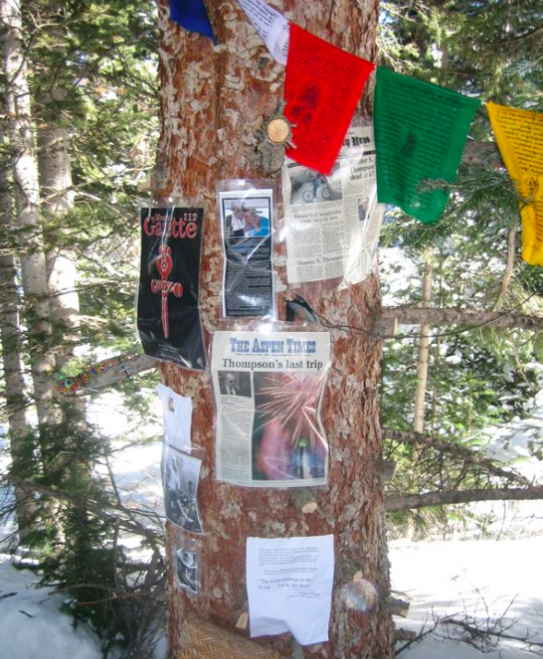
One of Colorado’s most colorful authors surely was American journalist Hunter S. Thompson, who was a known Aspen local before he died by suicide in 2005. Known as the creator of Gonzo journalism, work created without a claim of objectivity, and the author of Fear and Loathing in Las Vegas, among other books, his style of “lived-in” reporting and countercultural takes established him as a controversial, but incredibly well-known author.
Aside from his writings, Thompson was known to abuse alcohol and illegal drugs (he fought for recreational legalization), was a lover of firearms, and was arrested more than once before his death in Aspen. His cult following around the globe localized with a shrine in the forests of Snowmass, well-chronicled by David C. Wood, author of Sanctuaries in the Snow. Unfortunately, the Hunter S. Thompson shrine was one of several removed by ski patrol in 2021, but the area still holds the spirit of his residence there.
Oscar Wilde
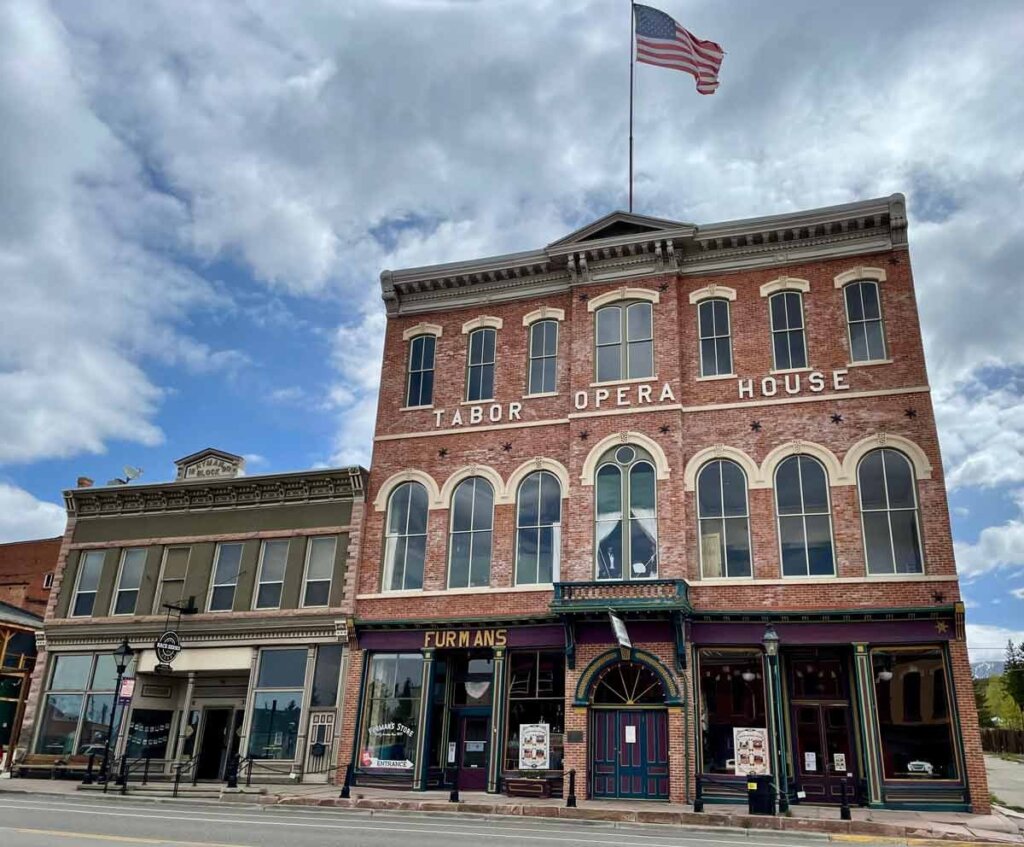
Built in 1879, the Tabor Opera House opened its doors and stage to many luminary acts and guests. One such guest, the famed Oscar Wilde, was on tour through Denver and Leadville in April 1882 as a guest of lieutenant governor and “silver king” Horace Tabor.
Of his visit, Gloria Eastman, Ph.D., professor of English at MSU Denver writes, “While in Leadville, he lectured on “The Decorative Arts” to a packed house of miners who had paid $1.25 for reserved seats at the Tabor Opera House. Taking the stage in satin breeches and a velvet coat with lace trim, the 6-foot-3-inch Wilde usually clutched a long-stemmed white lily as he discussed Renaissance art. Wilde later claimed that he had preserved his aesthetic elegance when being lowered in a bucket into the Matchless Mine to dine with 12 miners.”
Discover more literary landmarks in Colorado with Author Adventures, Literary Colorado.
[give_form id="772002"]