



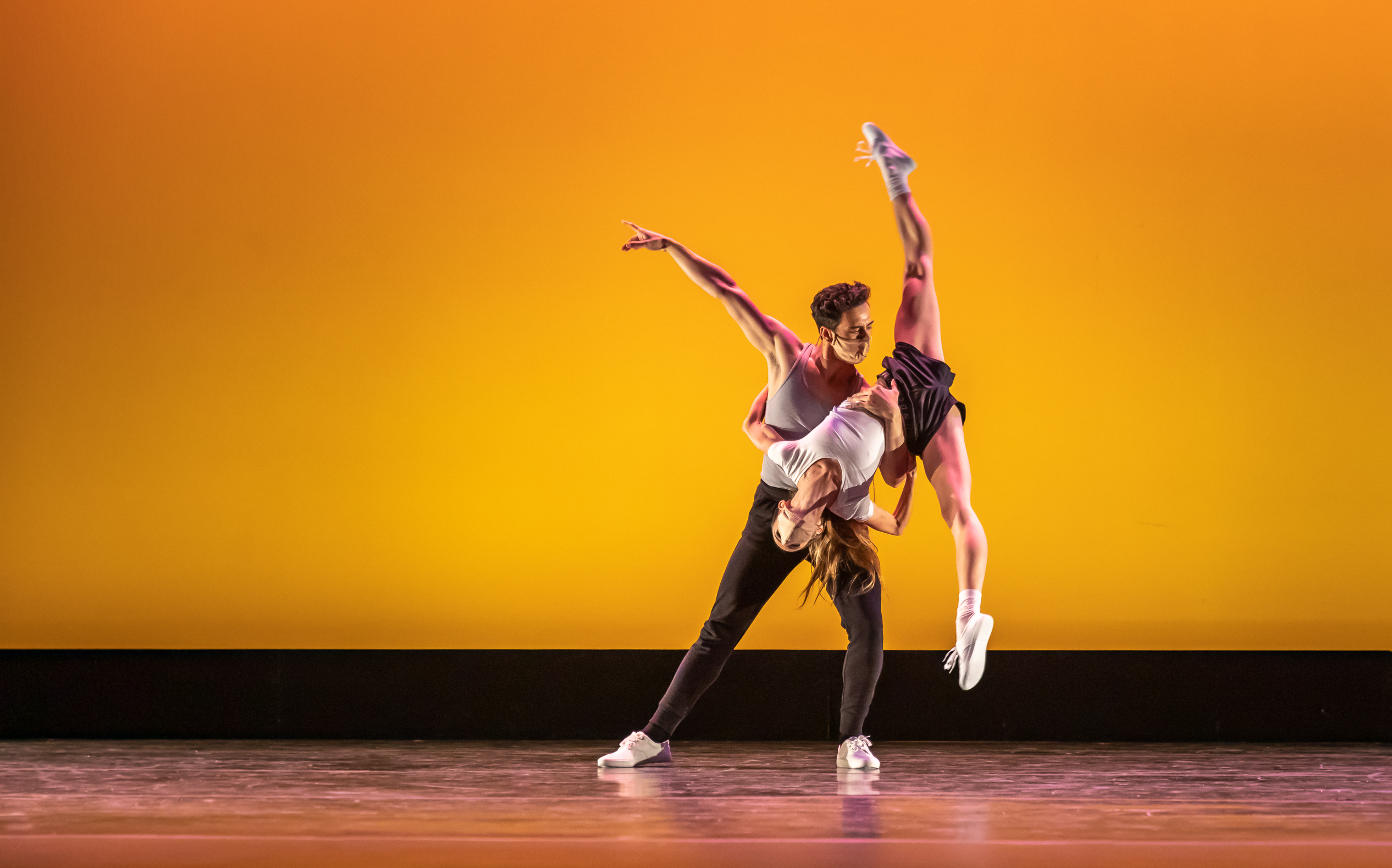
When looking at the industries hit the hardest by COVID-19, performing arts top the list. Unlike others that were able to go virtually with relative ease, the magic of the performing arts rests in its innate need for human contact, bringing together audience members and performers alike. Colorado Ballet, the state’s own beloved company blending classical and contemporary styles, is no exception. Earlier this year, a published analysis on COVID-19’s impacts on arts and culture stated that, “By their very nature, many of the constituent parts of the creative economy necessitate the congregation of large groups of unrelated people, often in close proximity.”
The report also stated that 54% of all dancers were unemployed in the third quarter of 2020 versus 10.7% in 2019. Overall, revenue from non-profit performing arts companies has declined 54% from “an all-time high of approximately $1.9 billion in 2019.”
Colorado Ballet Persists
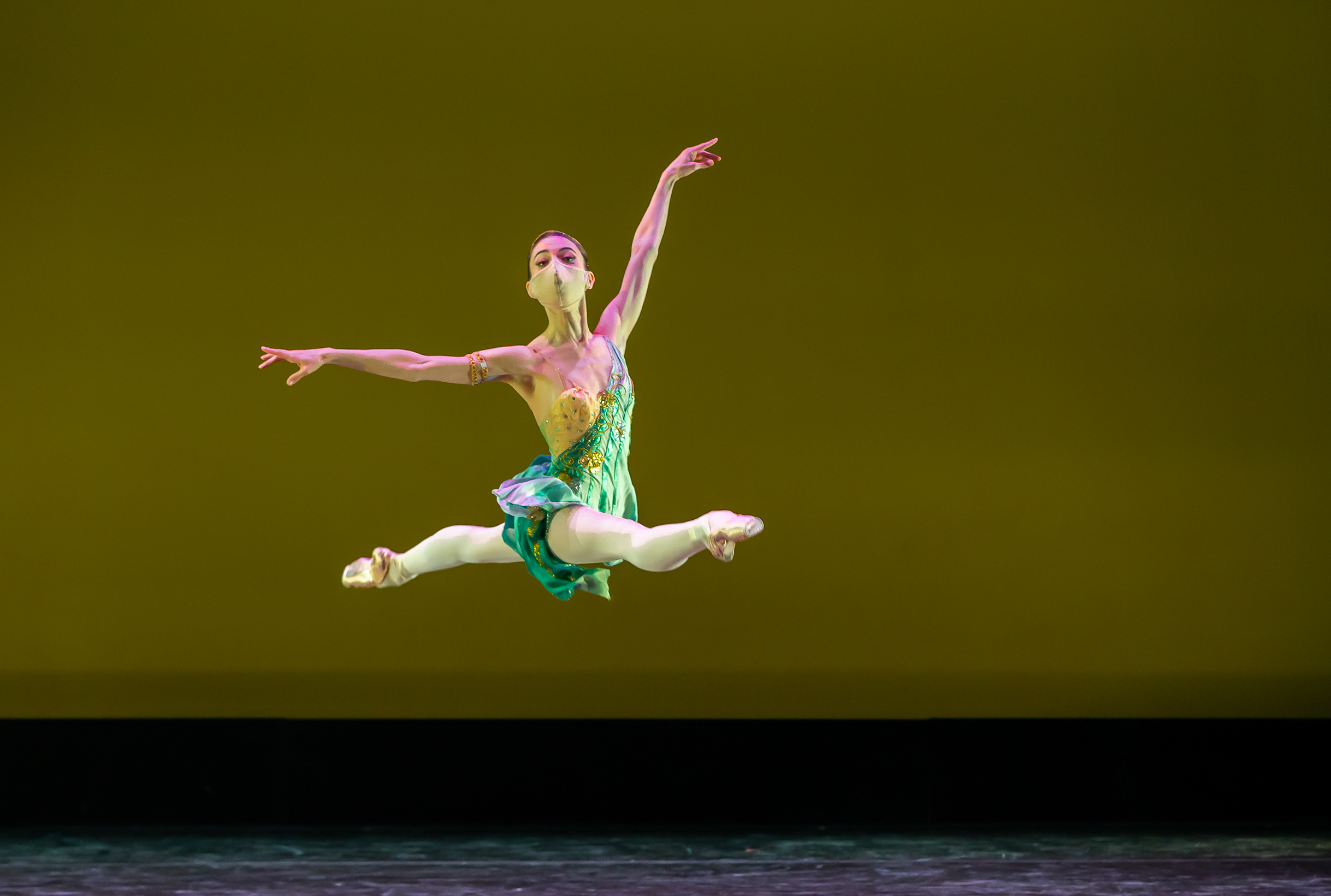
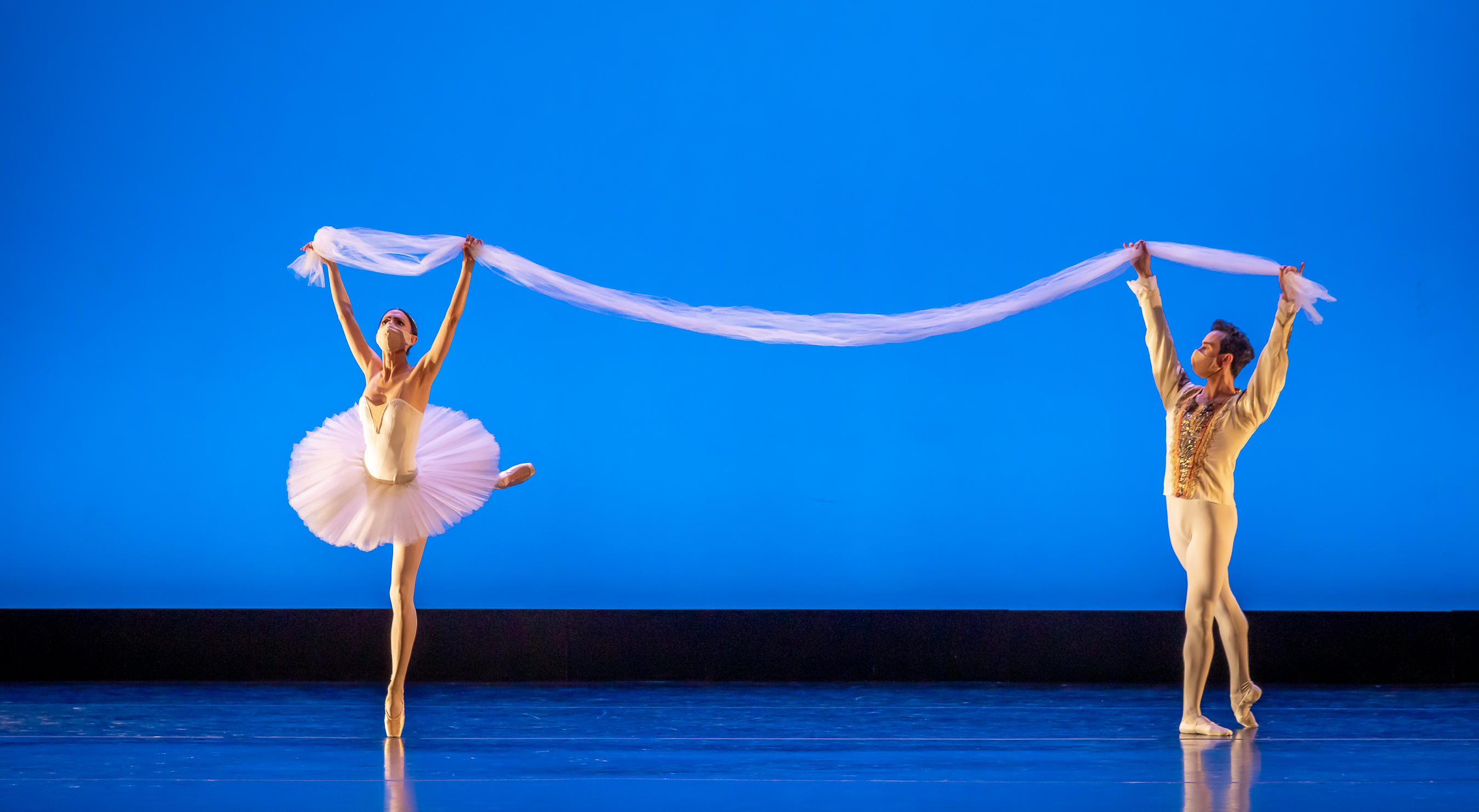
Gil Boggs, artistic director of Colorado Ballet, knows all too well the struggle of staying afloat during a pandemic. After adjusting to learning Giselle — a full-length classical ballet that’s also Bogg’s favorite — on Zoom, they were finally allowed to bring dancers back into the studio in January of 2021 for masked rehearsal in pods. “We were actually able to do a live performance at Lone Tree Art Center to finish off our season,” said Boggs. “We got at least one performance in for them but still the way I look at it, these dancers lost a year of their career. It was devastating.” The Lone Tree show was performed for a socially distanced audience and live-streamed for virtual consumption. They also produced several other virtual pieces that are still available to watch on their website.
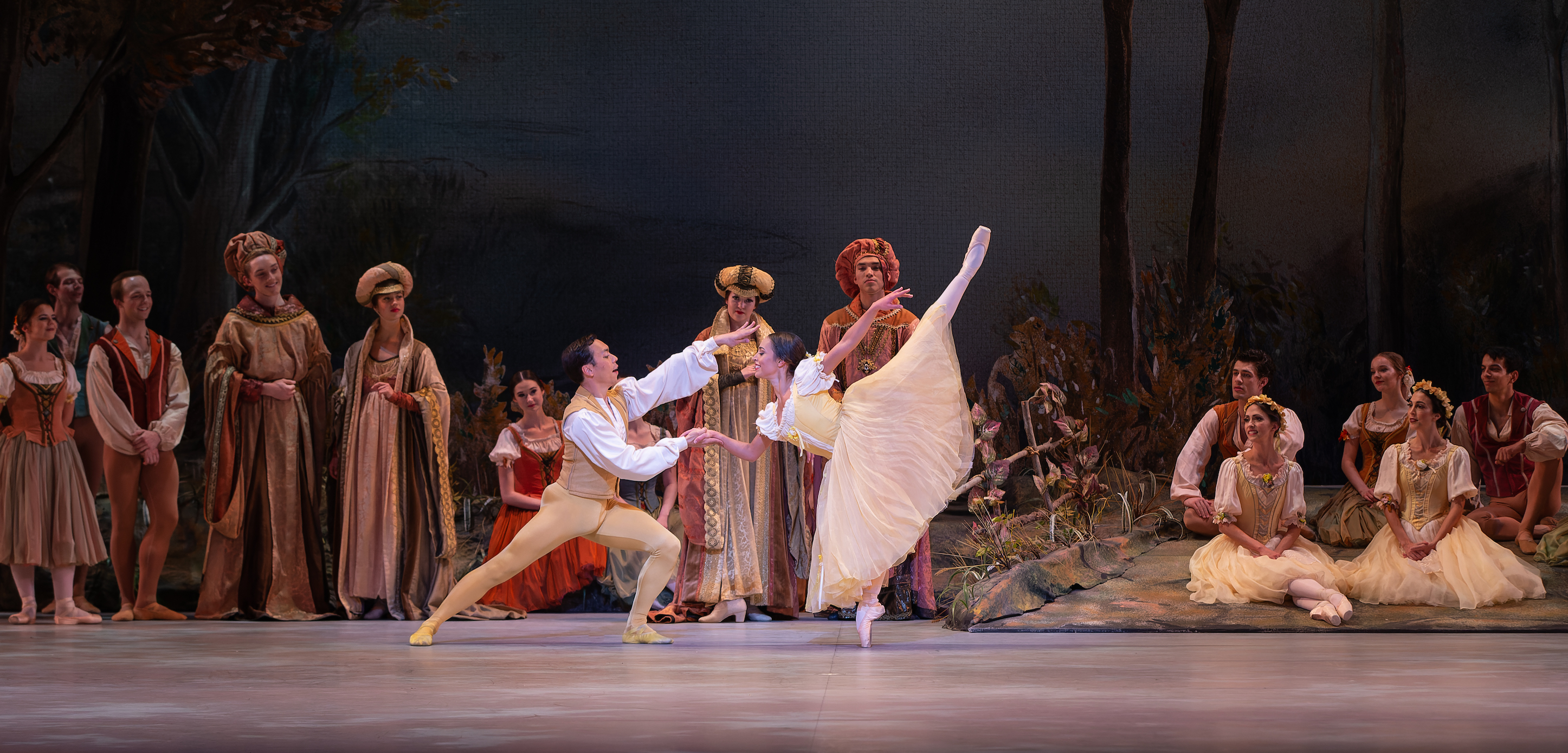
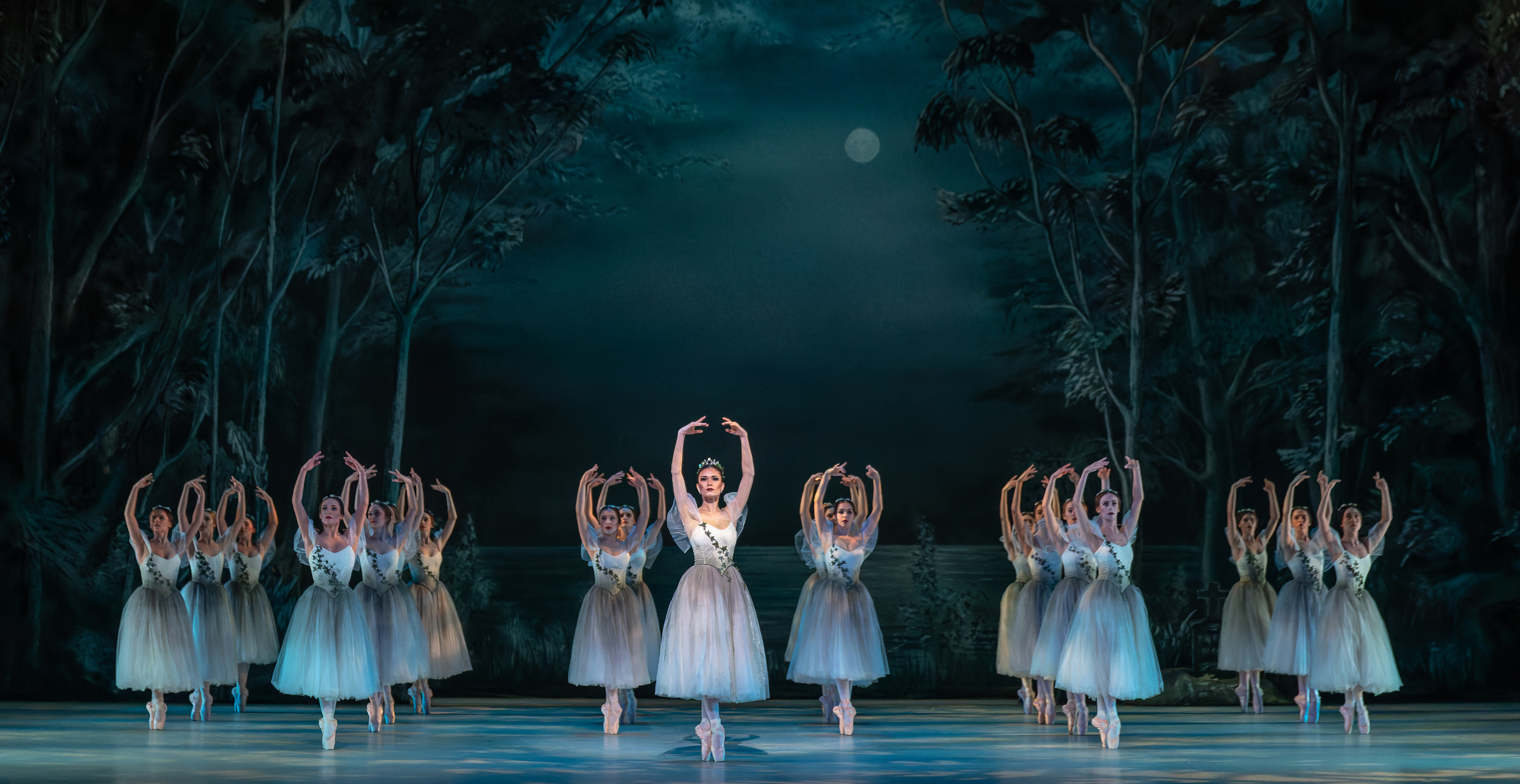
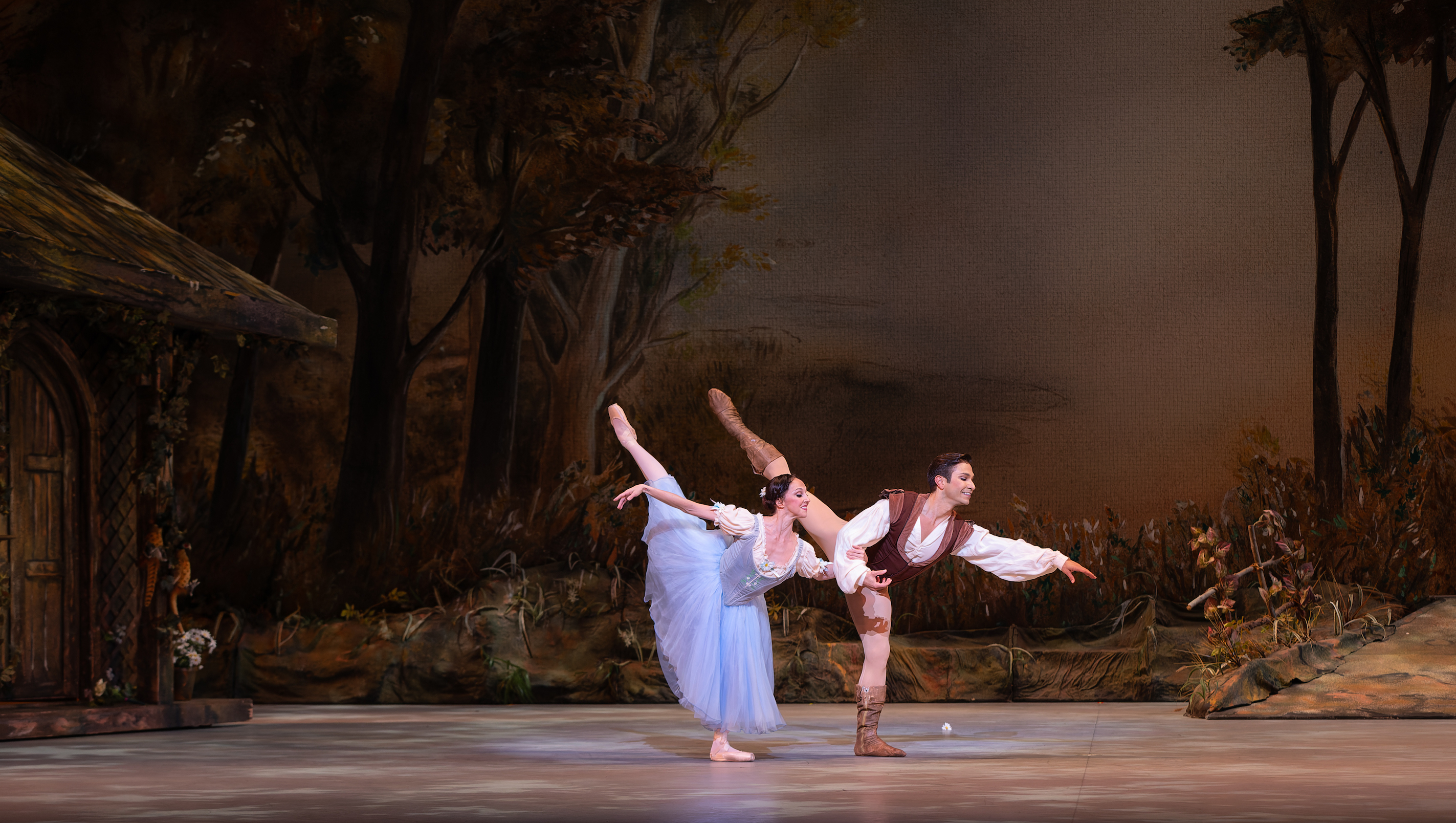
Colorado Ballet is finally ready to come back for fully in-person performance. They wrapped up Giselle on October 17th; here’s what the rest of their 2021-2022 season has to offer:
Nutcracker: November 27-December 24
The holiday season isn’t complete without this festive celebration of opulence, whimsy and imagination. Boggs is especially excited that they used the pandemic down-time to build brand new Nutcracker sets and costumes. “Our old ones were built in 1986, so we’re very excited to debut this new look for the company,” he said. Colorado Ballet sells this show out every year.
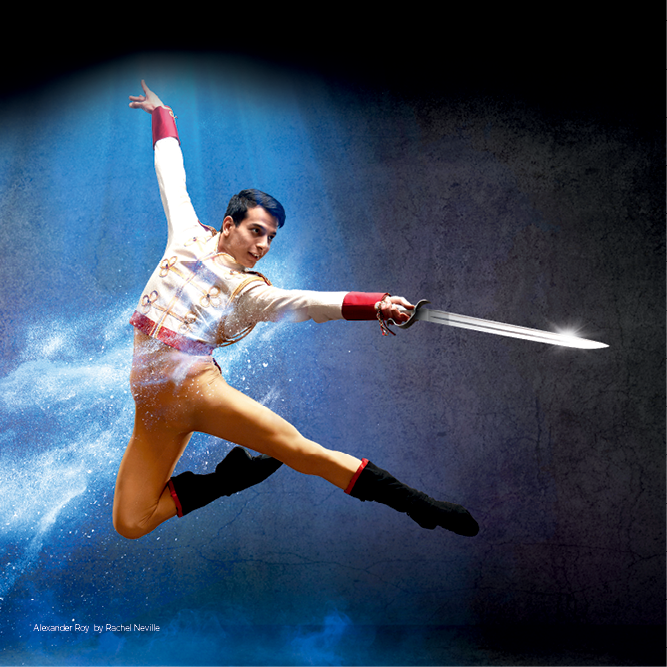
Romeo and Juliet: February 4-13
“It’s just a stunning ballet,” said Boggs. “It’s three acts and takes a lot of people. It was almost too big for us but we pulled it off last time, we’ll pull it off again.” Based off of the Shakespeare play, Romeo and Juliet was originally composed in 1935 and premiered in 1940 in the Soviet Union.
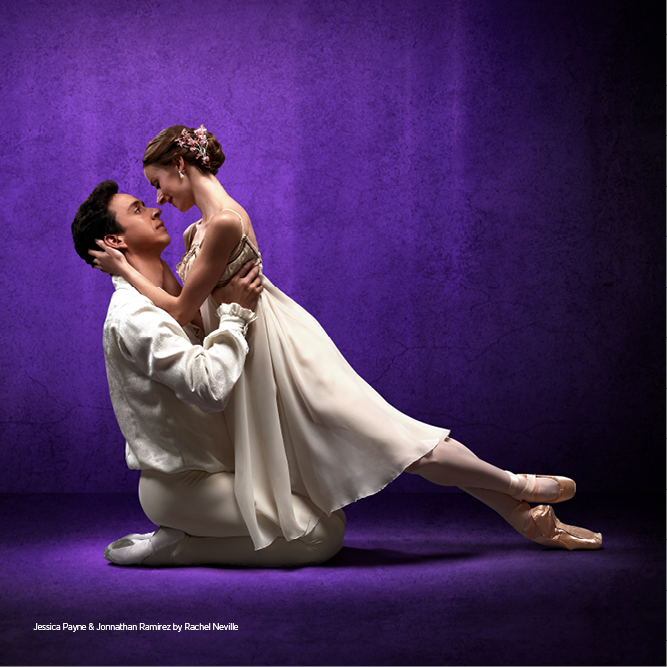
The Wizard of Oz: March 11-20
The Wizard of Oz was a collaboration between the Colorado, Kansas City and Royal Winnepeg Ballets. Choreographed by Hong Kong Ballet director Septime Webre, this fresh take on the classic story by L. Frank Baum features Dorothy in glittery red pointe shoes — a homage to the movie. The ballet also includes flying monkeys, dancing poppies and an onstage tornado.

Ballet Masterworks: April 15-24
Boggs calls these repertory pieces “the dancer’s bucket list — or the ballets they’d always loved to dance.” The program consists of George Balanchine’s Theme and Variations, Jiří Kylián’s Petite Mort and Twyla Tharp’s Nine Sinatra Songs. These masterpieces are regarded as being highly influential within the world of contemporary and innovative choreography.
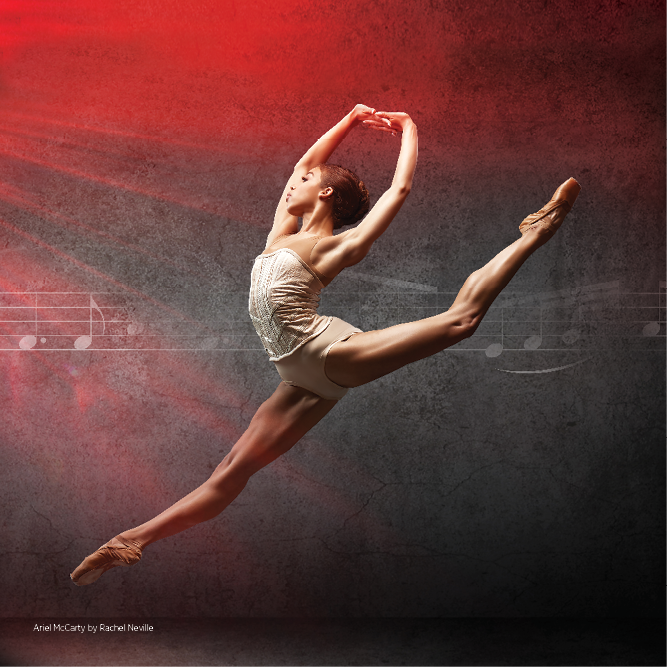
Find out more about the 2021-2022 season on Colorado Ballet’s website and Instagram page. Please take special care to adhere to COVID-19 guidelines when attending indoor, high-density events.
[give_form id="772002"]